Newsletter — Stanford Archaeology Center

Acting with nature — prehistory

My new book Archaeologies of Nature: Activating the Archive, written with Gabriella Giannachi, University of Exeter and Turin, is now complete and in production. Open Access — it will be available as PDF in June 2026.

We use an archaeology of artworks to probe human relationships with the environment — how people have got on with nature from then to now, and beyond. We examine how the concept of nature has been imagined, performed, and transformed in artworks across eight millennia. Rather than presenting a linear history, the book unfolds as an archaeology — an excavation of artworks as strata of environmental imagination. The book explores ways that one might connect with the environment in our contemporary times of precarious climate breakdown and runaway extraction of natural resources.

We begin with prehistory, not as a remote “before” but as a persistent, resonant layer of the present — a concept that unsettles the conventional divide between nature and culture, and offers a genealogical complement or alternative to historiographical accounts of “what happened in history”. 

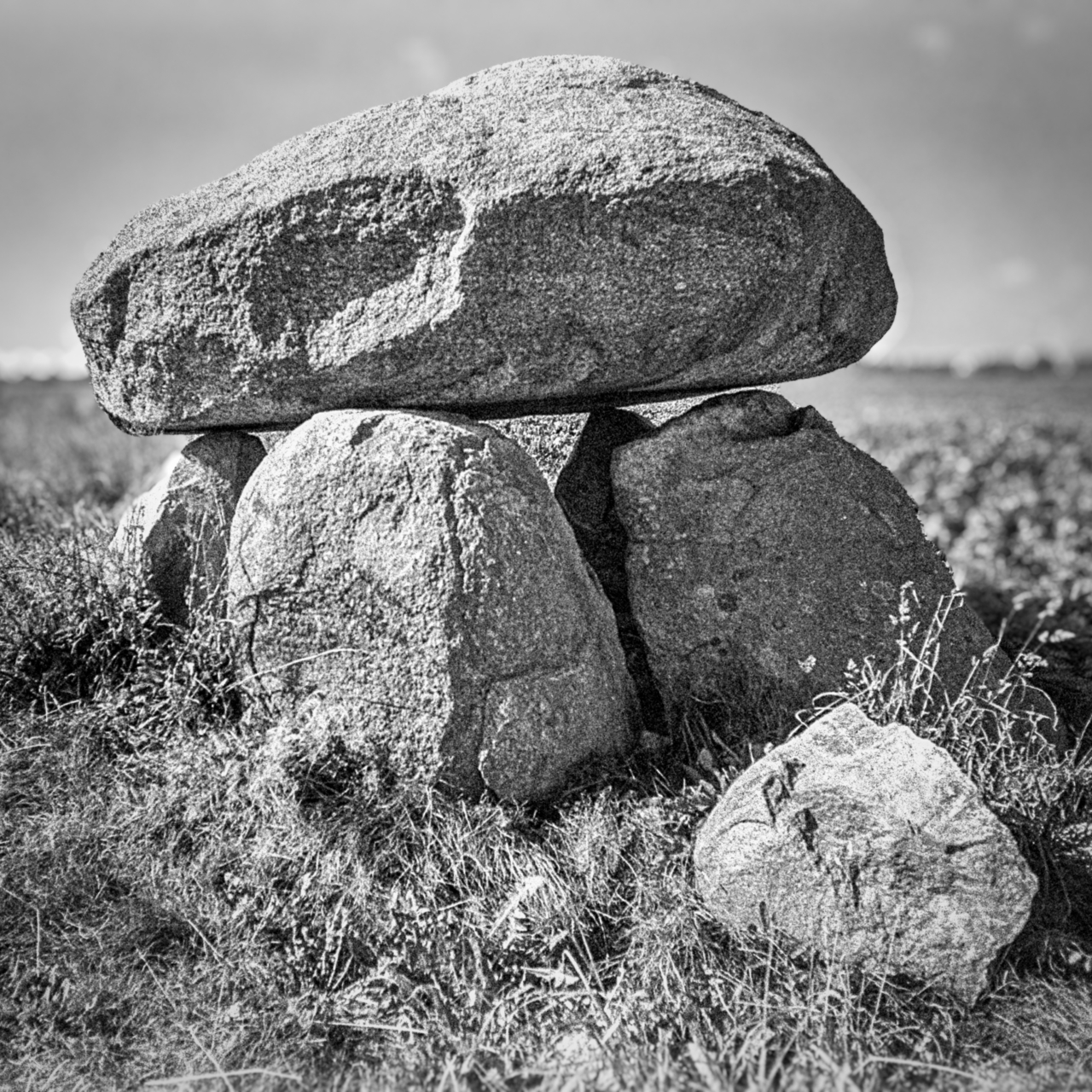
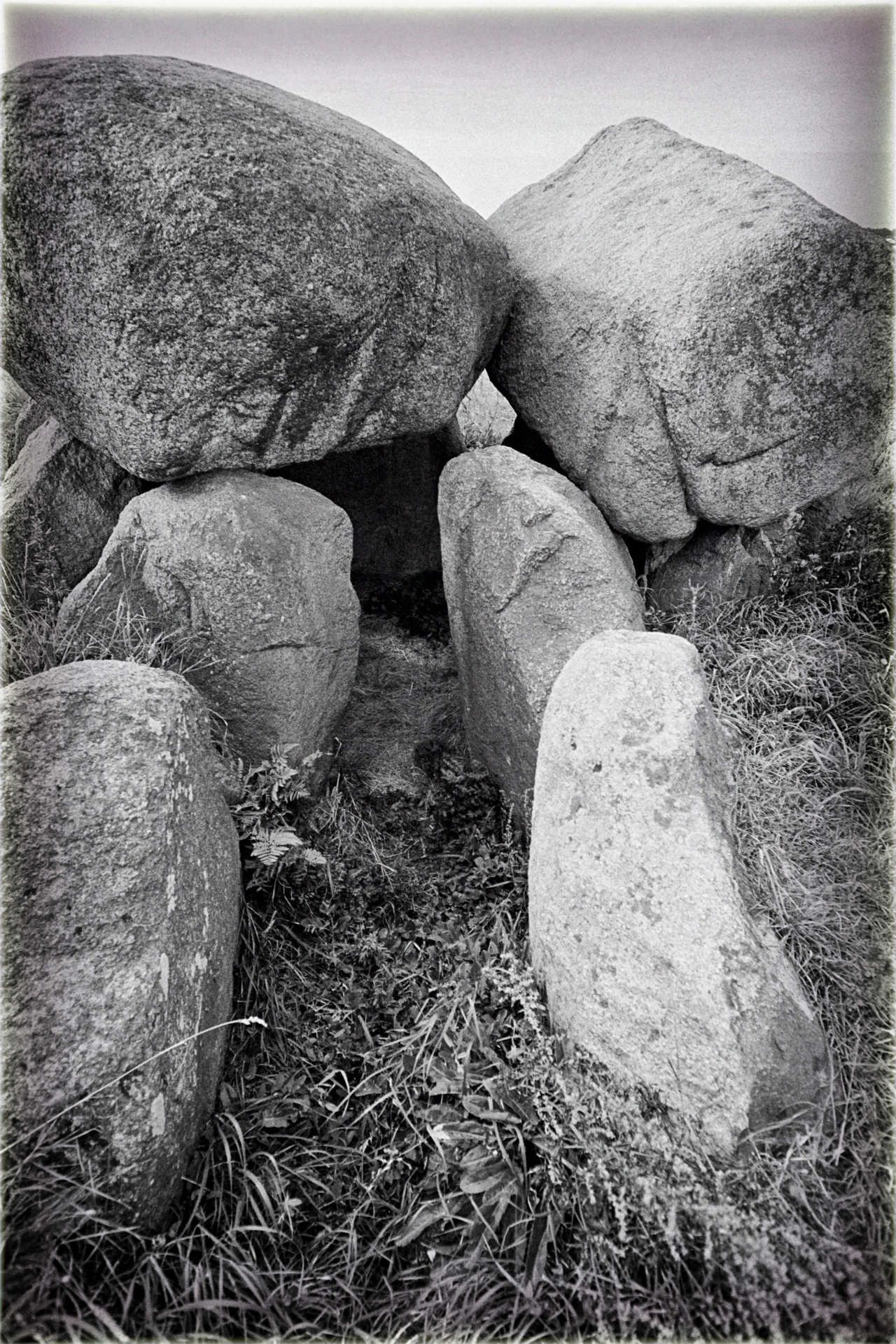
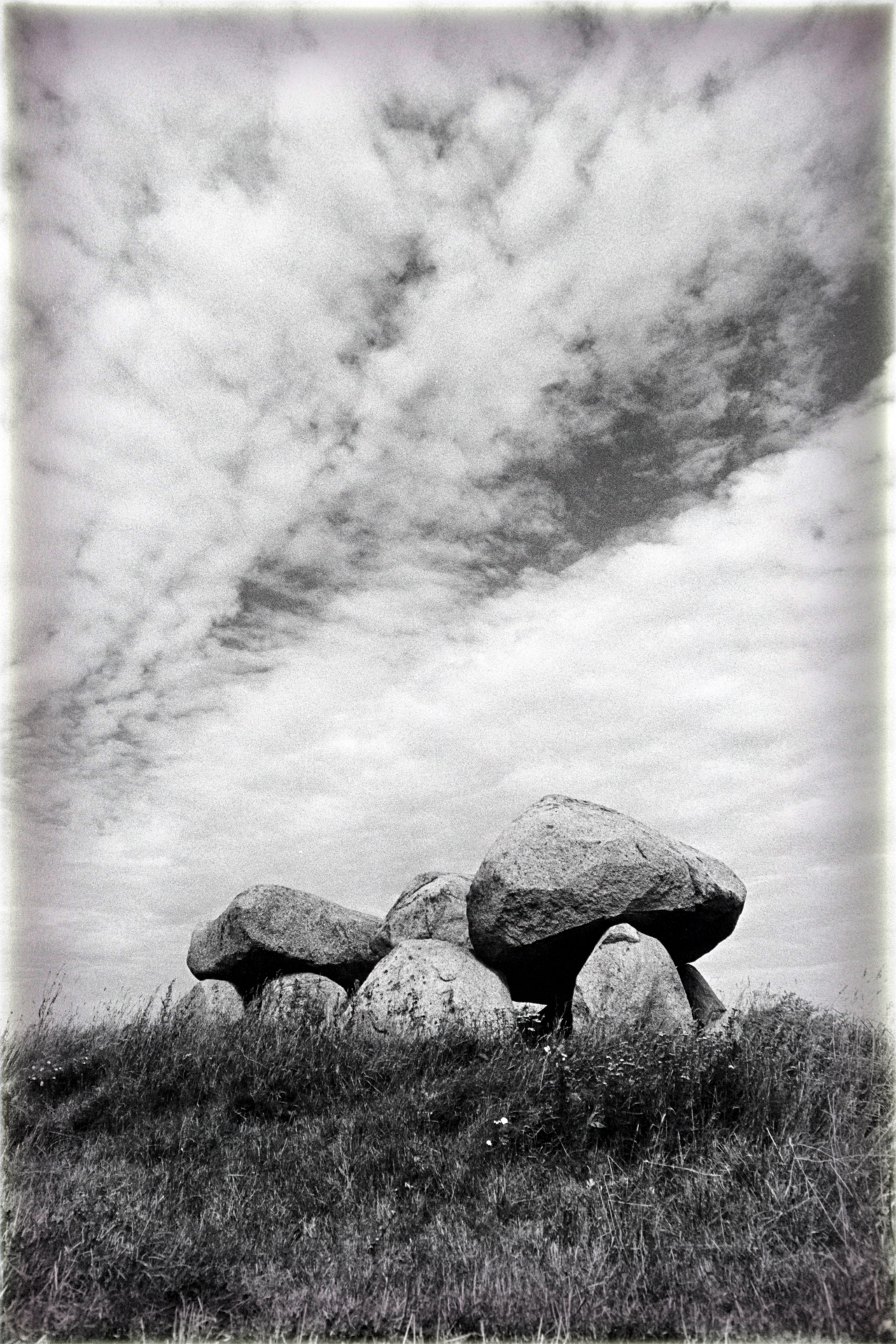
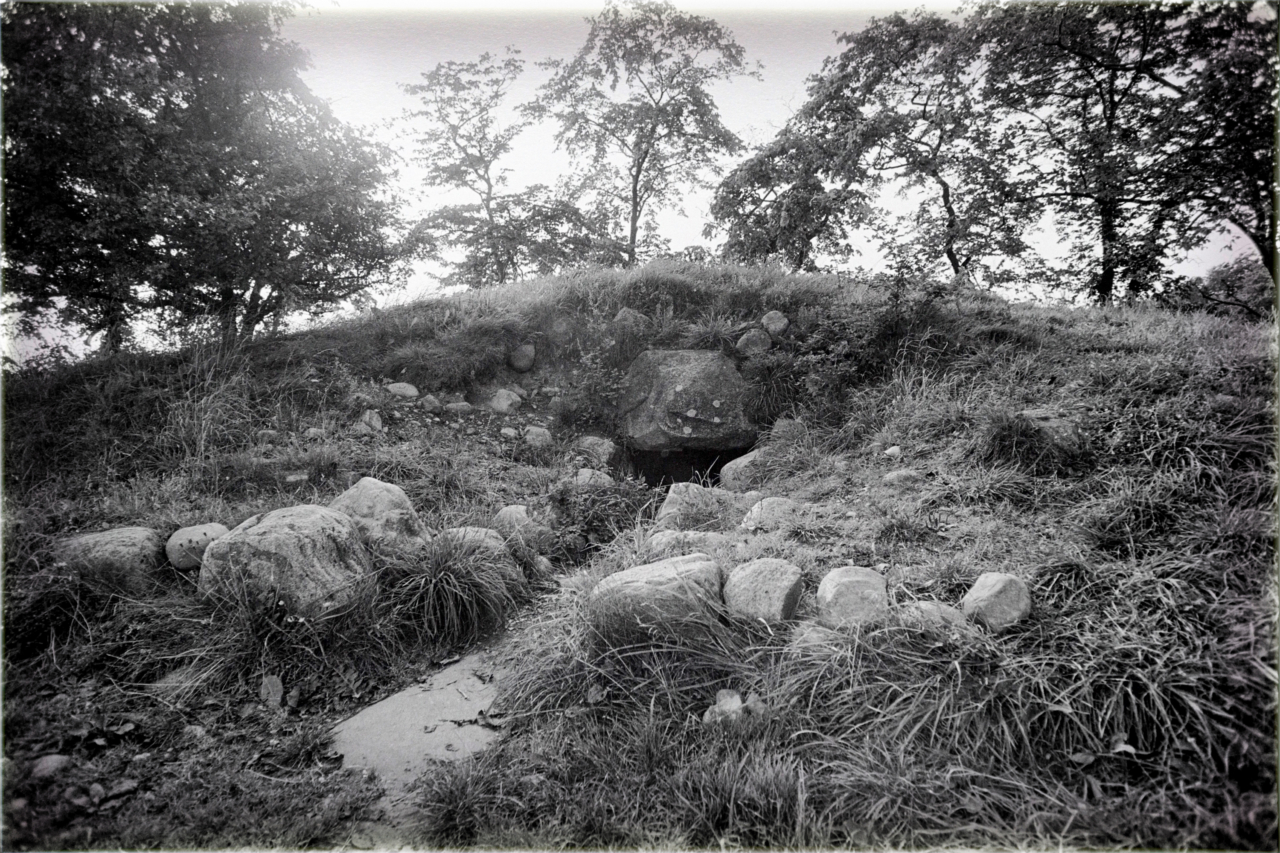
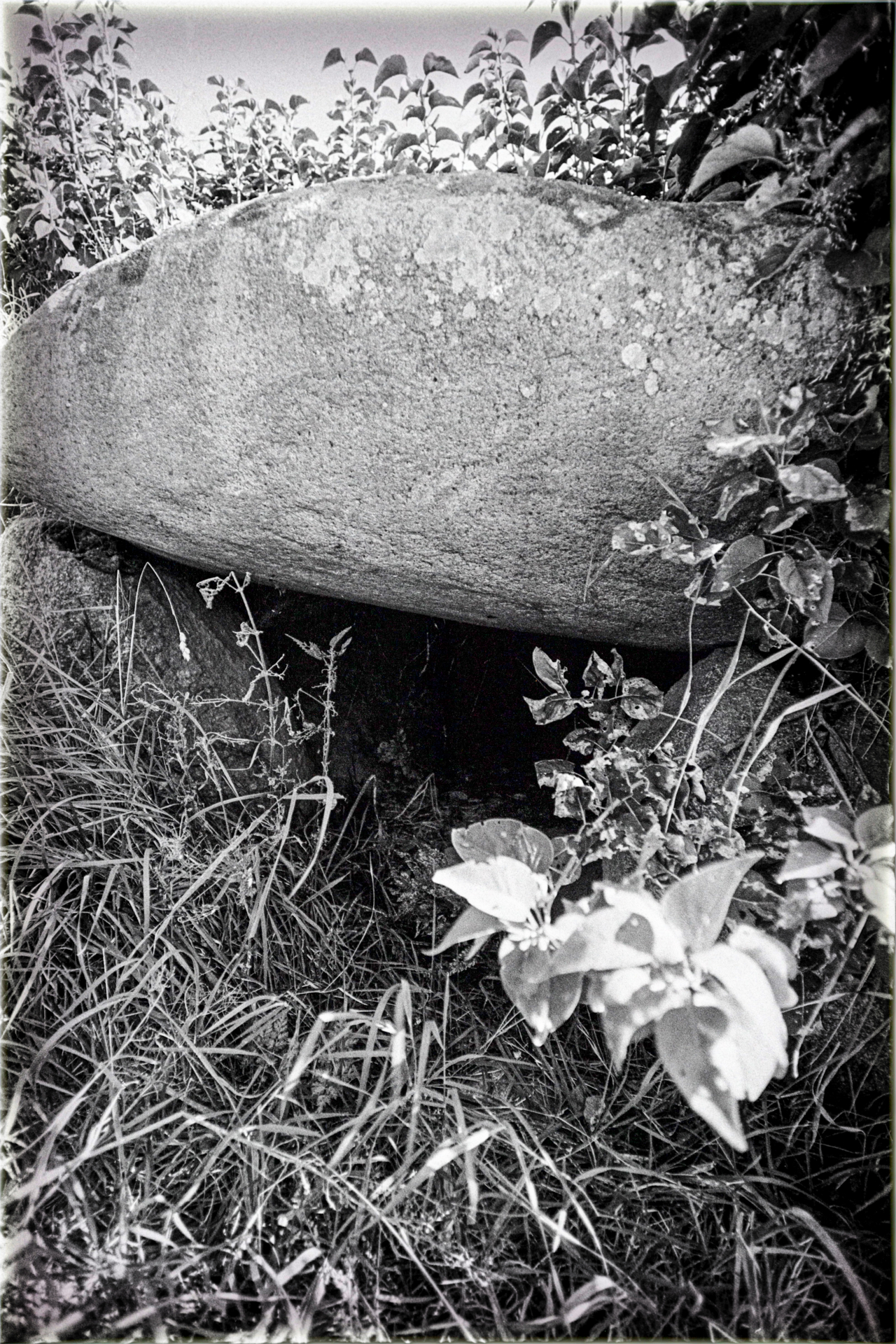
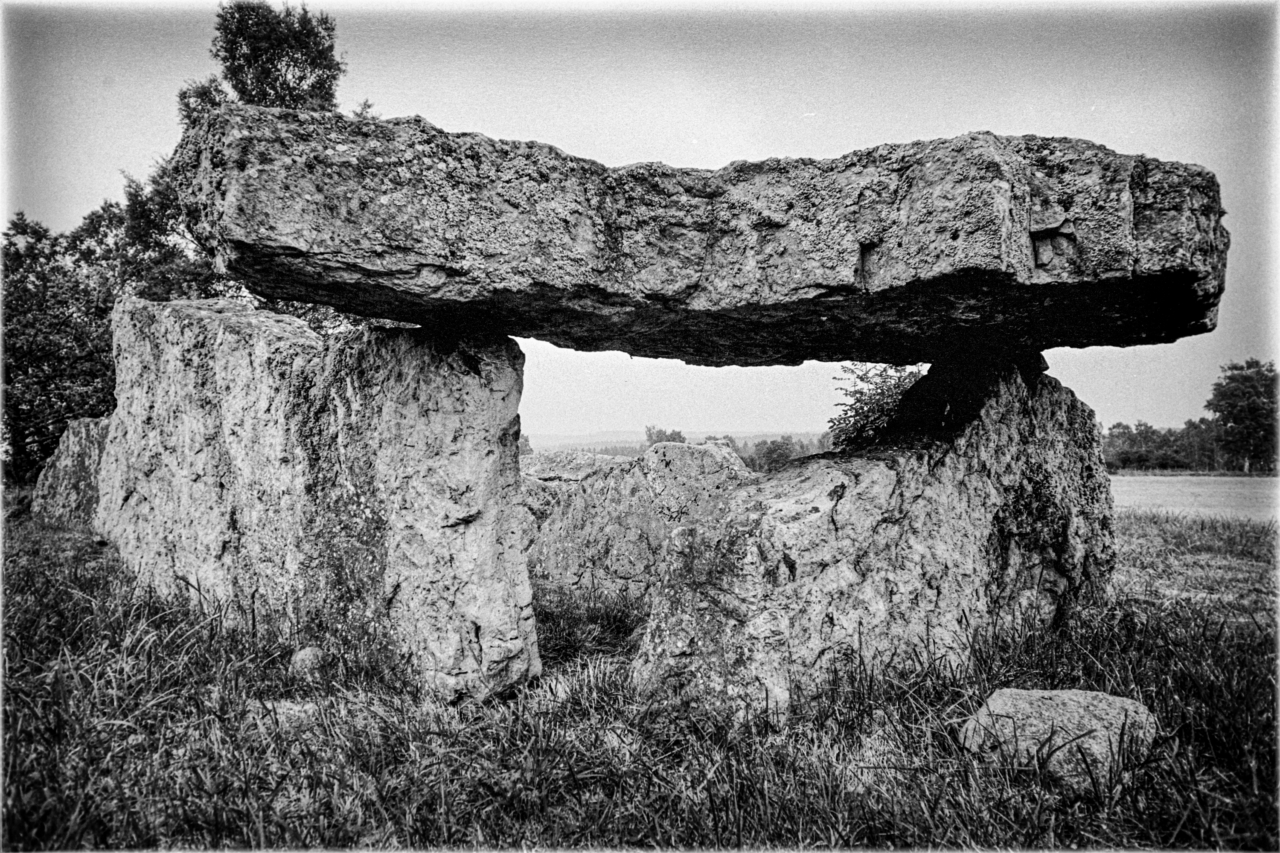
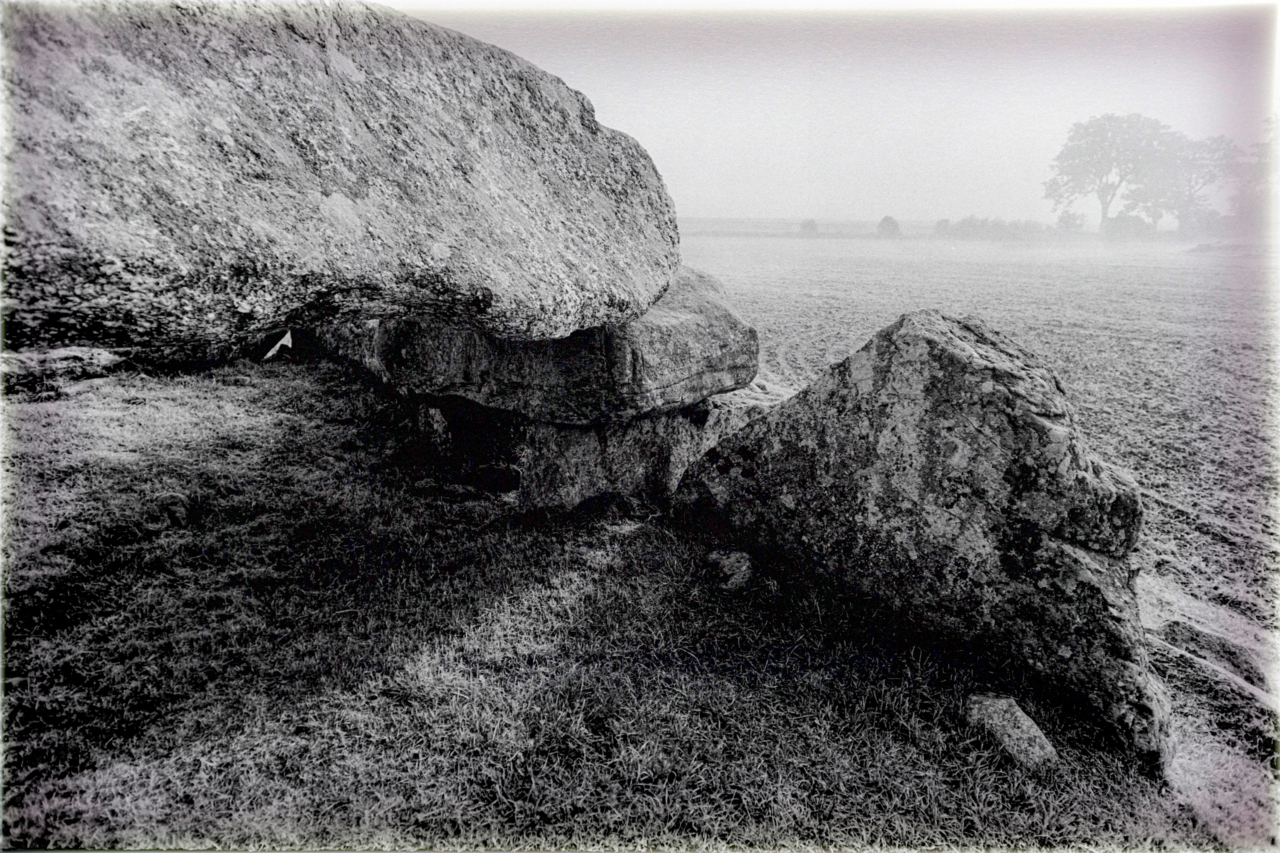
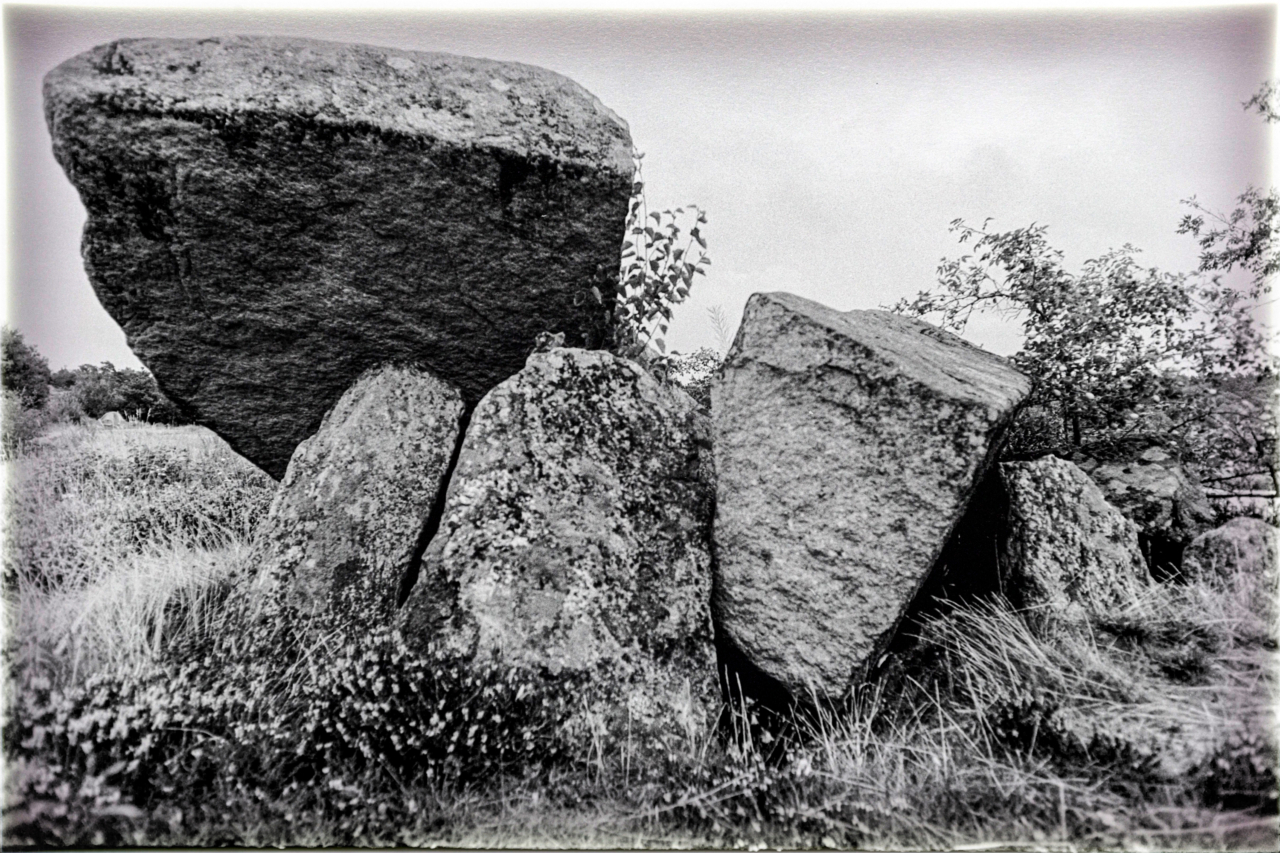
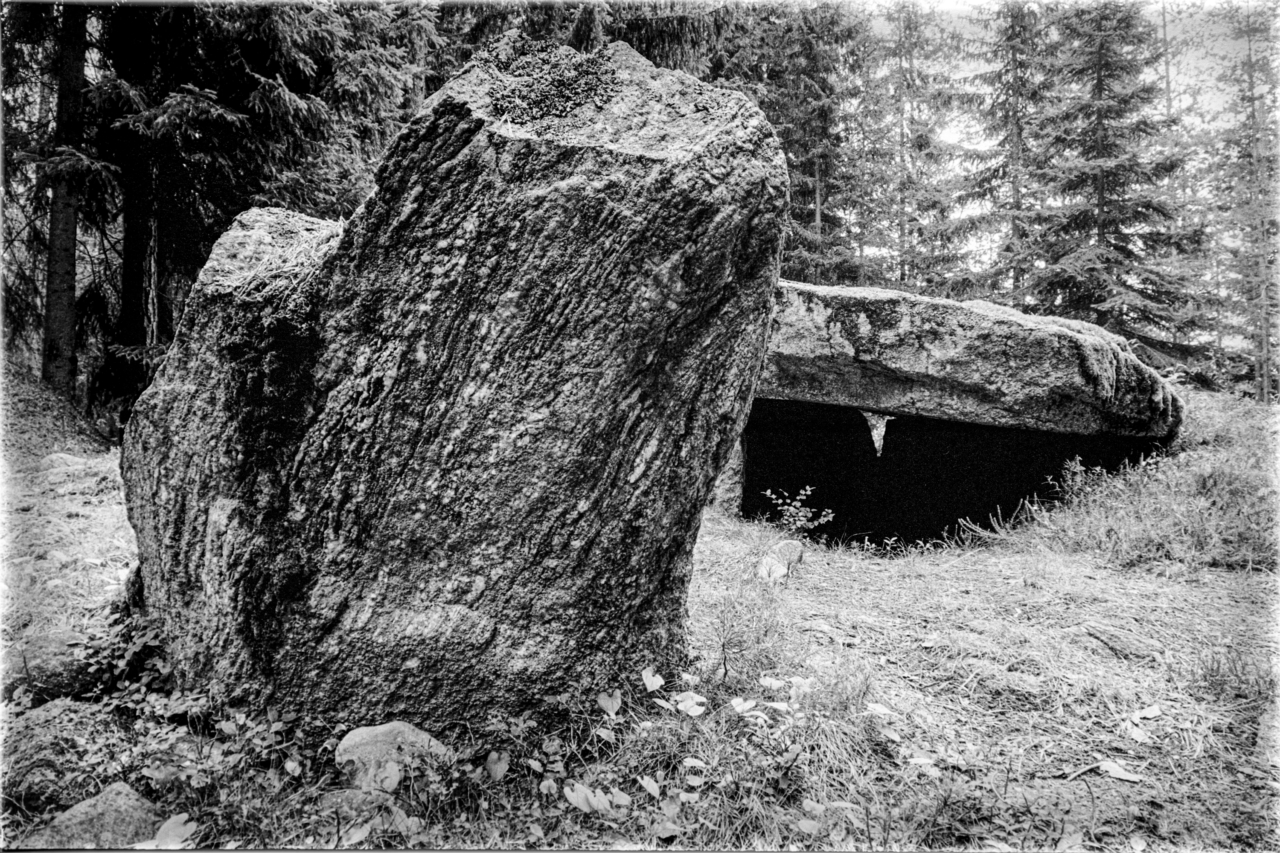
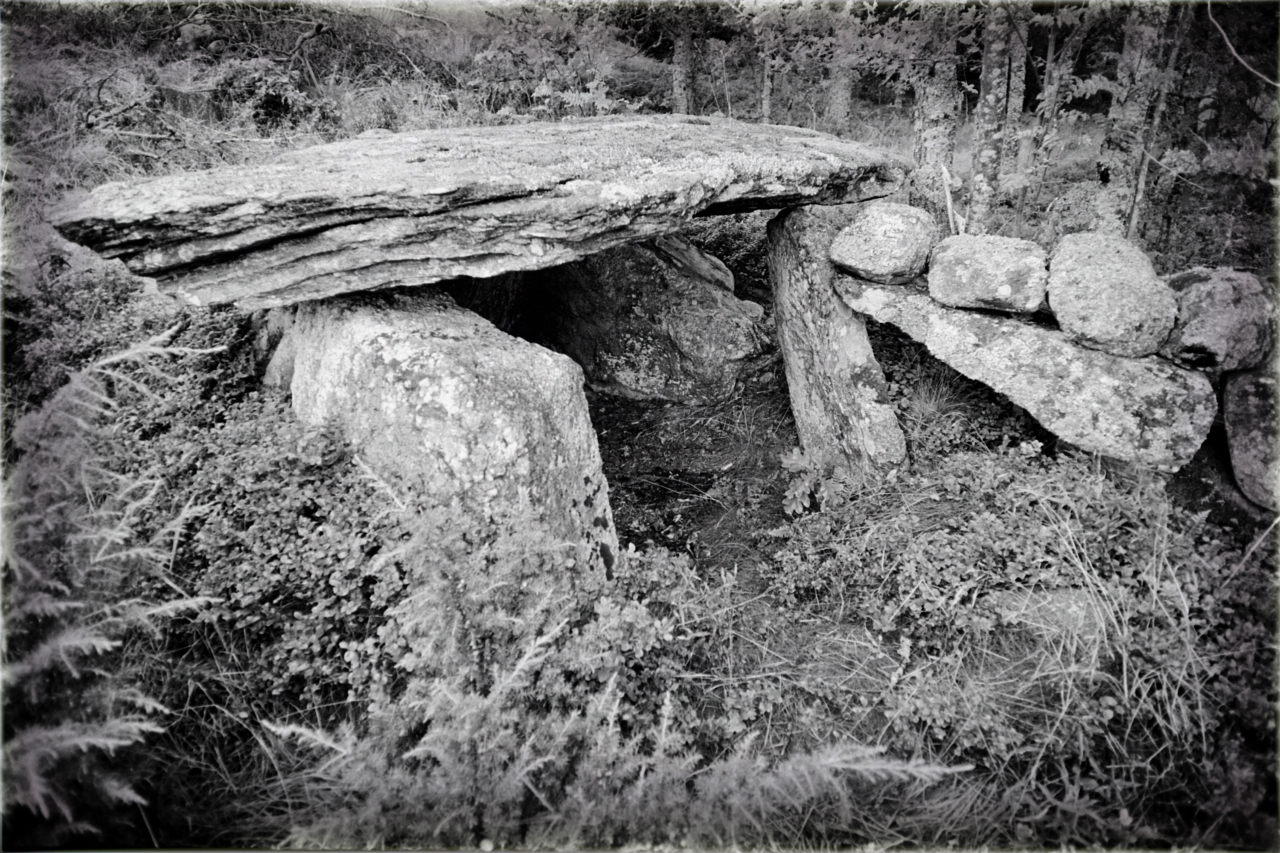
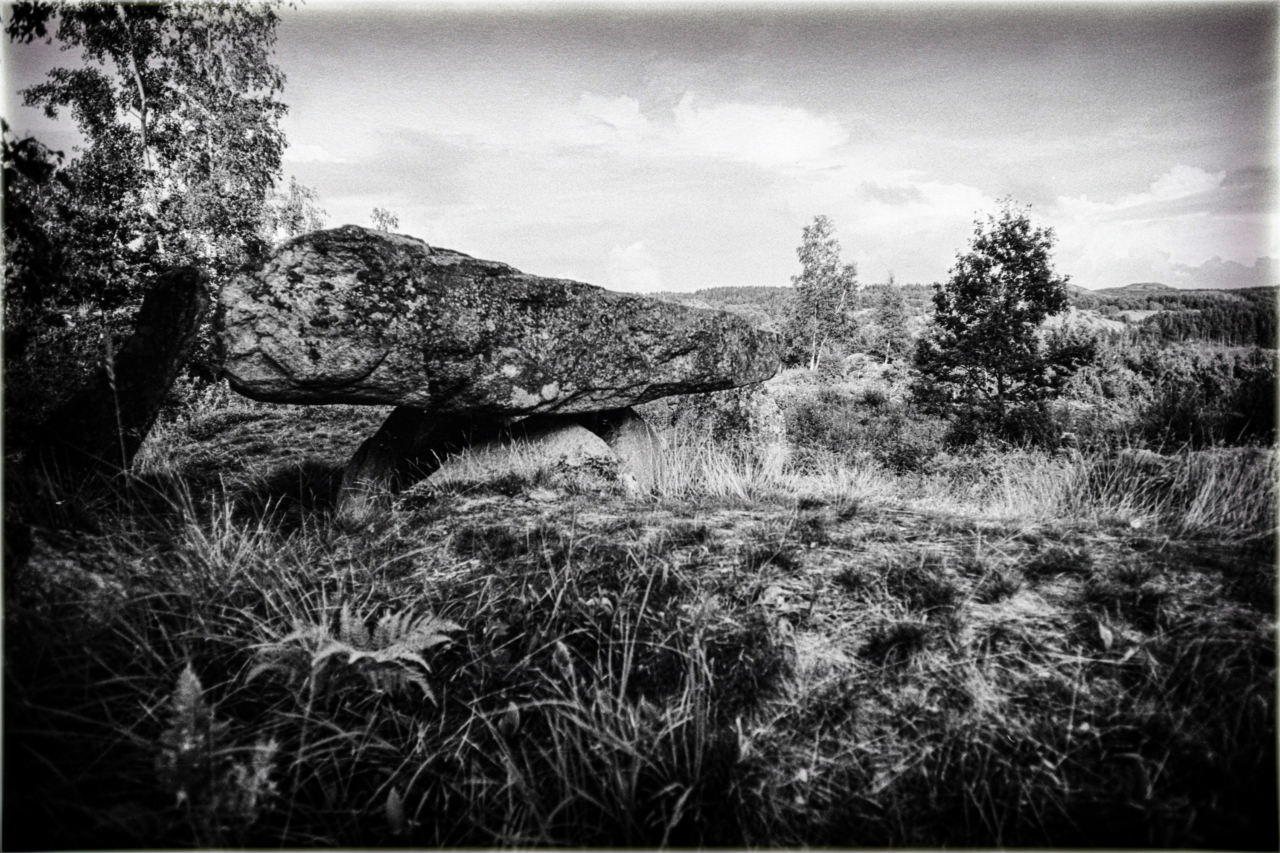
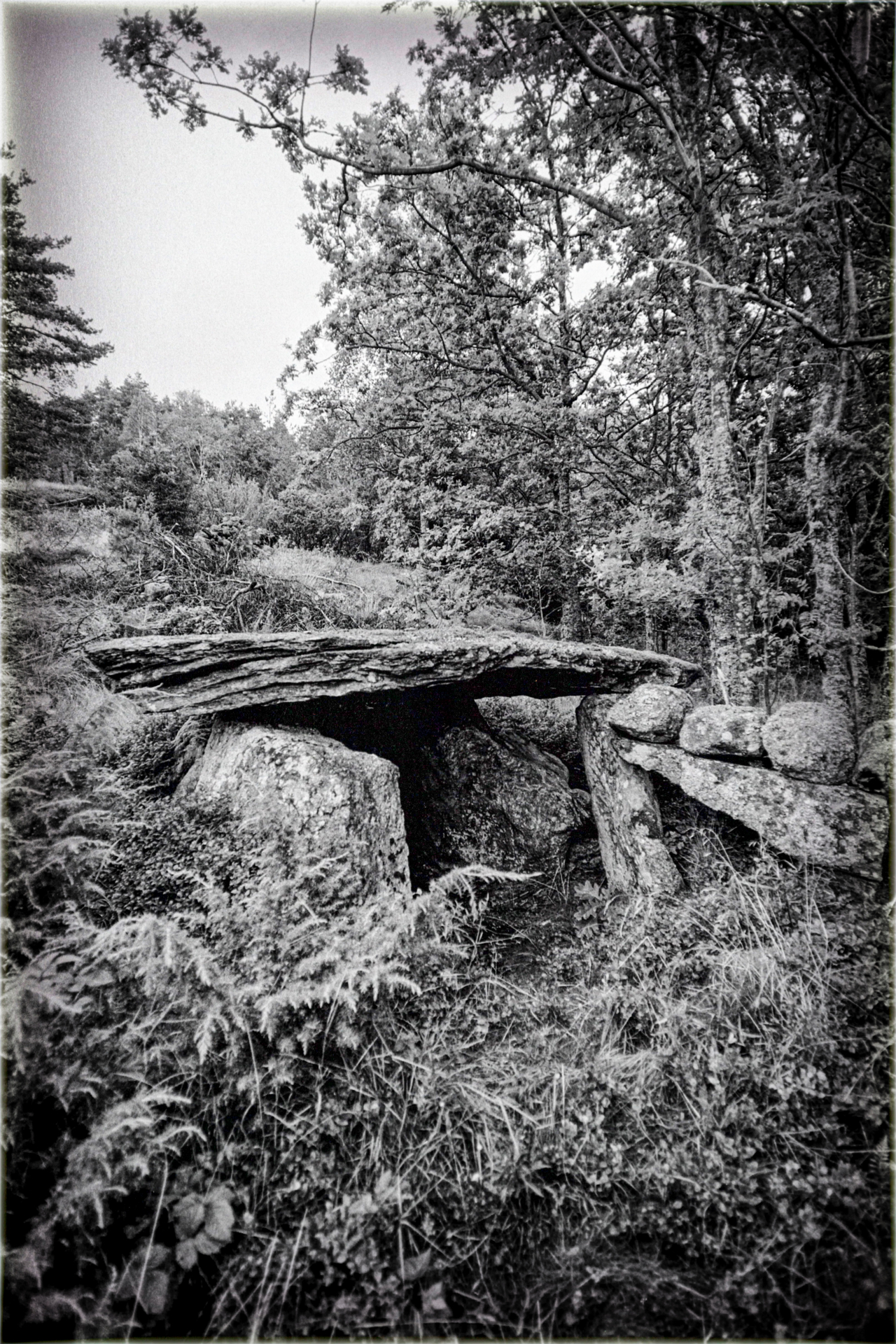
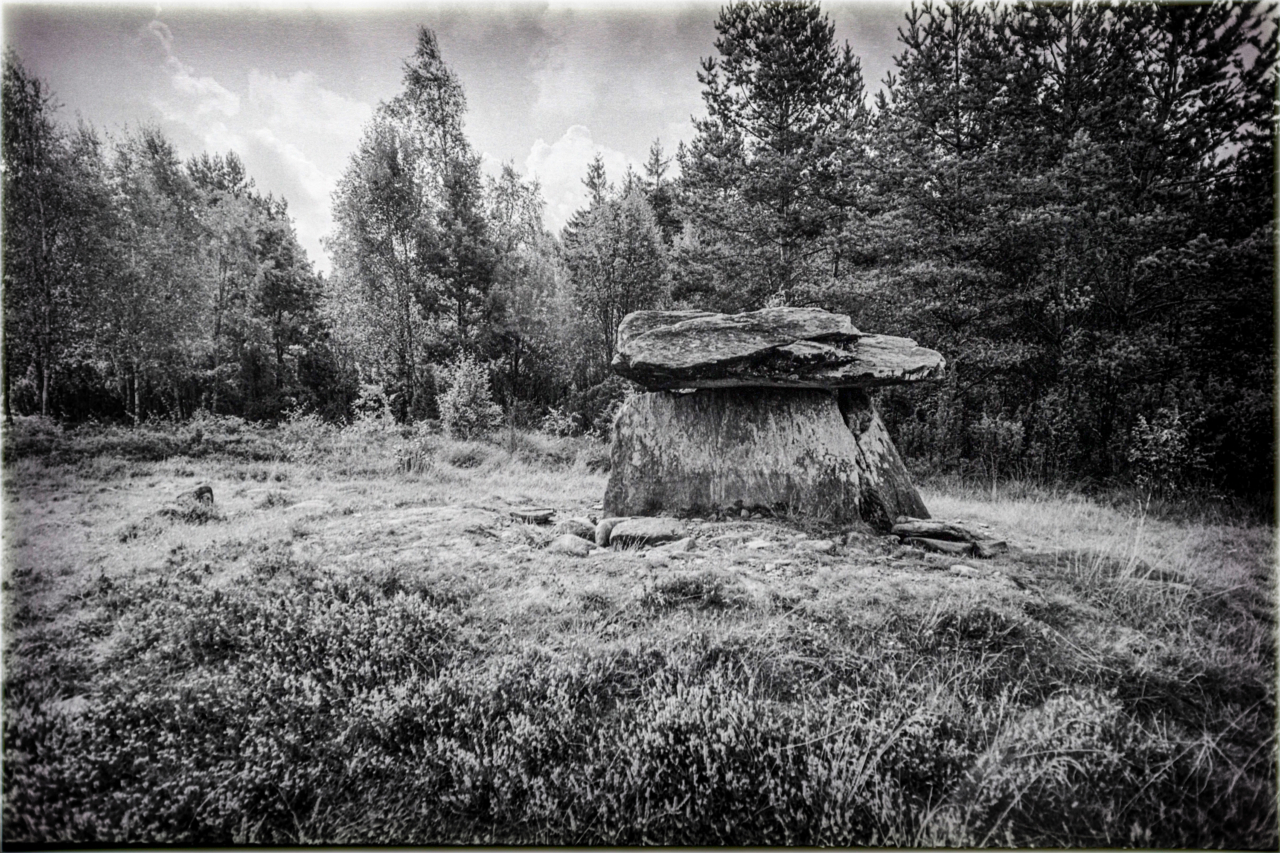
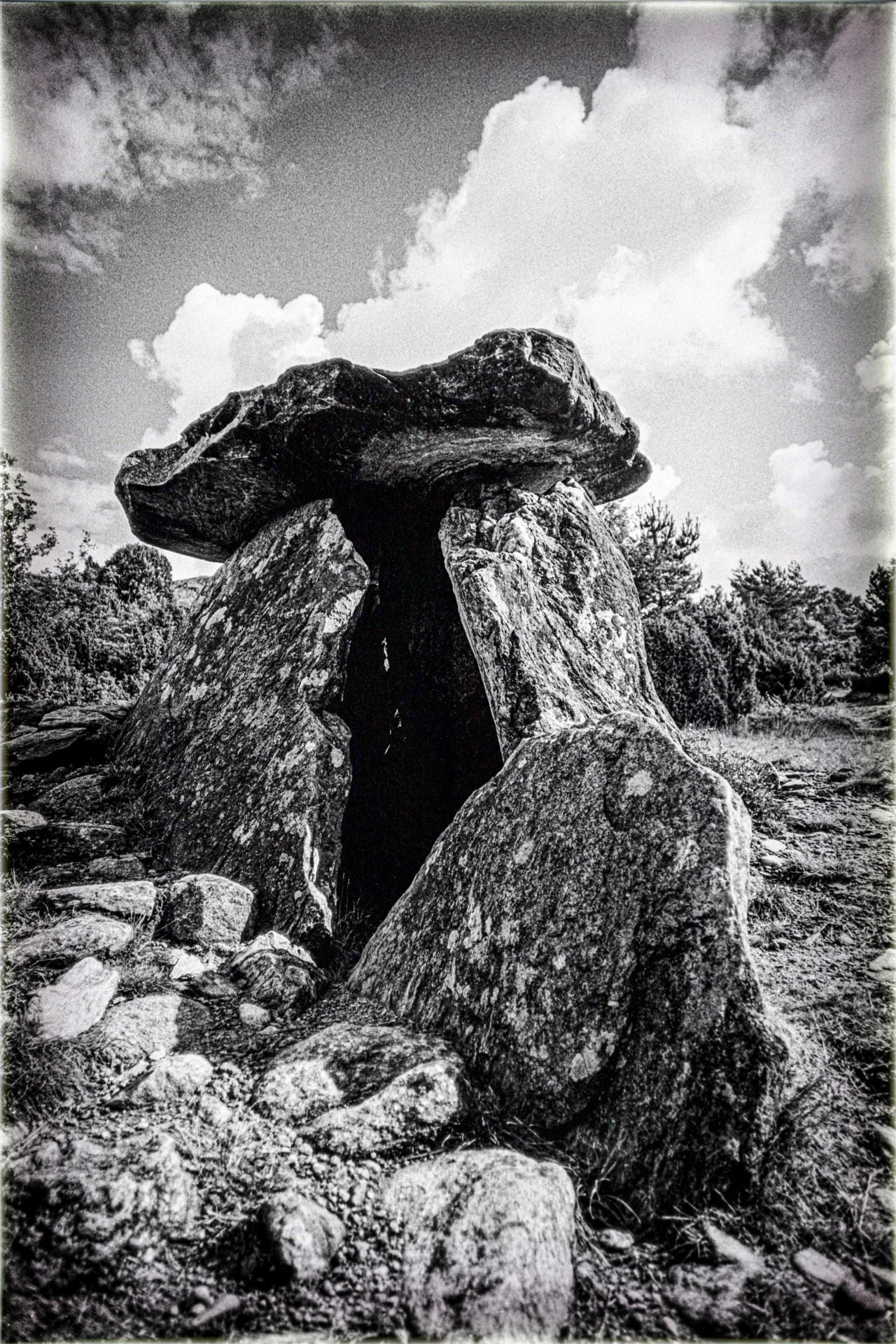
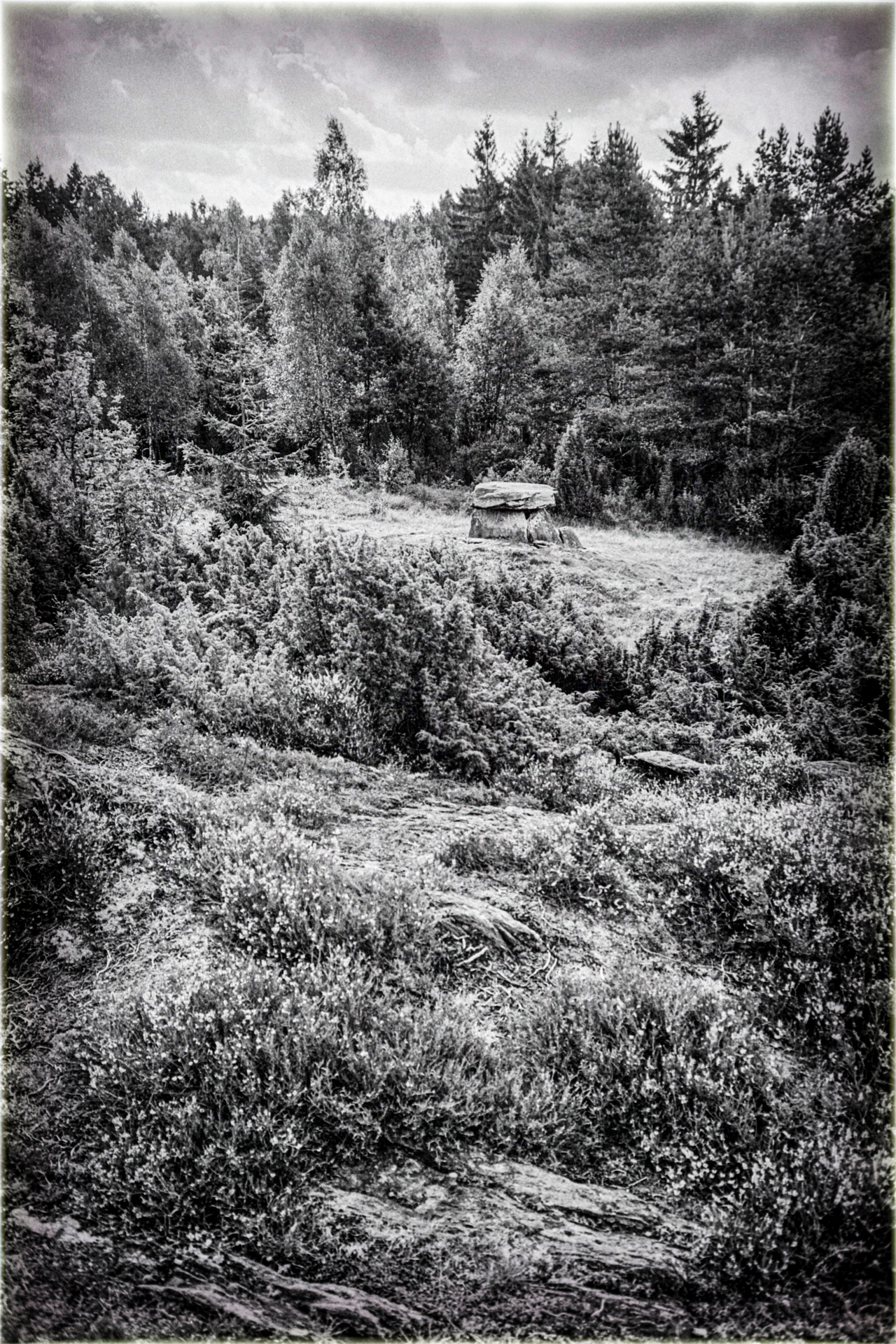
Informed by new archaeological research we question orthodox accounts of the emergence of agriculture in Mesopotamia, of megalithic monuments built by early farming communities in Atlantic Europe, and of petroglyphs in the bronze age of northern Europe. In so doing we make three key points: the prehistory of settlement is founded upon the confluence, the distributed ontology of nature-culture; place-making and marking-the-land are key modes of geopoetic engagement; artwork is well conceived less as expression, and better as mode(s) of engagement. We argue that nature has always been a relational, performative field — a co-production of human and more-than-human agencies.

In an excavation of past relationships with nature that have endured and experienced metamorphosis, the book moves through six strata, the basis of the six main chapters: Landscape | Presence, Environment | Performance, Ecology | Systemics, Anthropocene | Deep Time, Climate Breakdown | Activism, and Immanent Futures. Each explores how artworks have faced, framed, and acted with (and against) nature  — from the invention of a modern concept of landscape in the Renaissance, through ecological and performative art in the twentieth century, to today’s activist and posthuman practices. The book proposes that artwork does not so much represent nature; artwork enacts nature. Every artwork we examine is both archive and experiment, a field of correspondences between material and imagination, between what remains and what becomes. In sum there is no need to find answers to the challenge of how to act with nature and the environment. Attunement to the resonances of long-standing relationships offers ready-to-hand modes of practicing ecosophical care in times of crisis.
We are part of what we seek to understand — against the “reception” of the past

In Archaeologies of Nature we offer a genealogy, an archaeology of the concept of nature that takes us to antiquity and beyond in their actuality, their presence-at-hand (and yes, we acknowledge Nietzsche’s and Foucault’s “effective” histories as archaeological). So last summer 2025 I found myself returning to some poets of Graeco-Roman antiquity — Horace’s rural locales (via a beautiful small-press hand-crafted edition I found in Bell’s Books, Palo Alto), to the genre of the pastoral, to Hesiod’s Works and Days, the concept of phusis in presocratic and Aristotelian thought, to an old favorite of mine, Lucretius. After all, one of my academic homes is the Department of Classics!

None of this can be described as a reception of antiquity, the term usually used to refer to the study of afterlives of classical antiquity. Instead, I work within and upon the classical lineages of thought and practice that extend through the Euro-Mediterranean tradition and into the plural Atlantic modernities of the present. I am not claiming a kind of cultural inheritance to be defended, nor a canon to be discarded, but a terrain of post-classical legacy — a living field of translation, adaptation, and contestation. Not the “heritage” of cultural inheritance and property belonging to “us”. These genealogies in poetry and the arts form an inherited archive of reason, imagination, and technique through which ideas of the human, the natural, and the political have been continually made and unmade.

There is no past “over-and-done” to be discovered. Remains are all around us. Animate the archive!

This is what we see as immanent critique: to inhabit an archive from the inside, attending to both its generative possibilities and its histories of exclusion and domination. Our methodology is radical — literally — digging into roots that ground not a single stem or trunk, but rhizomatic sideways-creeping, pervasive, irradicable, weed-like root systems. Ecologies of thought and practice (after Isabelle Stengers) — open to transformation — rather than bounded “Western” systems. Working within such critical humanist traditions entails, as Donna Haraway and Anna Tsing remind us, staying with the trouble: engaging the ruins and residues of the classical–modern world not in search of purity or progress, influence and inheritance, but in the hope of cultivating renewed forms of relation, care, and imagination.
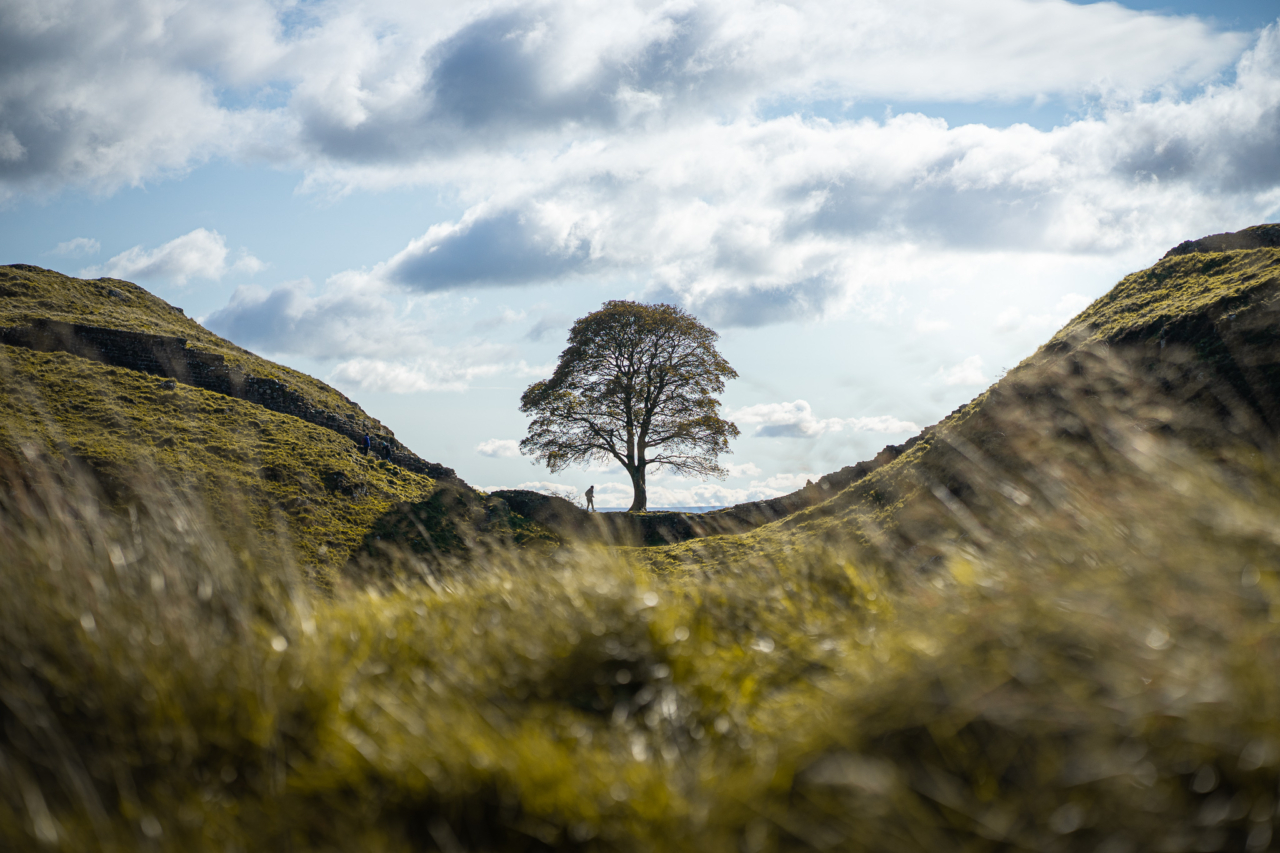
I returned to the Roman north in a dark moody December 2025, to an iconic landscape setting. Sycamore Gap, as it came to be known, was one of the most photographed places in Europe, made famous in the Hollywood movie Robin Hood Prince of Thieves (1991), and featuring in many walkers itineraries along Hadrian’s Wall, one of the largest construction projects of antiquity, a landscape cleansed and conserved in the 19th century, and now on the World Heritage list. [Link]

In the early hours of September 28, 2023, the tree was cut down by Daniel Graham and Adam Carruthers who drove a couple of hours from their modest homes in the local town of Carlisle. The felling gained worldwide attention. What were they thinking, intending? Their motivation seems obscure. They did not make it clear in the hearings. It certainly seems to have nothing to do with the middle-class values of conservation of heritage of the National Trust and its members, the agency that owns and manages the wall. [Link]
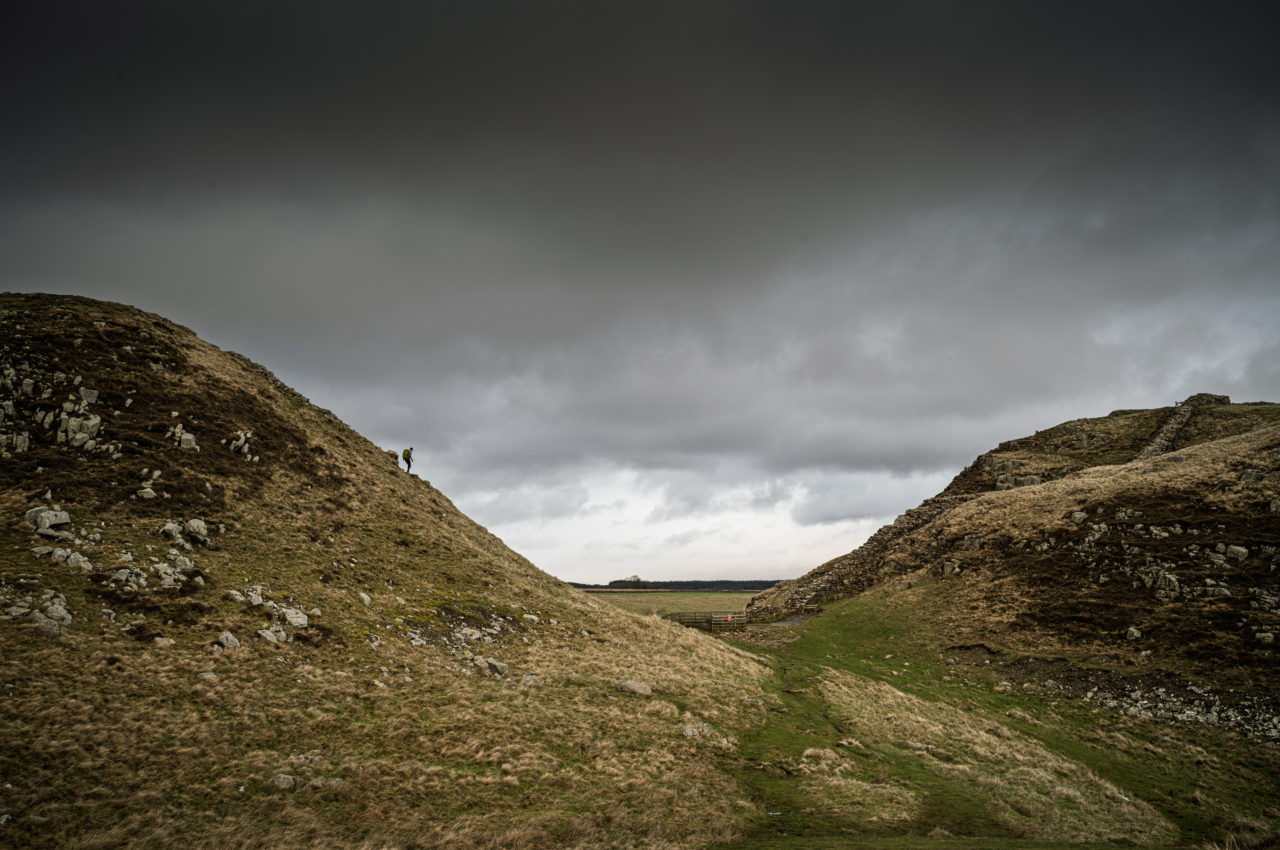
But is it such a mystery? Heritage is almost universally conceived as the inalienable cultural property of a community, a people, a nation state. “This is our land, our past.” Those wishing to act aggressively against the owners of such property, those who feel alienated from it, may well seek to damage or destroy it. Statues set up to commemorate the heroes of a community may be toppled in protest against the values of that community.

It’s our past too, not just yours! To do with as we please! In the break-up of Britain, the supposed United Kingdom, perhaps the motivation to cut down this icon of “national trust” was rooted in the same senses of ownership and of cultural inheritance so cherished by those horrified by the felling of the tree.

Atmospheres and geologies — against “entanglement”

So, finishing the book ran alongside my regular fieldwork exploring the prehistoric, Roman, and early medieval landscapes of northern Europe. 

I have been deep mapping this region for decades now [Link] — reframing landscape as performance, memory, and encounter — a choreography of traces rather than a fixed terrain in what Michel Serres well-described as percolating time and space. A mess of a place, out-of-place. Cliff McLucas, Mike Pearson and I, in theatre company Brith Gof,  borrowed the concept from William Least Heat Moon in the 90s to describe aspects of our site-specific theatre/archaeology. A symposium in September 2025, Venice and online, organized by Cristina Manzetti (University of Cyprus), and Valentina Mignosa (Ca’ Foscari University of Venice, Digital and Public Humanities) celebrated the concept and field of deep mapping. I presented the keynote [Link].

A popular academic metaphor for the way one is mixed up in the natural world, in the world of artifacts, of other people and other species is entanglement. We are entangled in the world, in the past, so it goes. But the root metaphor remains textile: separate strands, threads, or lines become knotted together. This undercuts a stronger account of internal connectedness, in which things do not first exist independently and then enter relation, but arise through shared processes, pressures, media, and transformations. (And as expounded in symmetrical archaeology — Archaeology: the Discipline of Things, 2012, with Bjørnar Olsen, Chris Witmore, Tim Webmoor).

Three alternative metaphor families help reframe the issue.

Atmospheric metaphors emphasise medium, tone, pressure, and inhabitation. Terms such as atmospheric inheritance or heritage atmosphere describe how pasts persist not as discrete objects but as climates of perception: ways of seeing, feeling, valuing, omitting, and legitimating. One does not stand outside an atmosphere and inspect its connections; one breathes it. This is especially useful for heritage, where power often operates through mood, taste, silence, hospitality, signage, and “natural” assumptions of custodianship.

Liquid metaphors emphasise flow, mixing, turbulence, and confluence. Confluent historicity names the way pasts, presents, futures, human actors, non-human processes, myths, institutions, and materials move through one another, altering direction and force. Turbulent inheritance suggests temporary forms emerging within historical flow: eddies, vortices, and disturbances rather than fixed nodes or strands. Liquid metaphors preserve difference without presuming separability.

Geological metaphors emphasise pressure, deposition, transformation, erosion, and recrystallisation. Heritage diagenesis is especially useful: just as sediments are compacted, cemented, dissolved, and chemically altered after deposition, inherited pasts are transformed under later pressures of politics, memory, tourism, conservation, and desire. Weathered inheritance similarly names the slow alteration of forms through exposure, use, conflict, and changing moral climates.

Together, these alternatives shift the emphasis from external connection to internal formation. They replace the image of things tied together with things co-forming through medium, flow, pressure, and transformation. In this vocabulary, heritage is not an entanglement of past and present, but their atmospheric, liquid, and geological becoming.

Archaeological sensibilities — against “big history”

Method in Archaeologies of Nature, and in my archaeology more generally, arises from an archaeological sensibility — a concept I have introduced and pushed to capture a disposition that attends to, is attuned to traces, remains, and recursions through time. This is working in the archaeological imagination, explored in what Mike Pearson and I called theatre/archaeology, and in archaeography — where the archaeological imagination meets photography (I delivered a hands-on manual and set of portfolios for archaeography at the beginning of summer 2025 [Link]). A forthcoming Routledge collection, Archaeological Sensibilities, edited by François Richard (Chicago), offers a wide-ranging survey of the concept through anthropology, literary studies, the arts and humanities; I contributed a summary commentary on the 20 or so richly worked case studies. It is gratifying to see the concept generating such fascinating work. Stanford’s Mudit Trivedi has a lovely essay in the collection.

And so appropriate to an archaeological sensibility are the alternative metaphor families just mentioned. Attunement to atmospheres of past-presences.

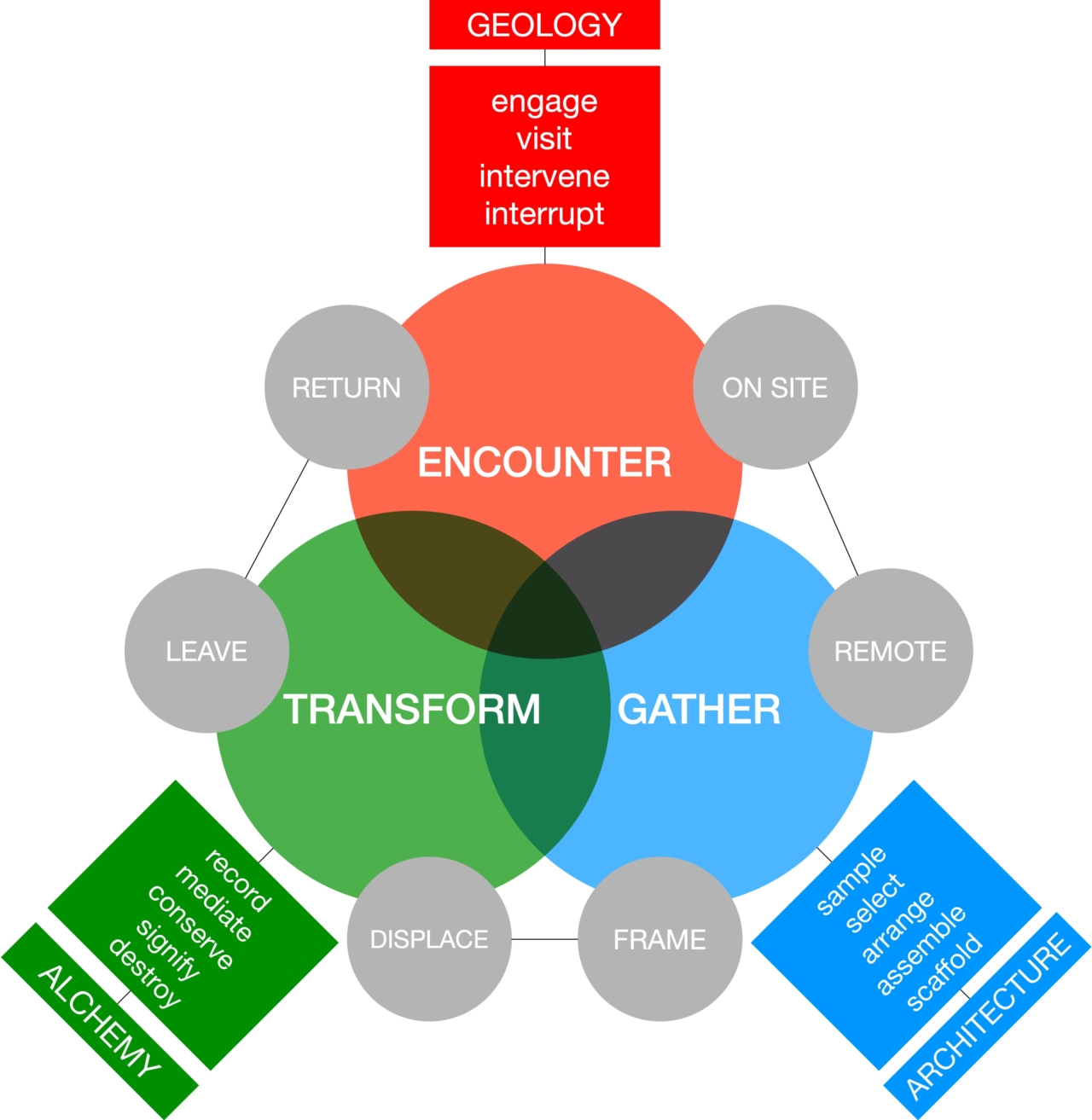
Let me be technical again — we are academics after all! Iterative transduction is what one might call this methodology, after Gilbert Simondon back in the 1950s and taken up in work following Gilles Deleuze and Felix Guattari in pragmatist science studies (for example Latour, Stengers, Pickering). This poetics in an archaeological sensibility is a recursive practice in which empirical engagement and conceptual reflection continually reshape one another. The work proceeds by return. Each (archaeological) encounter begins in the empirical — the found, the seen, the touched — but never ends there. Observation folds into reflection; description becomes inquiry. What is discovered in the field unsettles what was once thought stable in the mind. This is not a cycle of confirmation but a choreography of transformation — an iterative transduction where matter and meaning continually exchange energies. This approach enacts the recursive and iterative dialogue between empirical encounter and conceptual reframing. Knowledge is not extracted but enacted; thinking is a form of fieldwork. Each return to site or concept becomes a performance of correspondence—a way of making sense through the rhythms of attention, revision, and return.

The world is partner, not data. This methodology is a well-understood means of handling complexity, whether it be environmental systems or the irreducible messiness of history. It’s a way of connecting micro and macro scales of modeling, reconciling the universal principles of the natural sciences with the specific local contexts of technical application (design), retaining fine-grain empirical detail without reducing to the much-easier-to-handle schematic summaries and correlations to be found in much of “big history”.

I push back against “big history” — marketed by the likes of Jared Diamond, Yuval Harari, Luke Kemp, and our own Walter Scheidel and Ian Morris. My quarrel is not with deep time or big questions of the shape of history, but with the genre — the universal synthesis that promises the essence of the human story and its lessons in a single volume. 

Such a research and publishing contract forces a set of recurring faults. First, the prime-factor problem: each new historian typically corrects a predecessor only to nominate their own master key — geography, demography, epidemiology, energy, cognition, improvisation, dominance, networking, whatever. Second, the unit problem: the genre needs countable, bounded societies and other such entities such as states, with a birth and a death, yet the better historiography dissolves exactly that object. Rome does not end; it becomes Byzantium, canon law, the Latin Church, the juridical vocabulary of every successor state. Rome, one might easily argue, never “existed”. What “collapses” is usually a ruling apparatus — a far smaller claim than civilizational death (Cline on the end of Bronze Age “civilization”!). Third, the aesthetics of survival analysis confer false commensurability on cases that are not of one kind (Kemp compares the so-called end of the Bronze Age with contemporary Somalia). Fourth, narrative gravity — the tragic shape — bends the evidence toward tidy declines. Fifth, character returns by the back door, collapse blamed on pathological elites, reviving great-man history after disowning it, or celebrating the unnamed masses, for example. Sixth, a supposed origin becomes a moral anchor (such as Rousseau’s original Eden). And throughout runs an unfalsifiable functionalism whose deep-time machinery supplies gravitas, not evidence (impress one’s readers with the vastness and seriousness of one’s historical scope). Instead — try stripping the history out and ask whether the present-day argument still stands.

The alternatives I am exploring begin by dropping the contract. The shape of history packaged into 600 pages — no deal. I lean on the specialist literature that already treats prehistory and antiquity as continuity, transformation, and entropic process rather than rise and fall, which makes the natural shape of an archaeological or historical project genealogical. More radically, I seek not a counter-thesis (as did Graeber and Wengrow, for example, in positing heterarchy as the motor of history), but ask which form and genre can hold a plural, multi-temporal past as a complex adaptive system without collapsing it into a single arc. The deep map, the layered atlas, the case study, polyphonic narrative, speculative fabulation, agent-based simulation, itinerary, theatre/archaeology?

It has only been in 2025 that a quest to counter the grandstanding of such historiography has come together, clarified. Our book Archaeologies of Nature has turned out to be something of a trial run or experiment, a prototype. So watch out for a trilogy over the next few years: Prehistory: a Mythography, Antiquity: Speculative Scenarios, Modernity: an Archaeology.

Archaeological mythographies — an energy-field of the past-in-the-present-for-the-future

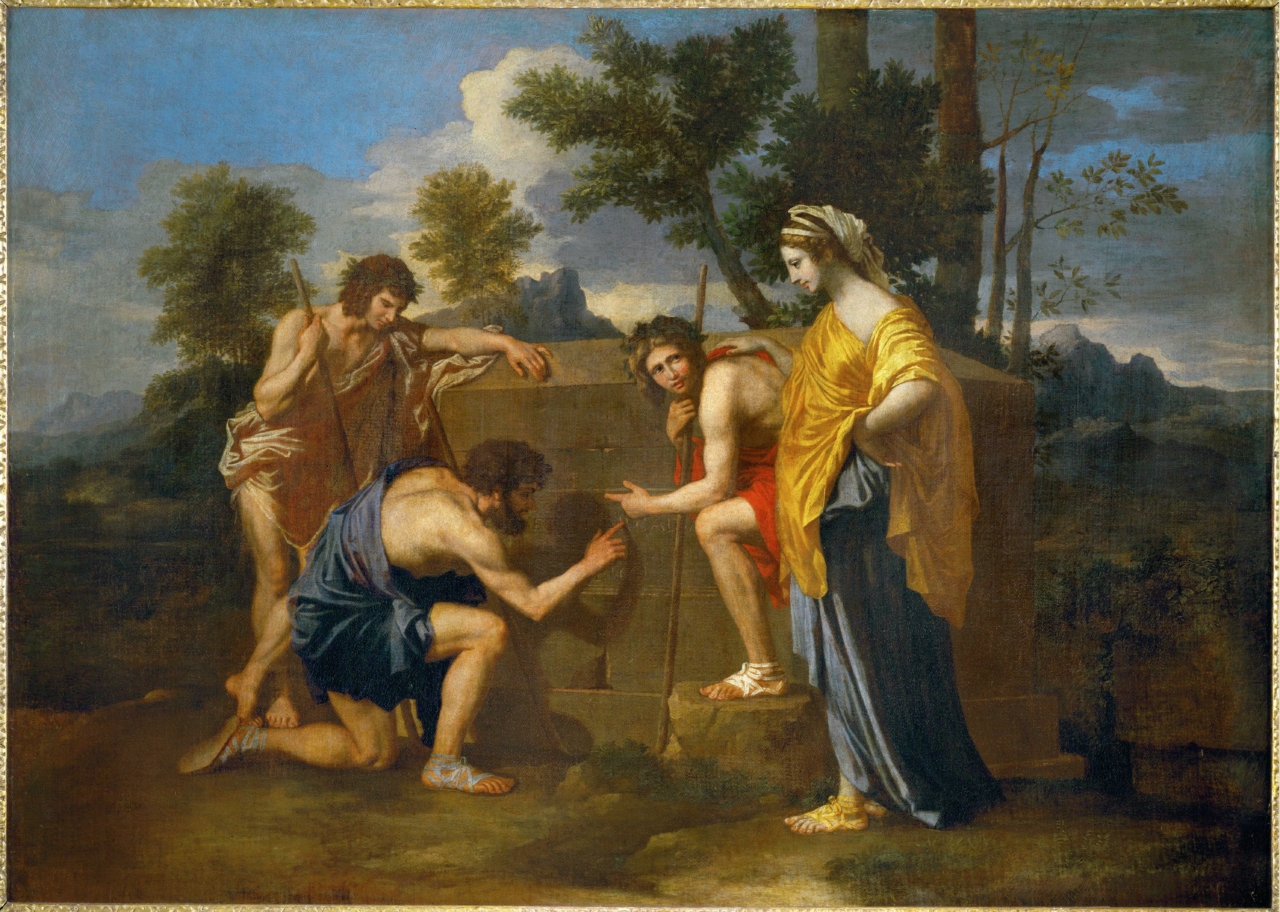
I have just mentioned mythography. Much of what passes for archaeology and history is less rooted in analysis of evidence than one might suppose, or, at least, serves to support familiar myths, by which I mean stock grand narratives of the human story — origins, progress, decline, nature/culture, social and technological revolutions and more. My theatre/archaeology (the rearticulation of remains as real-time event) continues to explore the roots of these myths with experiments in tropes and archetypes, this year with the development of archaeological theatre (photo tableaux and scenarios — inspired not least by Poussin’s extraordinary seventeenth-century classical tableaux).

The cure for bad myth is not no myth — that is not on offer — but myth practiced deliberately, critically, creatively, against-the-grain, and in the plural.
Applied archaeology, pedagogy and learning — the continuing story

Published in March 2025, Creative Pragmatics for Active Learning in STEM Education (edited with Connie Svabo, Tamara Carleton, Chungfand Zhou) [Link] draws on more than 50 years of progressive pedagogical practice in Scandinavia, and exemplified in Stanford’s design thinking, to outline programs to build the competencies to be found in such grounded and action-oriented knowledge building. We launched the book in a plenary session of the annual meetings of the European Science Education Research Association in Copenhagen in August 2025 and at an online symposium in October.

Its praxis continues with Trans Nation Co-Creation — a new network of interests in leadership and innovation, led by Sabine Remdisch of Leuphana University, Visiting Scholar in my studio lab. This program of workshops, symposia and publication is now funded by the German Federal Ministry of Research, Technology, and Space.

More funding for research in this field of transdisciplinary art-science-humanities has come to me and Gabriella Giannachi from the Arts and Humanities Program BRAID (Bridging Responsible AI Divides) and the Arts and Humanities Research Council UK. The brief is to write a commentary — The Archaeology of AI: Robots, Memory, and the Building of Knowledge. Due in 2027. [Link] [Link]

Acting with the World: Agency in the Anthropocene is the title of a book by science studies scholar Andrew Pickering, also published in March 2025 [Link]. With elegant and compelling clarity he draws on lifelong research and makes the case for a sustainable science to be founded on a balanced, symmetrical relationship with what we seek to know. In contrast to our usual practice of acting-on the world, Andrew proposes a performance model for knowledge where one acts-with human, nonhuman and more-than-human agencies. And he has great case studies to show just what he means and what this entails – flood control on the Mississippi River, ecosystem restoration on the Colorado River, the Room for the River project and rewilding in the Netherlands, natural farming in Japan, Aboriginal fire techniques in Australia, and Amazonian shamanism. Our book Archaeologies of Nature draws similar conclusions from our excavation of artworks. His book ends with a call to implement ways of teaching the skills and competencies of a sustainable science that acts-with the world; he cites our book Creative Pragmatics as offering essential guidance and leadership in exactly such a future-oriented project that combines the arts, sciences, and the humanities.

The archaeological life of things — Bornholm

Hosts, ghosts, visitors

For some years I have been making archaeological visits to Bornholm, the Danish island south of Sweden. Rock art, unique prehistoric sites and monuments, medieval settlement, churches and castles, rune stones, fishing industry, cold war relics, an arts community since the nineteenth century, contemporary heritage and tourism. The mingling remains of many times, the palimpsests, the pasts-in-the-present, the archaeological potential of the island is considerable. My ongoing project focused on a northern border in Britain [Link] is expanding to take in the archaeology of the archipelago of northern Europe.

I heard last year at the tribute to Chris Tilley held at University College London [Link] that he was planning one of his phenomenological expeditions to Bornholm when he died. The archaeology is well-documented and extraordinary new finds are constantly emerging. Yet the research potential remains largely undeveloped, analytically thin, mostly trapped in nineteenth century thought. Tilley was good at spotting opportunities for reframing and reworking well-prepared source material.

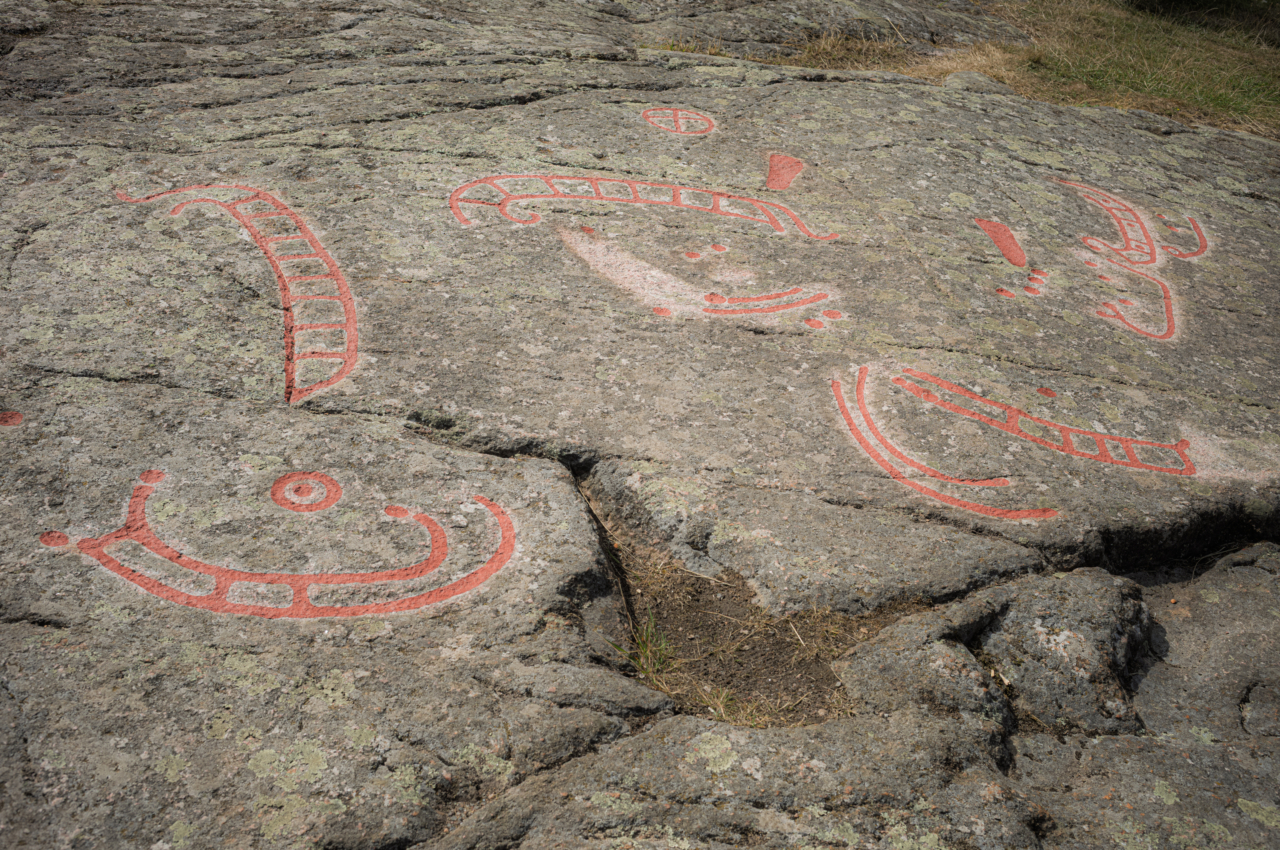
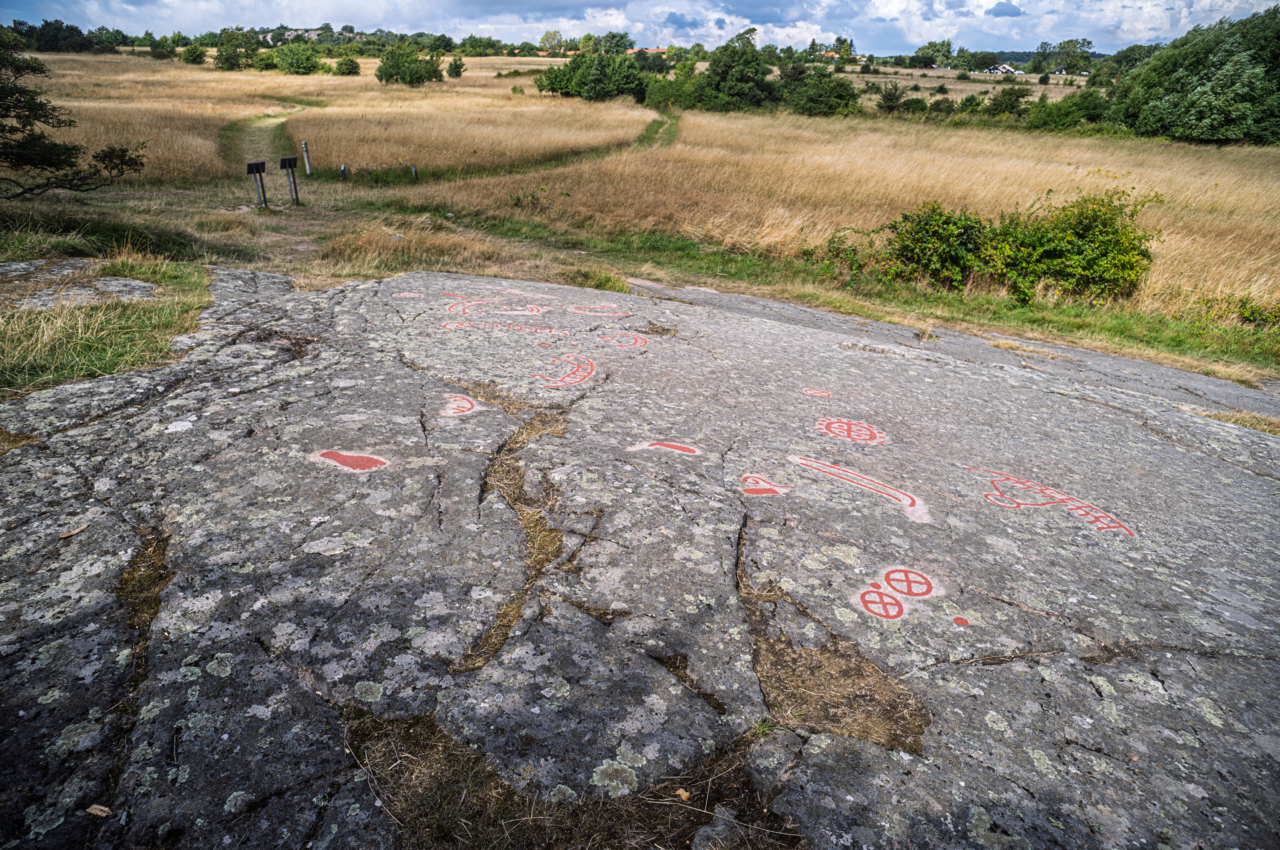
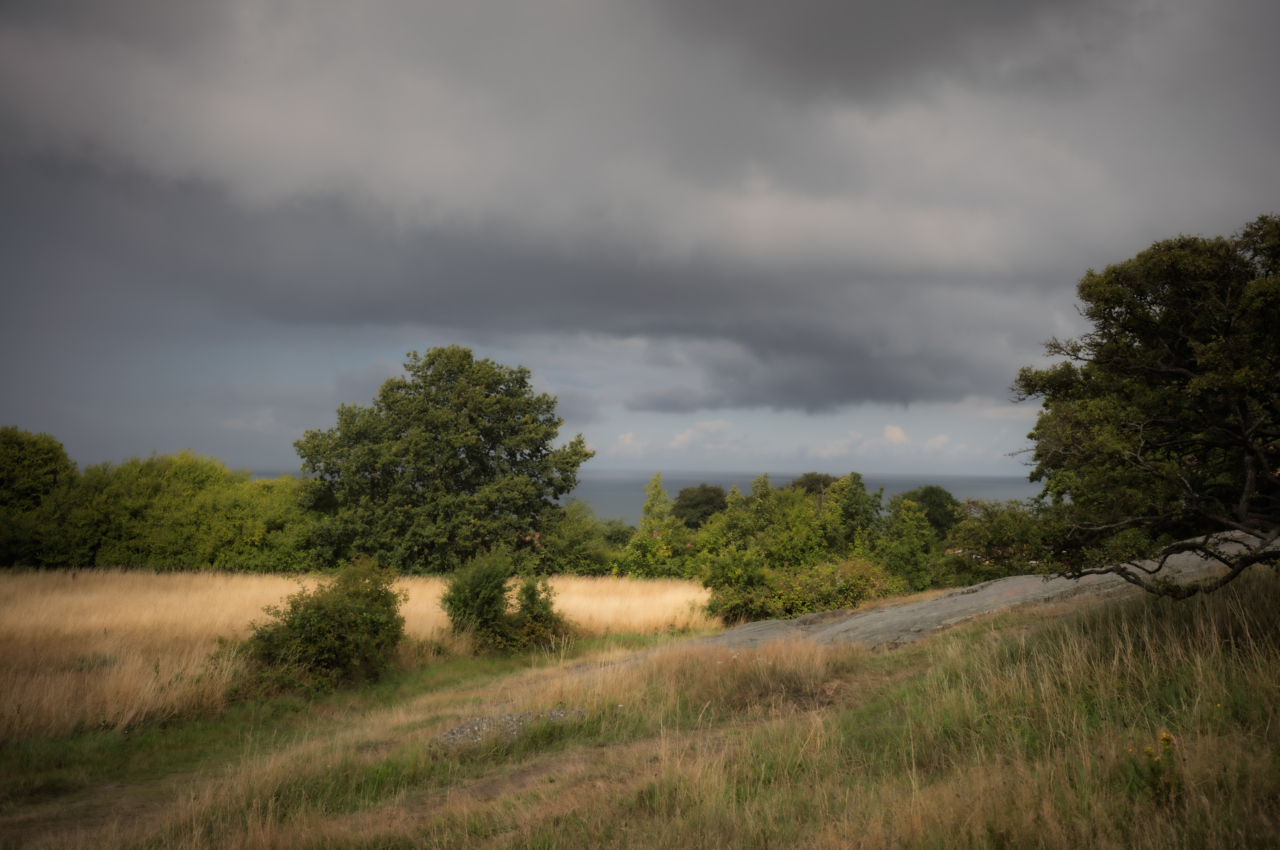
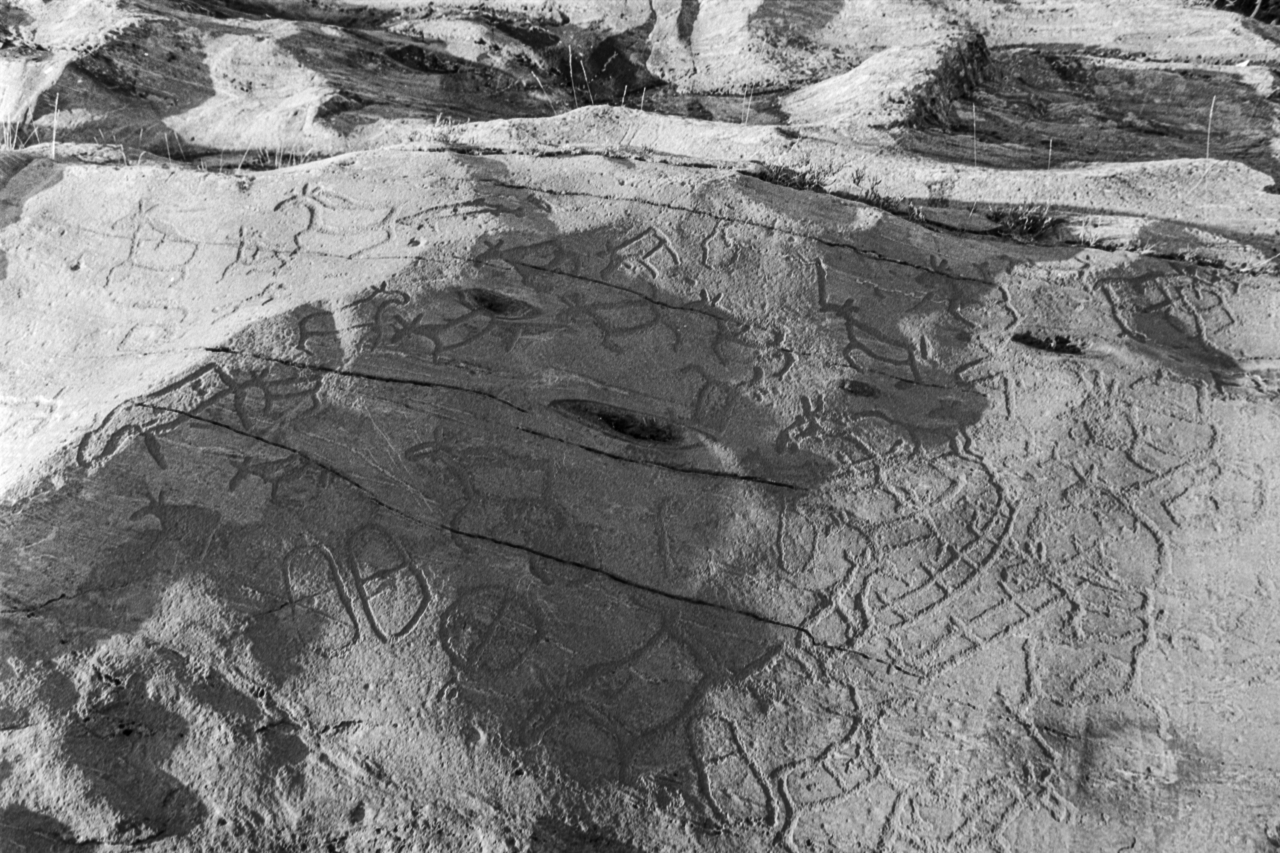
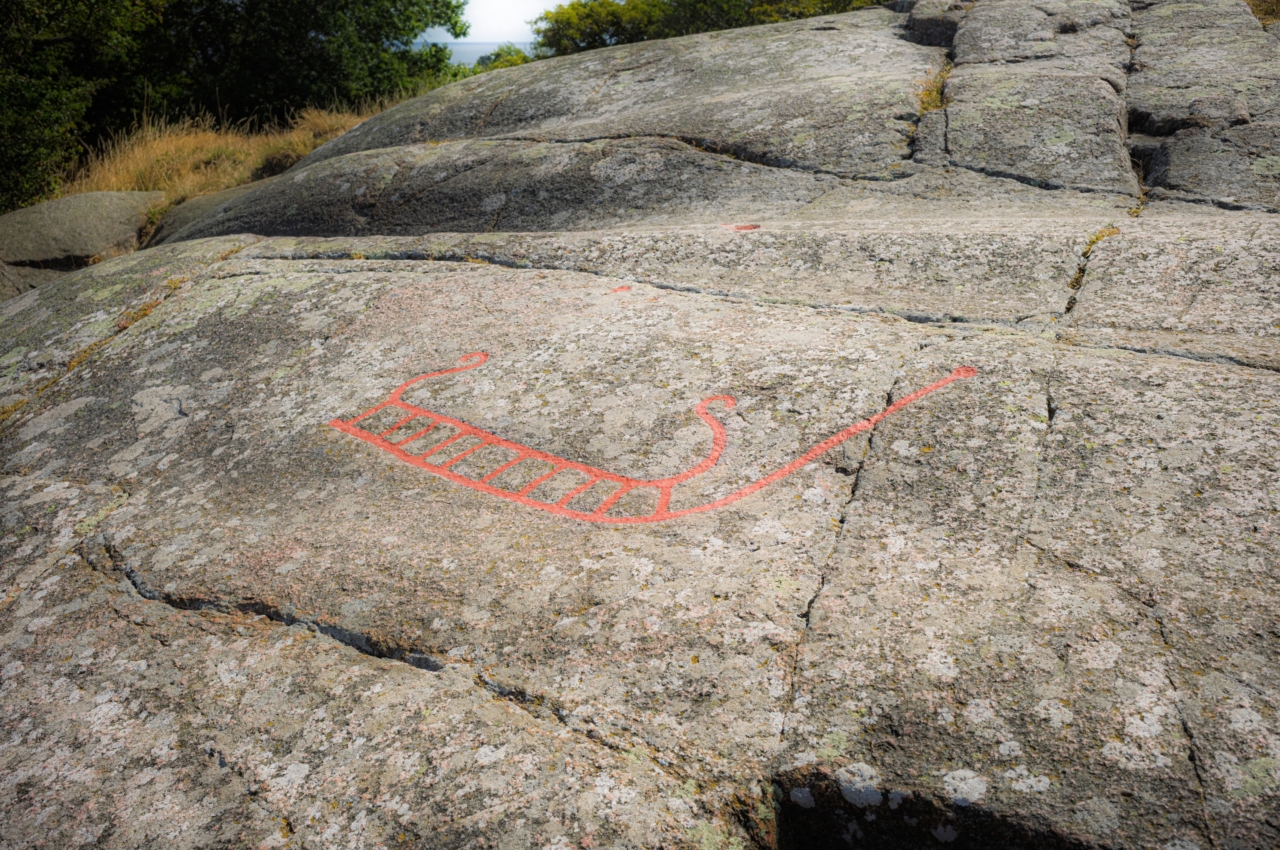
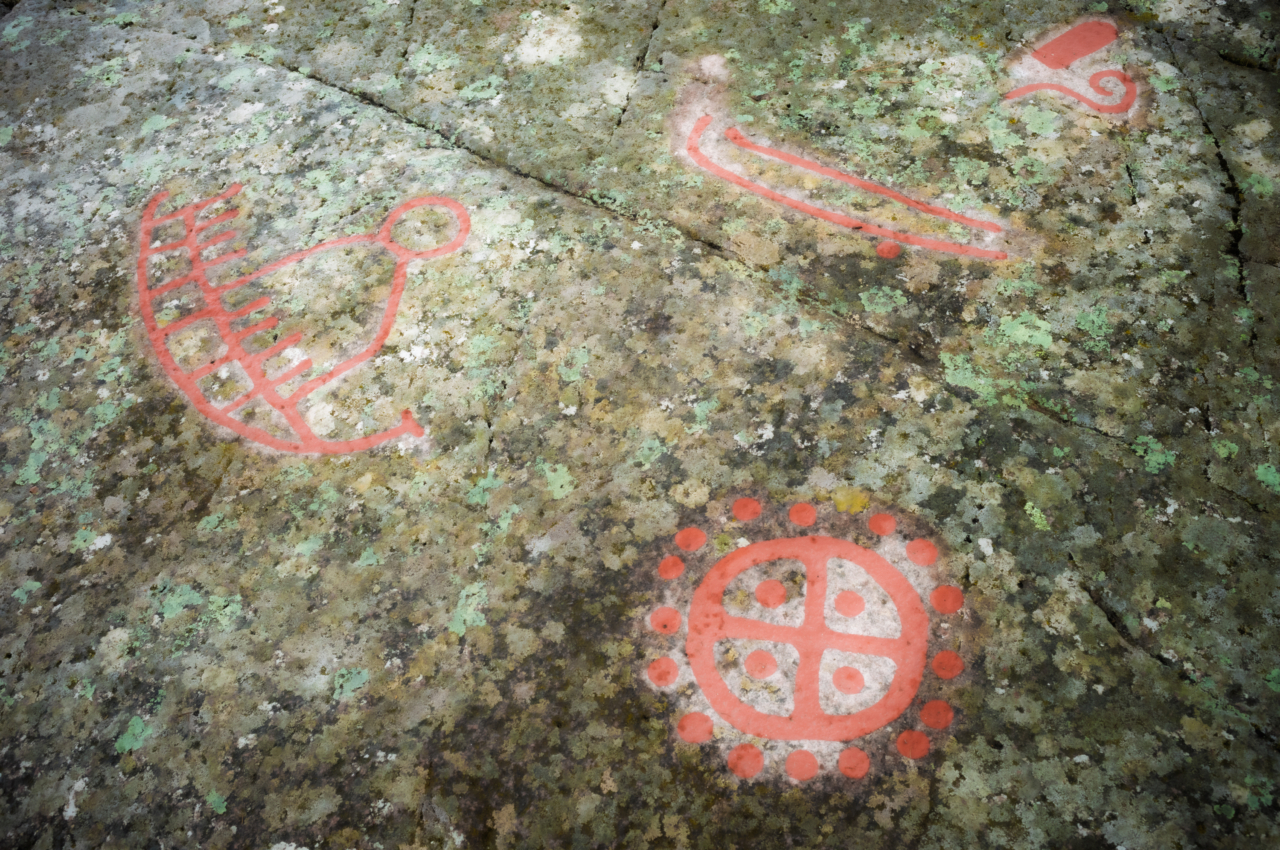
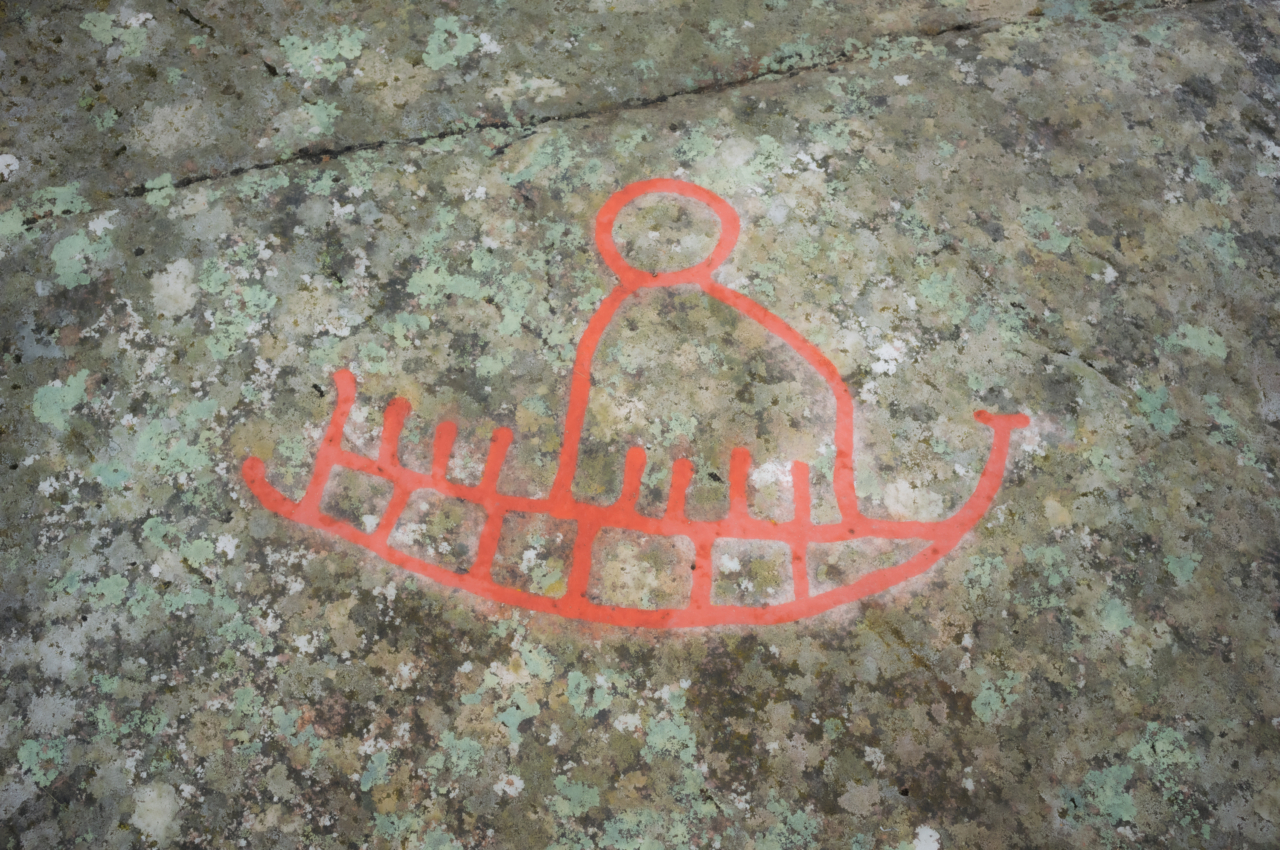
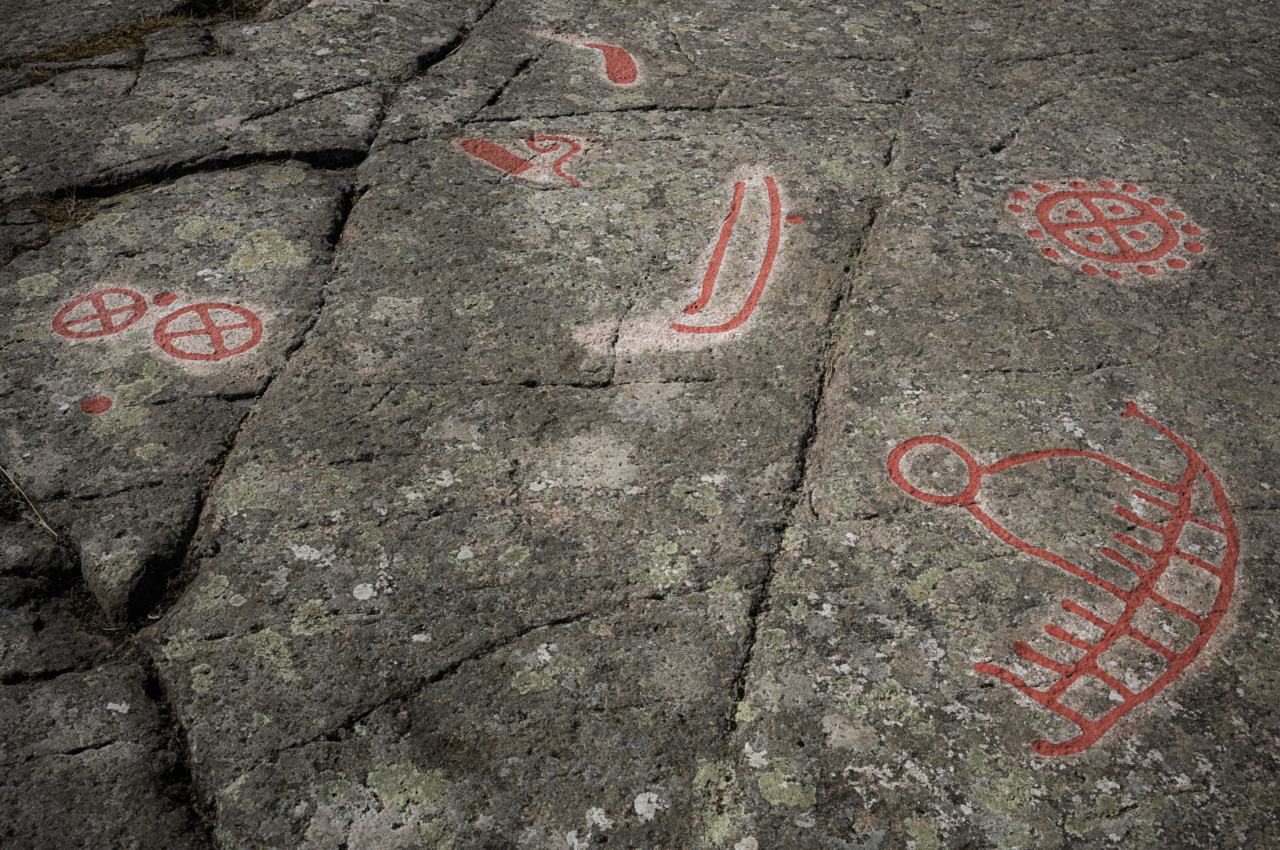
Last week I revisited Madsebakke, a rock outcrop in the north of the island with a unique series of ship and circle motifs from the Bronze Age. In the last ten years many more carved outcrops have been found nearby around Hammersholm. Tilley’s ghost was with me — this is the kind of landscape he relished [Link] [Link]. What kind of pattern might be found in the locations, the motifs of ships and sun wheels and cups? What insights might be gained into prehistoric experiences of genius loci?

I have always been focused on the actuality of the past — its presence-to-us-now. What struck me at Madsebakke was that the carvings had been recently cleaned and painted.

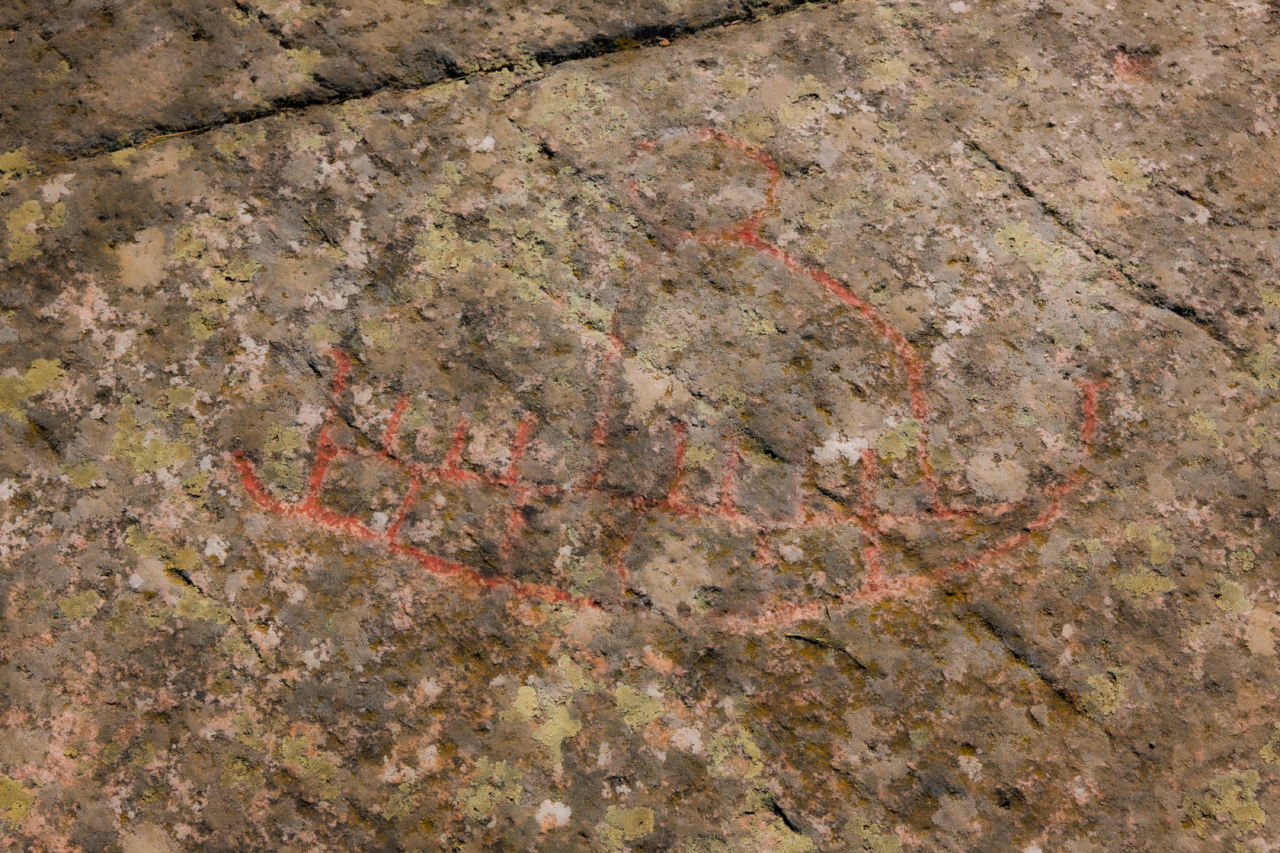
This is what one of the ships looked like a few years ago — old paint wearing off, leaving the weathered surface.

There’s no evidence that the carvings would have been painted originally, and the practice of painting is questioned now on grounds of conservation/preservation. The state web sites explicitly say that carvings are not now painted; but here they are. (Mogens Jensen has posted a photo of the painting on his web site — link below). There’s now a hiking trail one can follow from Madsebakke through the fields to Hammersholm connecting the many carved outcrops known in the vicinity ([Link] [Link] [Link] and below). I presume that this is the reason for the painting of the carvings — an interpretive purpose that visitors might actually see the much-worn motifs.

(There’s a fine web site detailing this and other sites on Bornholm from local historian/archaeologist Mogens Jensen — [Link]).

Rather than conservation and interpretation, let’s take up the matter of the experience of the carvings.

Figure and ground — living stone

The red paint focuses attention on the motif, separating it from a background surface. To paint a motif in this way is to assert the primary significance of the relationship between figure and ground. What matters is the ship, the motif, the figure — this is why it is painted. So one knows what one is looking at. The assumption is that the rock carvers of old were carving ships (or whatever) on and into a surface.

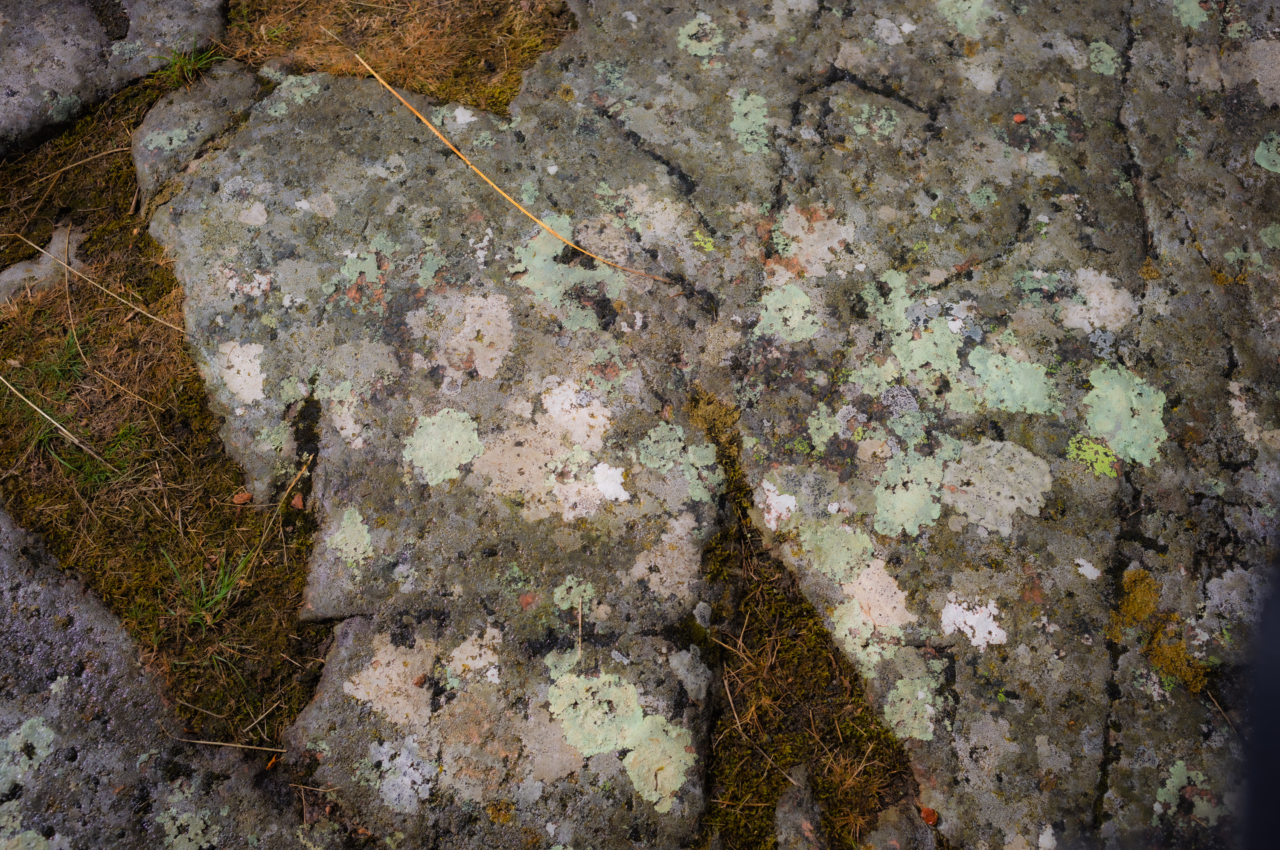
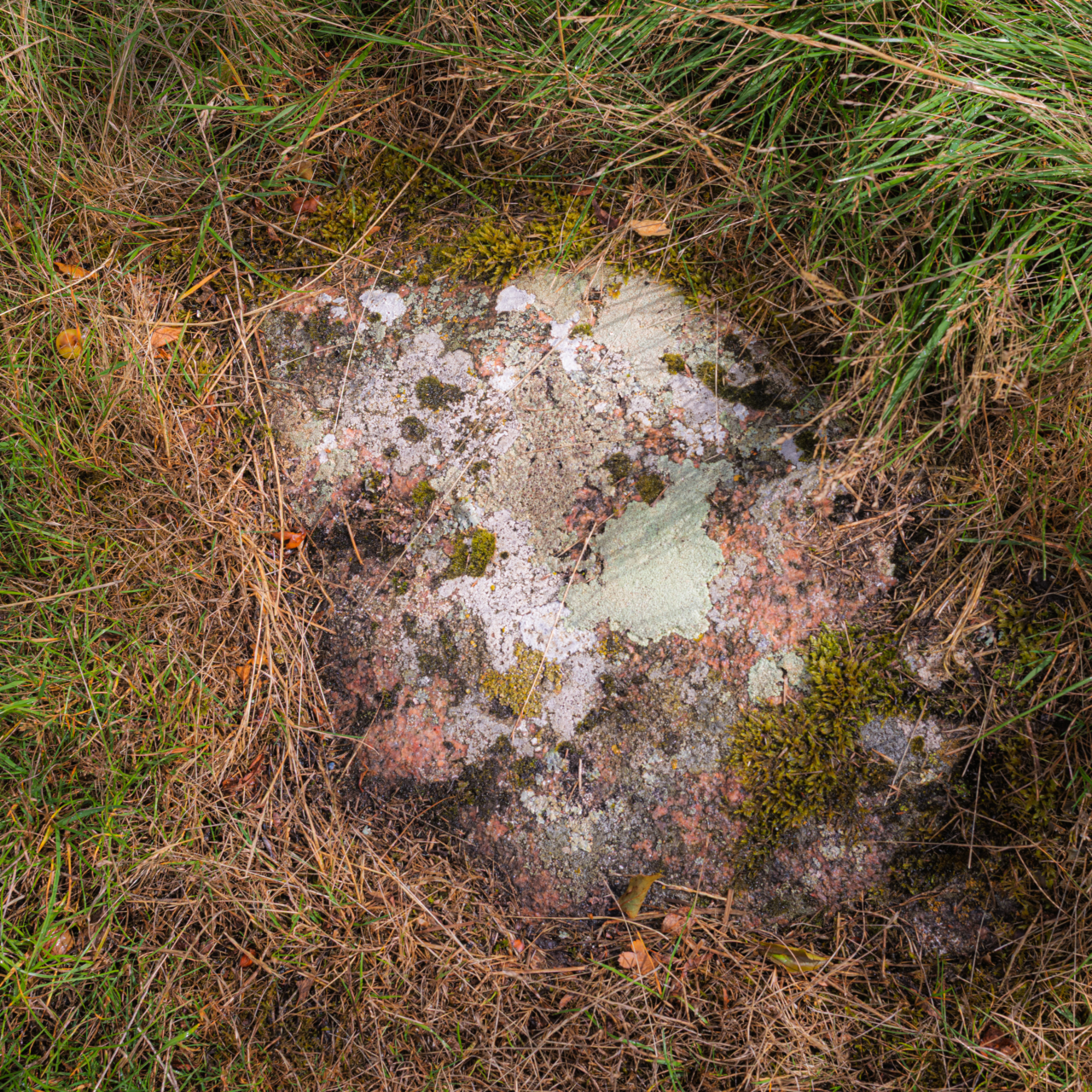
What of the (back)ground? The qualities of the stone, the scorings made by ice sheets, the rolling surface, and the mosses, grasses, lichens, are treated as secondary at best, or irrelevant. So the conservator of the image destroys the living surface to see where to paint the motif, the ship.

This is an example, a manifestation of what one can call a fallacy of representation — that when one experiences a phenomenon such as this rock outcrop, one is experiencing representations of ships.

Of course this is also associated with an iconographic and iconological impulse, a neurosis even, that one should strive to identify the representation and make sense of it. Is this a magical ship carrying the sun across the sky? A reductive and forensic impulse too — solving the riddle of the stones, finding the answer, their meaning.

But there would be no ship without the rolling living stone upon which, into which, the ship is set. The rock is an integral component of the representation. This relationship of figure and ground is particularly significant when one considers not the representation per se, but the process of carving, attending to tool applied to stone, the performance of connecting ship, circle, wheel, cup, granite, lichen, moss, grass, rain, sunshine, wind, in lifeworld allegories of ocean and heavens, movement and mobility, organic and inorganic.

Cleansing, bleaching, painting sterilizes such a living past. All the dynamic energy of assemblage and allegory, of making sense in stone is reduced to a sketchy stylized red boat with a circle floating above it.

I recall a wonderful conversation in Göteborg with Johan Ling back in 2012, presented as a lecture dialogue. A leading expert on Scandinavian rock art, Johan is interested in expanding the scope of rock art studies. We talked of how site-specific performance might be a way of thinking about rock art. Performance design — I would connect this concept too with some of Tilley’s later work — treating as staging, dramaturgy, choreography these material/immaterial assemblages of motifs, actions performed with stone, sitings in the land, events and atmospheres, growth and weathering, concepts and stories.

Connie (Svabo) commented that the painting of the motifs is without poetry. Inept, uni-dimensional, kitsch. Evidencing an unthinking, though steady, hand at best. The rich, complex, living experiences of engaging-in-the-now with these remains and their milieu, the affordances they offer to various ends and purposes, including making sense and speculation, are attenuated, atrophied.

A poetry of imagery is, in contrast, a poetics of connection, association, elaboration — processes and performances.

There’s no way back — time and metamorphosis

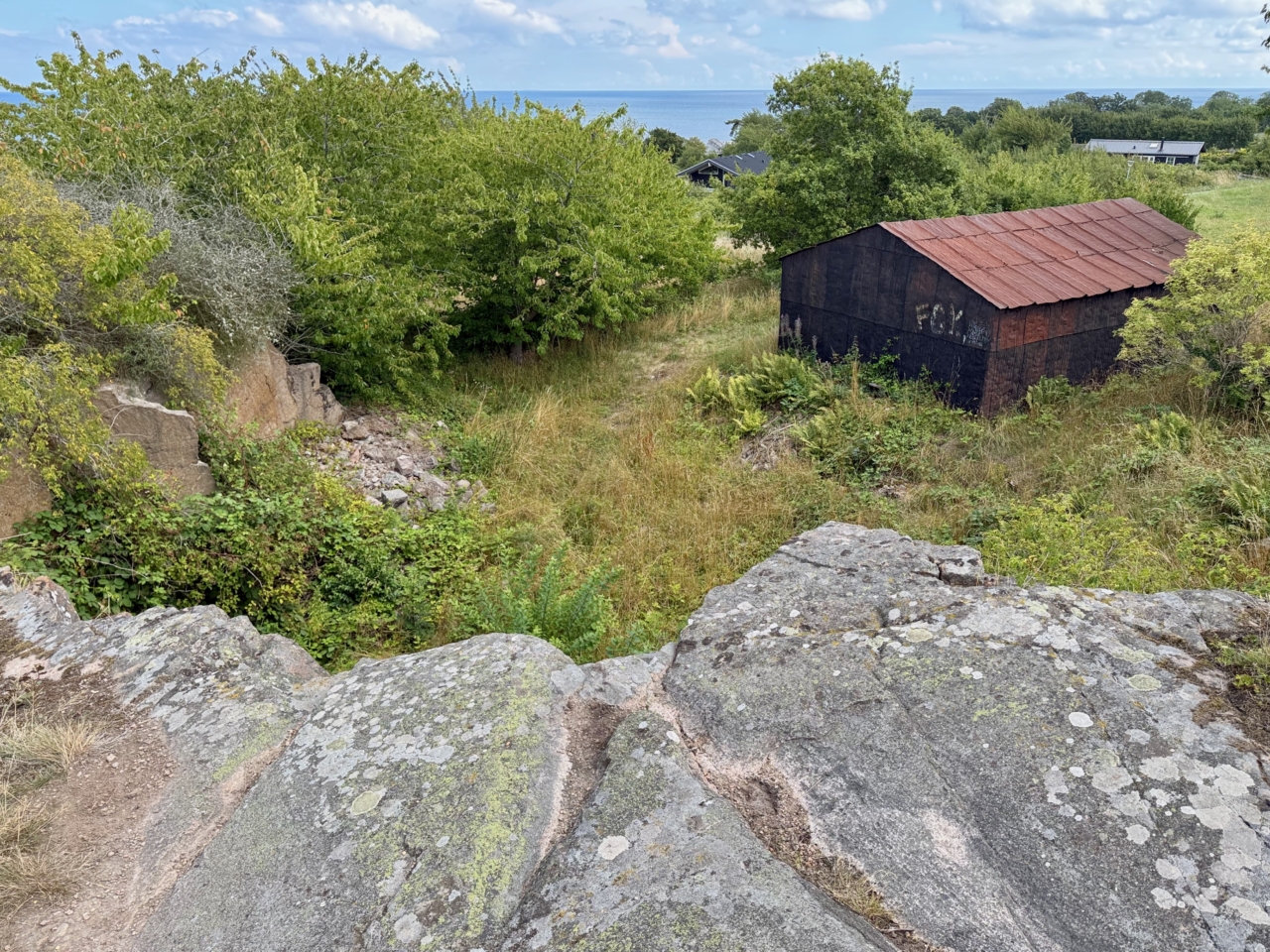
The rock carvings on the way to Hammersholm are recently discovered. Many more likely lie concealed or have become unrecognizable (Mogens Jensen mentions more ships discovered only recently when he slipped on the wet surface and caught sight of them in an unusually oblique view). As one approaches Madsebakke from Allinge one passes a great cavity in the granite. This was once two carved surfaces, again with many ships. They were removed with explosives in 1884 and 1893 by the landowner.

Actually visiting the sites makes it clear that the possibility of a phenomenological engagement with these sites-in-the-land, with “what was” in prehistory is both minimal and wrong-headed. Too much is simply lost and transformed. And what remains is metamorphic — changing with weather, erosion, entropy, as well as innumerable cycles of growth of leaves of grass, of the slow-growing lichens in the grain of the granite. So one might not come up with a story of the prehistoric past. Instead one might describe the details of a repertoire of scenarios that one might still appreciate today. It is the life of things that endures and remains with us now as an invitation to such a poetics.

Postscript August 11

But one may well ask — Enough of this talk about the way we encounter these fascinating remnants of a lost Bronze Age world — what are the carvings actually about? Ships carrying the sun across the sky in a long lost mythography of a Bronze Age religion?

Tilley’s phenomenological engagement with remains such as these carvings on Bornholm involved, for me, a tension between the necessary contemporaneity of our experiences of remains and their somehow belonging to a distant prehistoric past that we seek to know [Link]. Tilley’s bridge between past and present was embodied experience that the contemporary archaeologist shares with people in the past, but the past remained separate from the present, even as an exotic other land. As mentioned, the fascination with sites such as Madsebakke is often premised upon a will to know, to document traces such that they might be seen and known, such that the representations may be identified, the past-as-puzzle forensically solved (the crossed wheel devices as sun symbols, for example). My emphasis upon the poetics of archaeological engagement aims to bypass this tension in an argument that the past per se has no definitive meaning or indeed existence that we might seek to know, but that doesn’t mean people haven’t acted as if it does. A archaeological poetics does not entail a focus upon contemporary “reception” at the expense of the “past-in-itself”. It means that the archaeological project is not to tell stories of the past, but to work with remains, to make connections — to tell stories with and not of the past [Link to recent discussion about Lew Binford].


A journey round my father: methodological notes on an archaeological sensibility

This is a commentary on a recent post on this site – A journey round my father [Link]. It’s about the features, concepts, tools and techniques of a reclaimed archaeological sensibility that help us connect with a complex world in flux.

Bjørnar (Olsen) was visiting in the Spring when my father took another fall at home in the UK that marked the beginning of his passing and I left for England. Here in California we were focused on a longstanding shared concern — the neglected difference between archaeology and history. This is far from an academic distinction. Bjørnar and I, with others, are convinced that the matters are profound, with wide scope, and take us into the character of our being in this troubled world of ours. Times for reevaluating our relationships with the past. It is so fitting that my return to the north-east of England to handle my father’s death, his funeral, and the aftermath of the home that he left behind, clearly affirmed to me the vitality of this distinction between the historical and the archaeological.

At his funeral I gave a graveside account of the outlines of his life. A kind of history. A kind of story. A twentieth-century life that witnessed war, class tensions, industrial decline in an outlying region of what was once an imperial nation state. A political economy encompassing the agencies of landed wealth, business interests, and an industrial working class — backdrop to the experiences of my parents adapting and finding their ways through home making, work, family life.

In such a history, one looks back with hindsight over life and times lived, over what is past. Summarizing, finding a story, making sense.

But there was so much more. Of course. Embodied in remains of everyday life. And what are we to do with them?

In contrast to such a history is an archaeology. My portfolio of images of my parents’ house, annotated with memories my father shared with me in the last years of his life [Link], offers a milieu of mediation, a habitat, a gathering of things tangible and intangible, a collocation of times. Archaeology is here and in-the-now conceived and operated as working with remains, as archaeology and not as an historiography that writes an account of times past.

Let me elaborate.

Archaeology is not history

In small things forgotten” is the title of a book by James Deetz published in 1972. In it he makes the case for an historical archaeology, where the small items of everyday life can be used as evidence for writing history. He borrows the phrase from a 17th-century probate list where it appeared as a summary description attached to the valuation of some miscellaneous items once owned by the deceased. Left-overs of little value, not worth listing individually, thereby forgotten. For Deetz these things are historiographical treasures. While he may be taken for an advocate of a history of the everyday life of ordinary folk, small everyday items, forgettable (except for their probate value), are the means for Deetz to construct grand historical narratives. His historical archaeology delivers stories of everyday life swept up and left as debris in ever-so-familiar grand historical narratives of colonial America in the seventeenth through nineteenth centuries — where the forces and structures of history impose themselves on ordinary folk and their everyday lives.

“In small things forgotten” is such a resonant phrase. Suggested is so much more than that intended by Deetz. Matters of memory, of the overlooked, of minutiae, of vital matter. 

In their book Persistent memories: Pyramiden — a Soviet mining town in the High Arctic (Tapir/Fagbokforlaget 2010) Bjørnar Olsen, photographer Elin Andreassen, and Hein B. Bjerck present an archaeological encounter with the remains of a mining town in the High Arctic archipelago of Norwegian Svalbard. A remarkably abrupt abandonment in 1998 created a ghost town packed with everyday left-behinds. The book is an expression of a fieldwork visit made to Pyramiden in 2006.

Photographs of the abandoned site and buildings lapsing into ruin are accompanied by a textual commentary that delivers lapidary insights into the actuality of the past, the conjunction of enduring remains of the past with encounter now. In this, Pyramiden explores an archaeological sensibility by mobilizing Walter Benjamin’s concept of dialectical image, refreshed and revitalized in this visit to a post-human margin, a northern edge [Link].

An historical narrative of Pyramiden might feature the mining company and matters of Soviet planning and investment. Such a history of the site is not what one experiences in an archaeological encounter. Encountering the ruin, the detritus of the ghost town, sketches a different face to the history of the Soviet Union here in the north. This is so evident in Pyramiden’s portfolio of photographs. Immanent in the architectures and everyday artifacts are the gaps in the conventional historiography. They do not refer us to a continuous narrative at all, but by remaining they bring to presence, they make tangible the mess, the noise, the discarded hopes of a past largely forgotten. This is a kind of Proustian untimely and involuntary memory that bears witness to what is usually left out of the grand narratives of history fabricated by those who would have us believe in order and coherence.

If we are (archaeologically) attentive, we will find no historical narrative here. What sense would it make to disentangle the wonder-ful assemblage he created, curated, cared for? To sort things into date and sequence — and then what? He loved history, explorations of times distant and close, familiar and strange. Yet, like most of us, he was less an historian and more of a temporalist in his collage and montage — katachrestic association, sometimes surreal: marlin spike, cat ornament, holiday photo in Cyprus, a box of medical prescriptions, historical novels, an old miner’s lamp. Fragments remain and prompt, as we look again and forge new associations, articulations. Mingled milieux. An apophenia that looks beyond illusory identification into creative association — dialectical image.

An archaeological sensibility challenges the rationalization of historical narrative that abstracts and reduces the textures and polyphony of everyday experience to a particular plot of characters and agencies. Such narrative typically naturalizes the interests and perspectives of those who author and support the narrative. This is a commodification or an alienation of historical experience. One can feel excluded and alienated from such histories. My parents did. I do. Through interruption, juxtaposition, montage, disruption of temporal continuity, just as I found in my father’s home, an archaeological sensibility and imagination can manifest the inalienable agency of the overlooked and forgotten. And evoke, inspire.

This is something of what I have attempted in this itinerary around my father.

Archaeology before-history, pre-history, more-than-history.

Archaeological times — memory and actuality

For Laurent Olivier (in Le Sombre Abîme du Temps: Mémoire et archéologie, Seuil 2008), archaeology is memory practice. Walter Benjamin took this view in his opposition to what he called historicism. Archaeologists work with what remains. In contrast, the historicism of historiography would have us focus upon what happened in the past. What Benjamin identified as historicism is concerned with the past that happened-as-it-did. So conceived, the past is a transcendent origin, a past-for-all-time, unchanging (how can one possibly change the past?!)

As a species of memory archaeology strikes up connections between past and present. Something found, a site, a room visited, might prompt response, reflection, action in the now and perhaps for the future (one might wish to record and preserve, for example, or change a course of action in the wake of an encounter, a re-collection, or choose what to discard and let go). In archaeology there is no static baseline, no fundament, no fixed and unchanging origin, such as the past, no continuities, nor universal stories of progress from past to present, except those that we fabricate. There are but ever-changing remains. A feature of remains is non-identity — an archaeological find, a memory object is NOT the past, not what it was, has been (or is). The archaeology of things involves discontinuity and actuality — past-present articulations.

While the past is immanent in remains, in archaeological things, it is active, dynamic, and vital. Features of the actuality of archaeology, its character as memory, are hauntings, returns of what may have been repressed, forgotten, overlooked  — past-present articulations.

My father’s house — a haunted place.

Let me expand on this critical distinction between history and archaeology.

Archaeology is actually a specific future-oriented way of working through things. This is, perhaps, counter intuitive: typically archaeology is associated with study of the past, like history. But we can follow Ewa Domanska and consider how archaeology can only act upon the past as a contemporary (and therefore future-oriented) pro-ject that aims to recover, conserve, preserve what is in the process of being lost through decay, neglect, abandonment. What was I to do with what my father left behind?

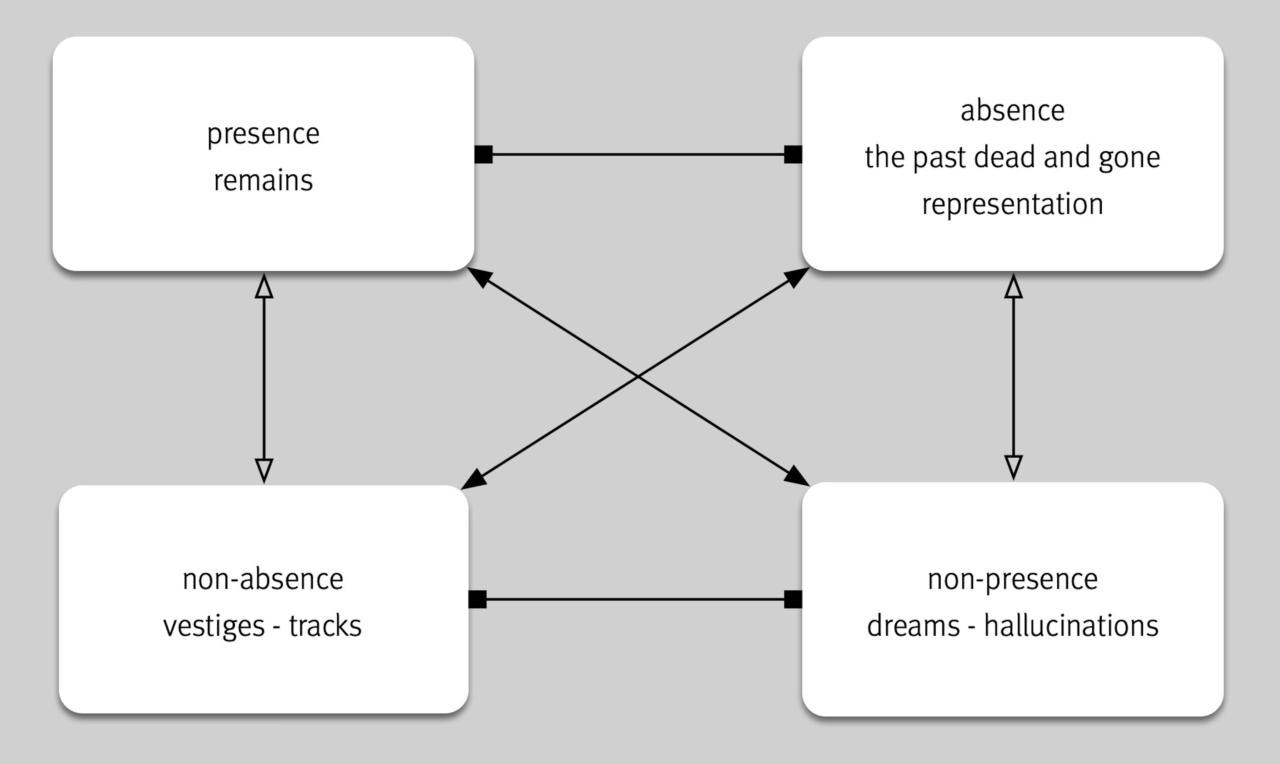
Consider this diagram which aims to summarize the dynamics of presence-absence in an archaeological sensibility. Begin with a pair of opposites: the remains of the past in the present, and the absent past to which they refer; call them positive and negative terms. Add to these their contradictions, the non-present (a negation of the positive) and the non-absent (a negation of the negative). Consider what these different terms are in relation to each other.

The absent past may imply that it is non-present, but these are not the same thing. The material reality of the past, the primary positive term in the diagram, consists of remains or traces in the present. The absent past to which they refer takes the form, typically, of the representations of the past that we construct on the basis of these traces; these might be catalogs and descriptions of the remains, or models and narratives.

In contradiction to material traces are non-present forms, conjectures or hallucinations that have no material reality or basis; clearly these are not the same as representations of the past, though they may appear to be. In the bottom left of the diagram is found the contradictory term of an absent represented past, the non-absent past, implied by presence, but not the same. A vital feature of the archaeological past is not that it is absent or non-present, but that it is non-absent. 

What is this? How can the past be non-absent?

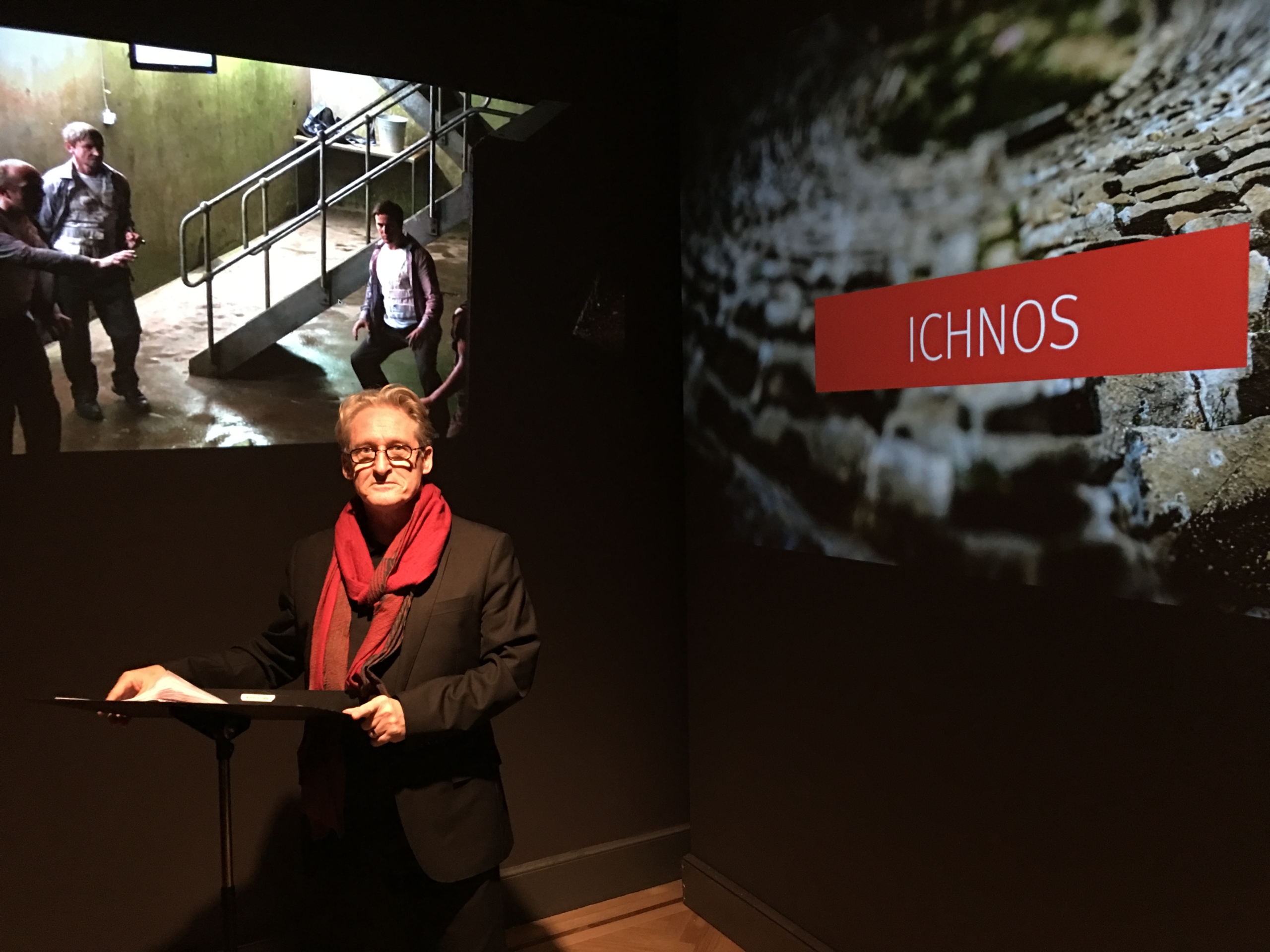
A footprint is a mark on the present that has lingered, made in the past. The non-absent past is the impression made by the past on the present: the Latin term is vestigium, vestige; in Greek ichnos, track. The non-absent past is actually very familiar; it is the past that comes back to haunt. It is Freud’s notion of the uncanny:

Uncanny is in reality nothing foreign, but something familiar and old-established in the mind that has been estranged only by the process of repression. This reference to the fact of repression enables us furthermore to understand Schelling’s definition of the uncanny as something which ought to have been kept concealed but which has nevertheless come to light. (Freud, 2003 [1919], 148, translation amended)

The non-absent is ghost-like, a sign left by somebody or something that was once present, but has passed and is gone, lost: a phantasm. This archaeological or phantasmatic reality (as Ewa Domanska calls it) is one rooted in future legacy. The footprint or vestige is not like a trace, a material presence; the vestige will haunt, when it is found in the future and then witnesses the passing over of what is no more. Its time or temporality, therefore, is neither purely of the past nor the present, nor the re-presented past; it is the past-as-it-interrupts-the-present. The Greek term for such time is kairos—the moment of discovery or opportunity, when the past flashes up in the present and prompts reaction. Another term for this kind of time is actuality.

This is what I experienced in the return to my father’s house after his leaving, my parent’s house, whence I had left in 1977.

Times emergent

In historiography, time is typically conceived as container, filled with things, events. In contrast, our (archaeological) experiences of things engender time itself.

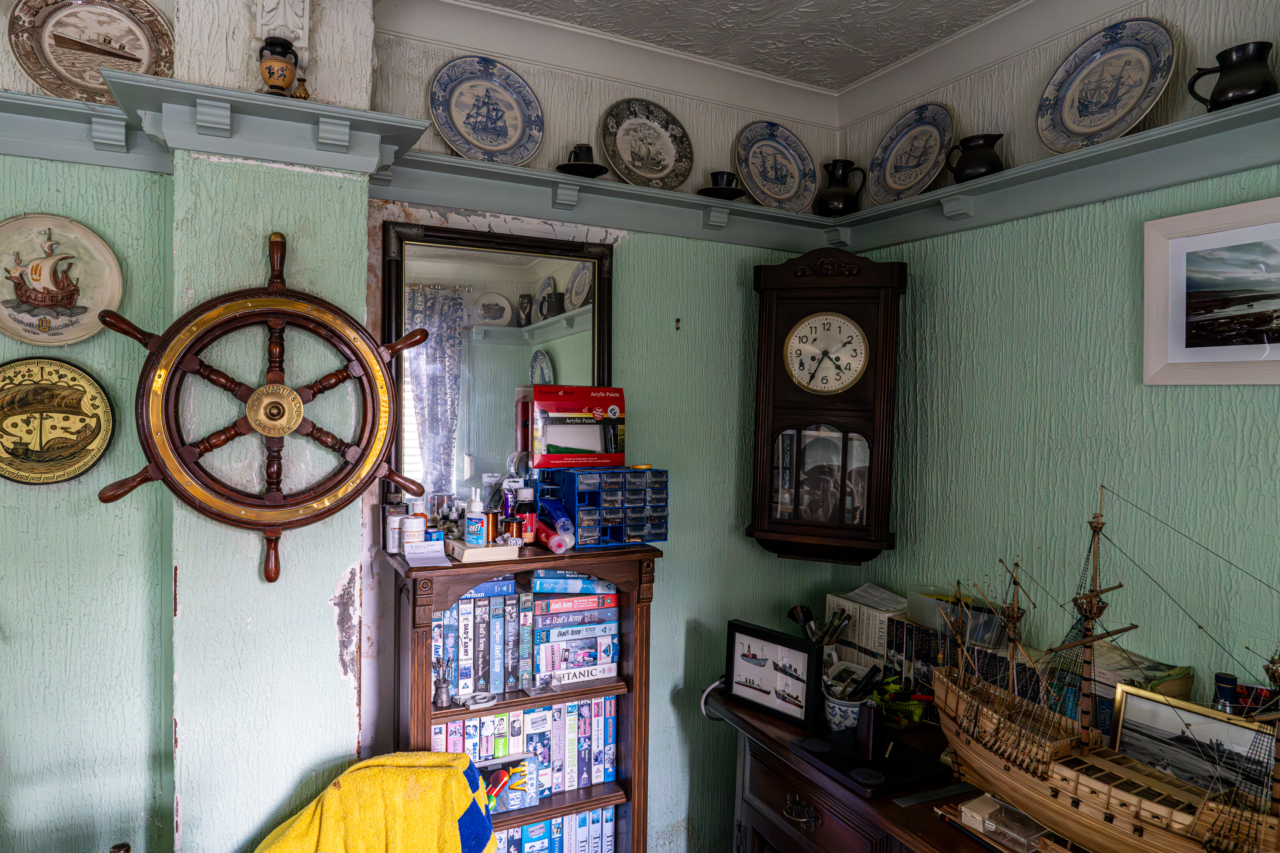
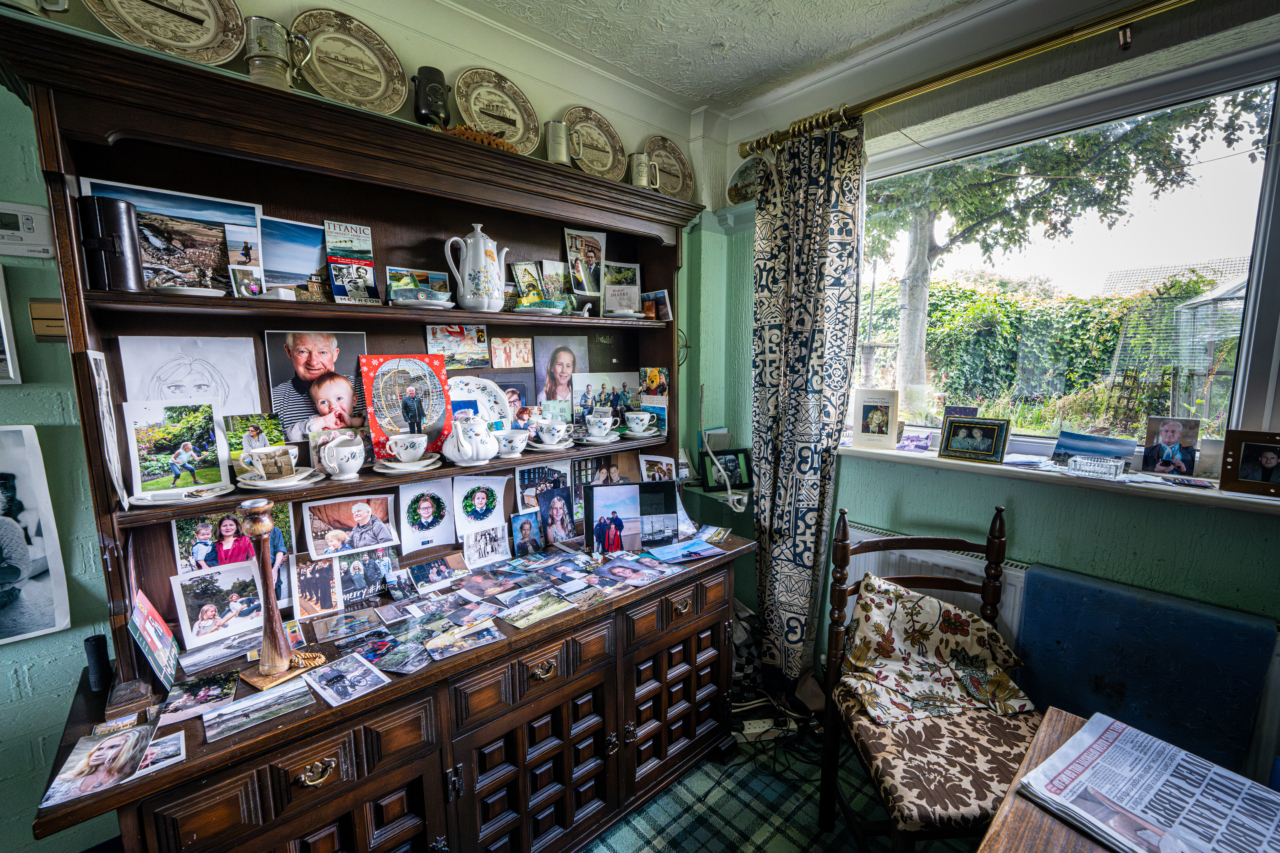
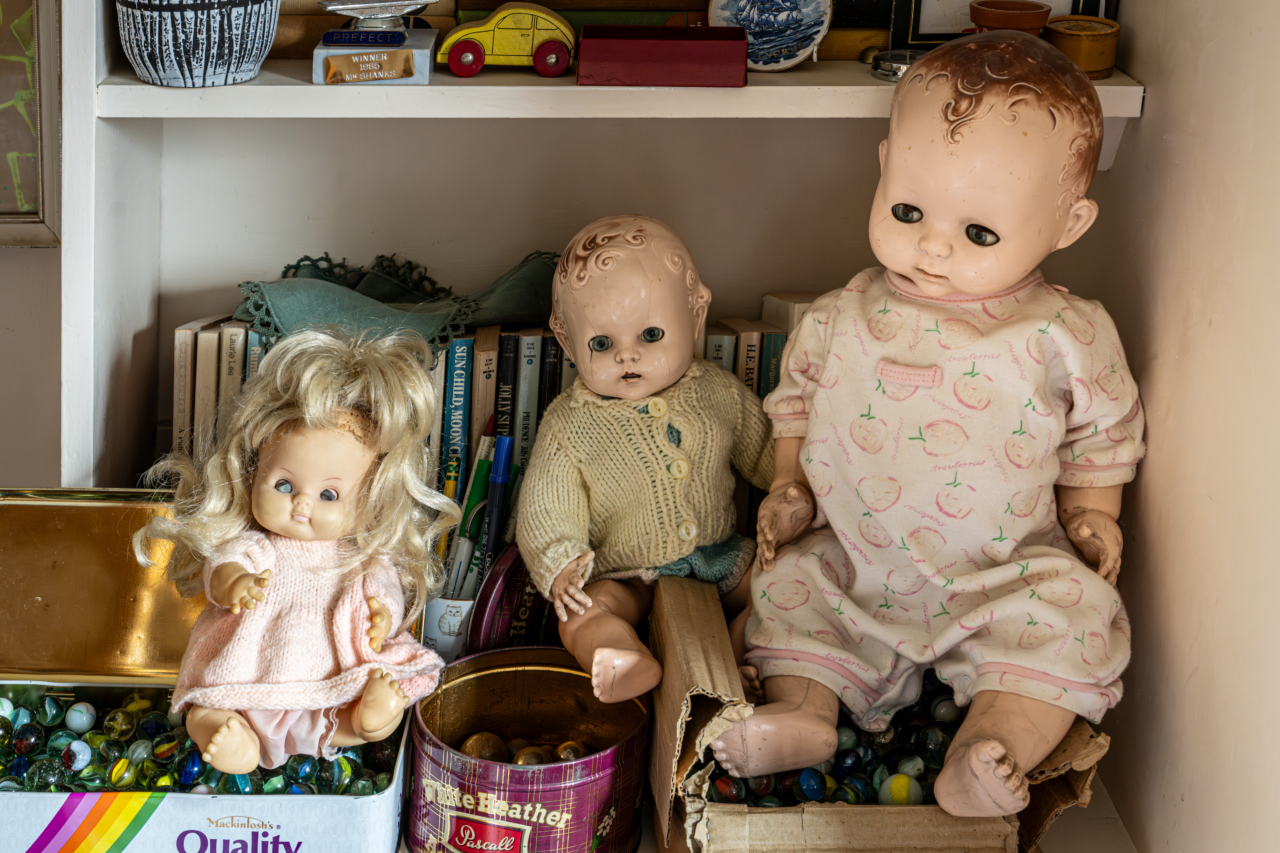
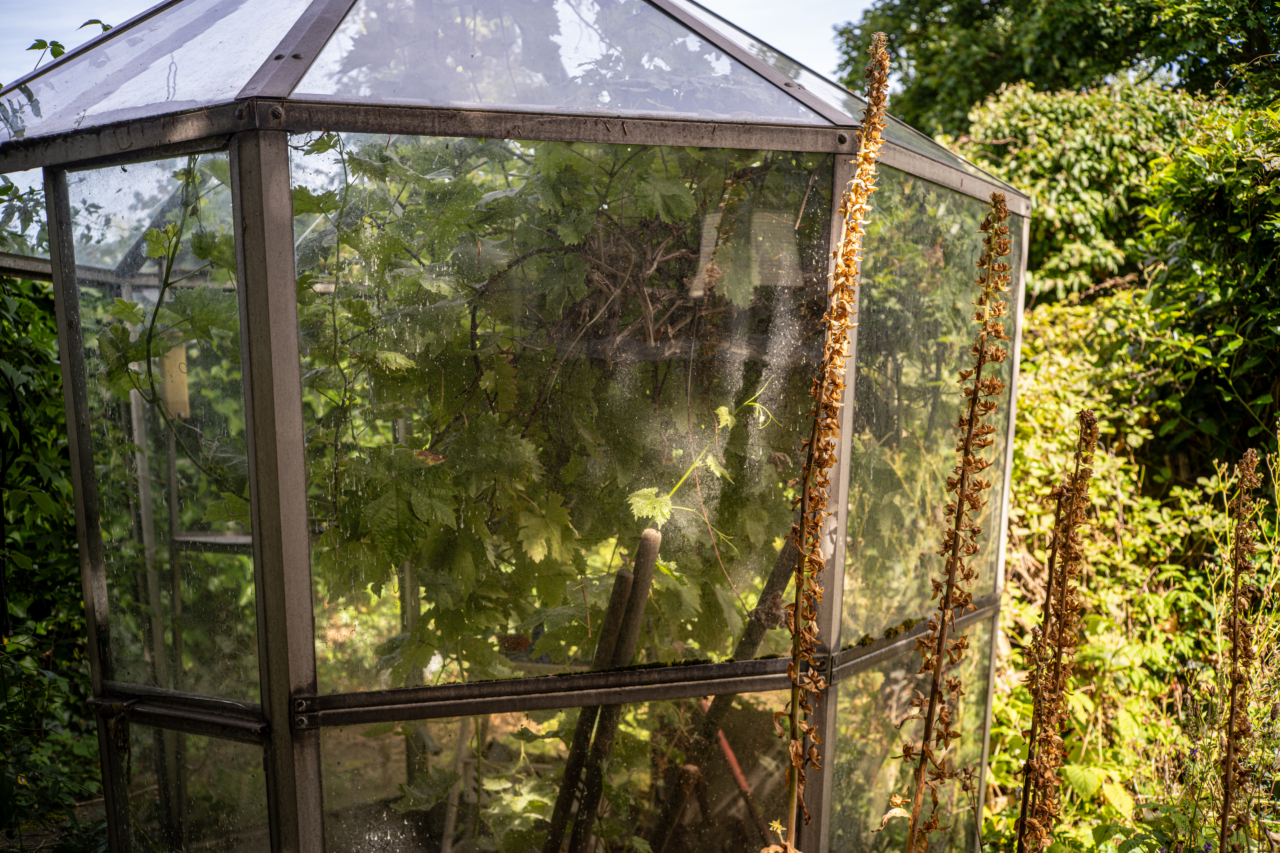
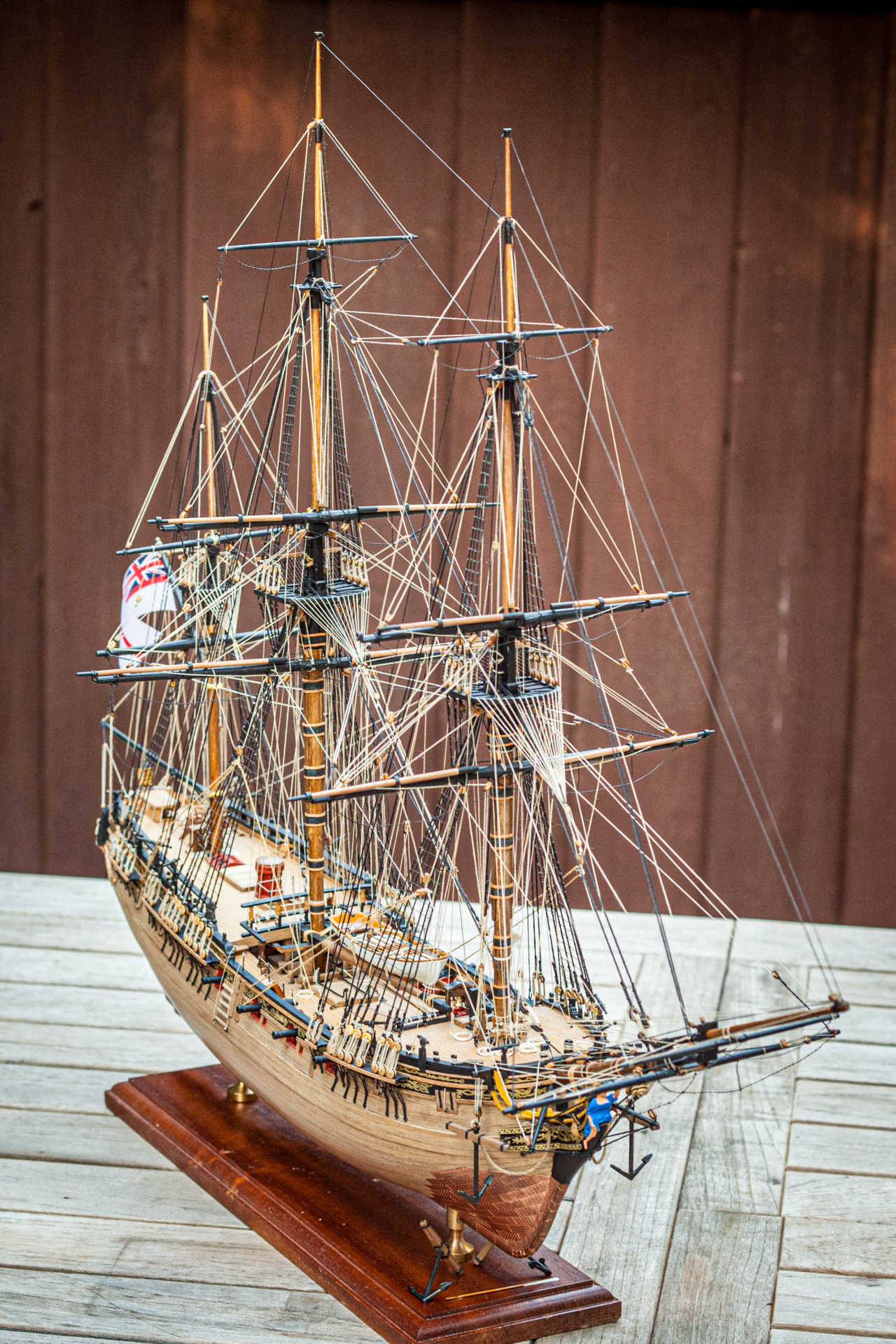
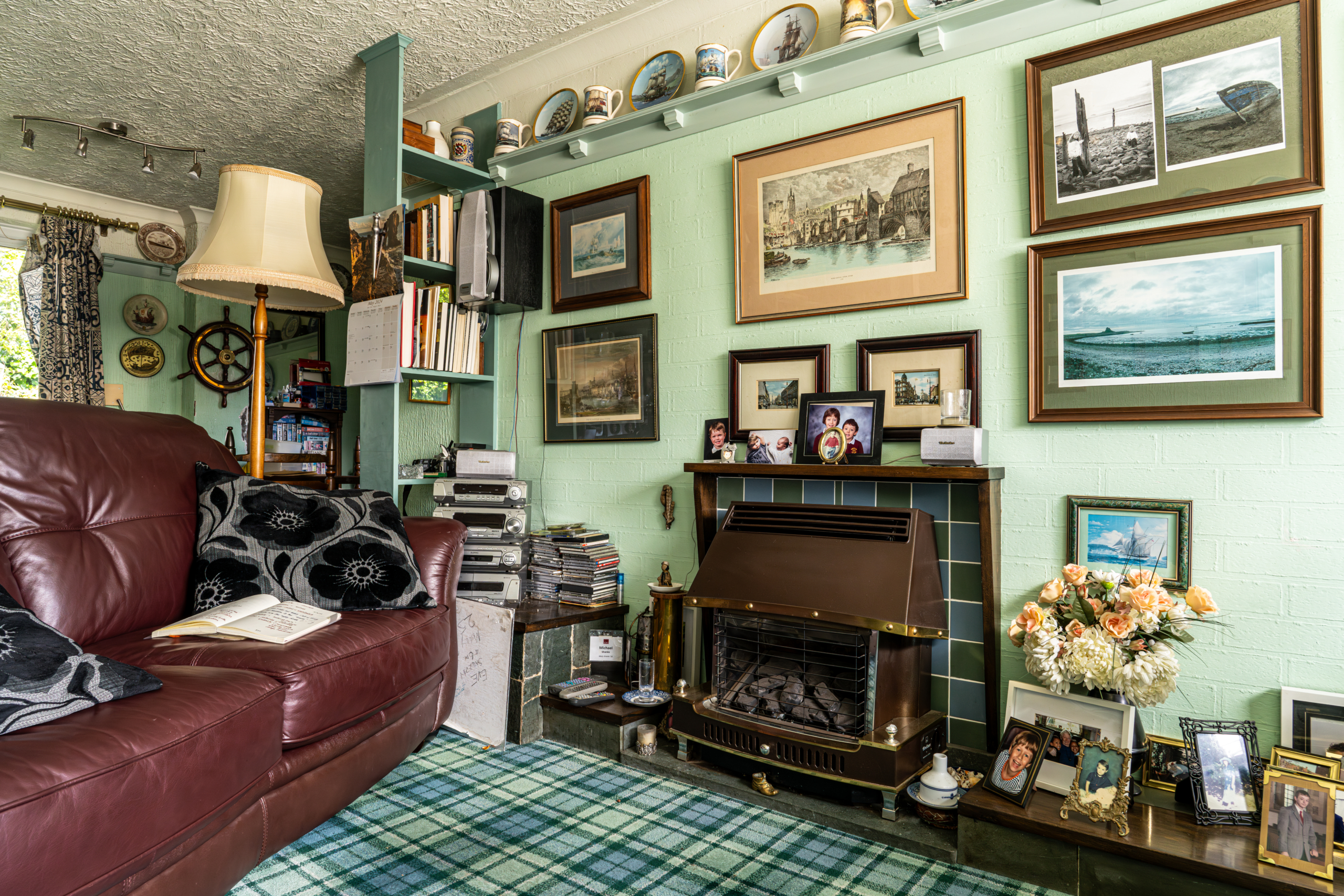
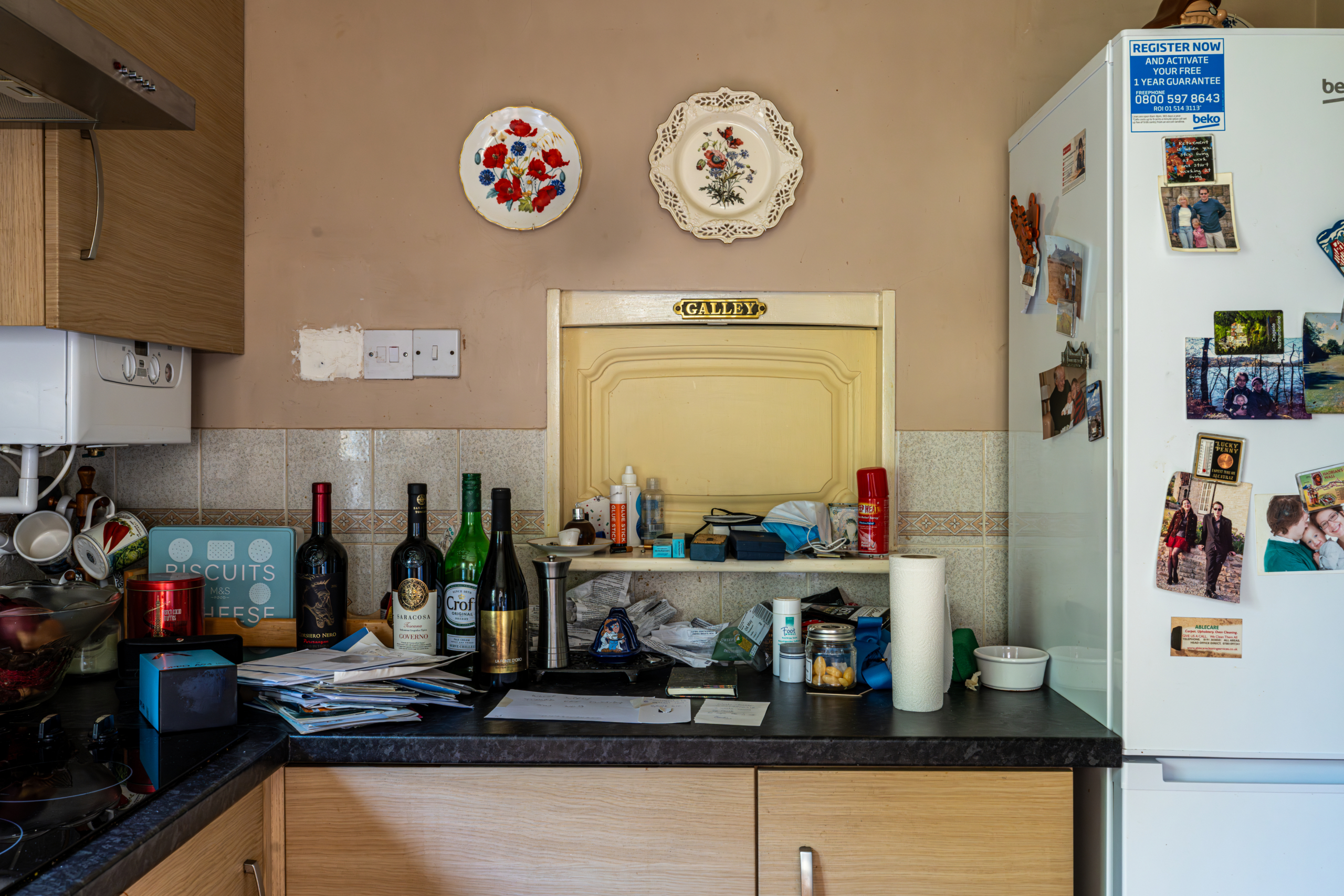
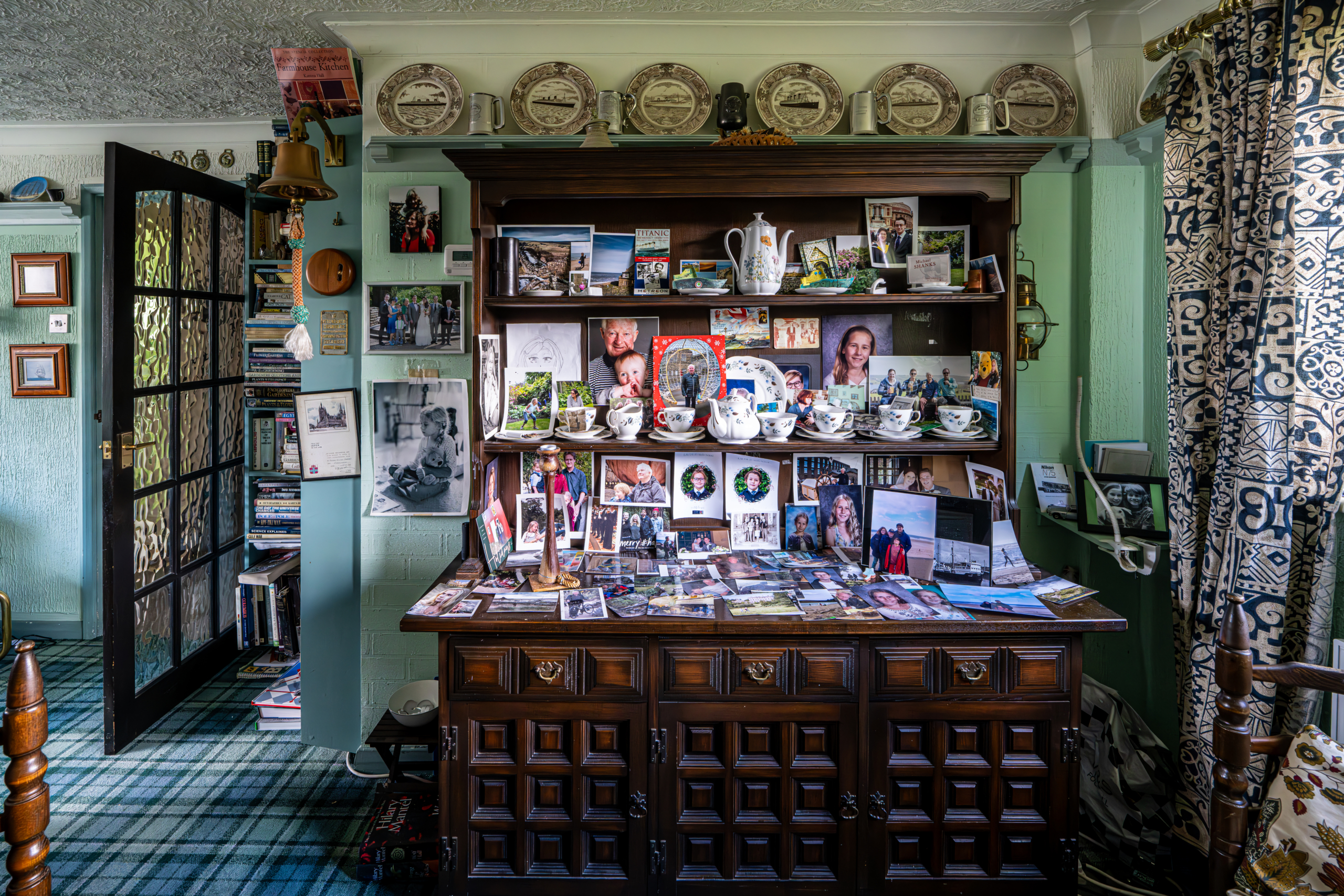
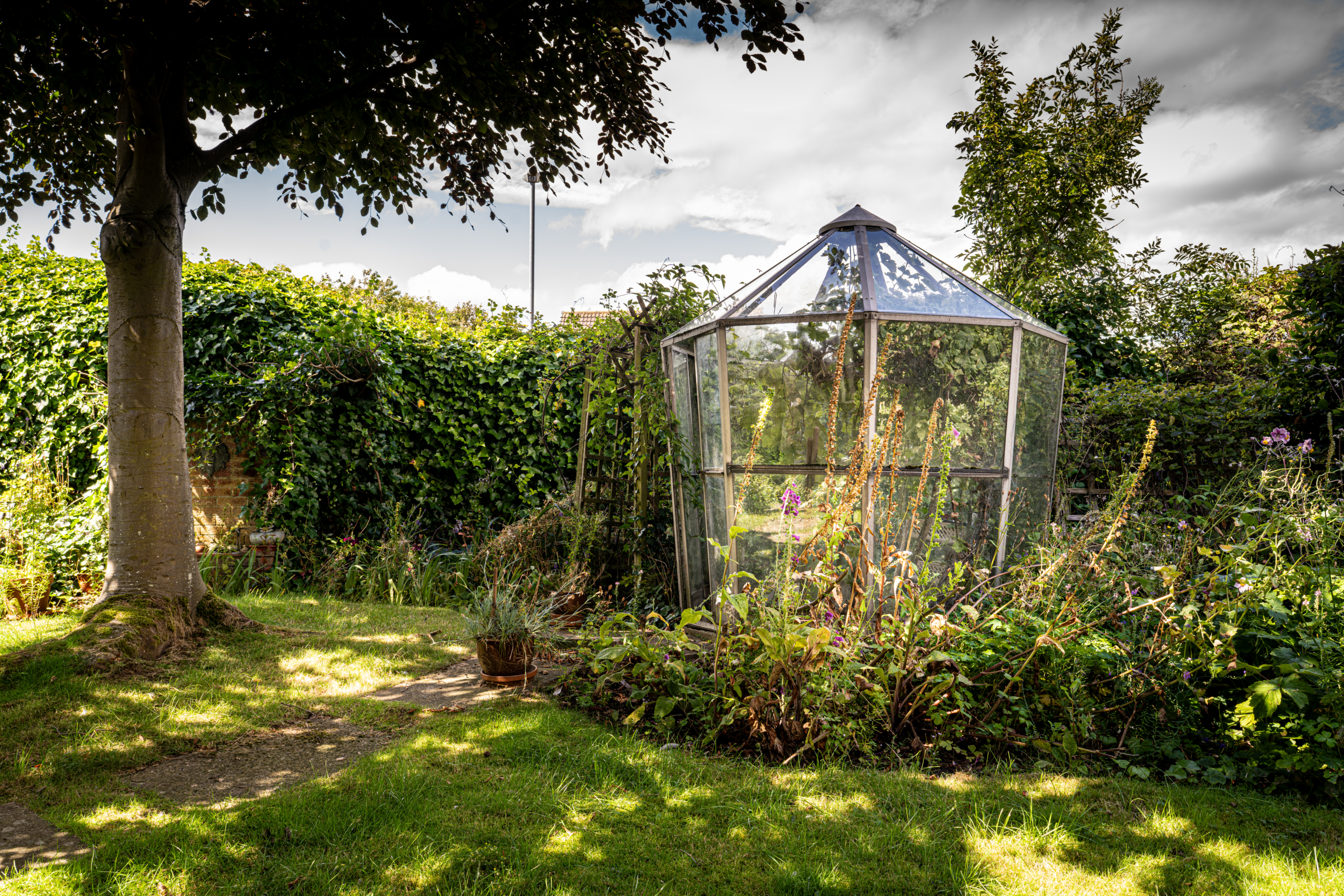
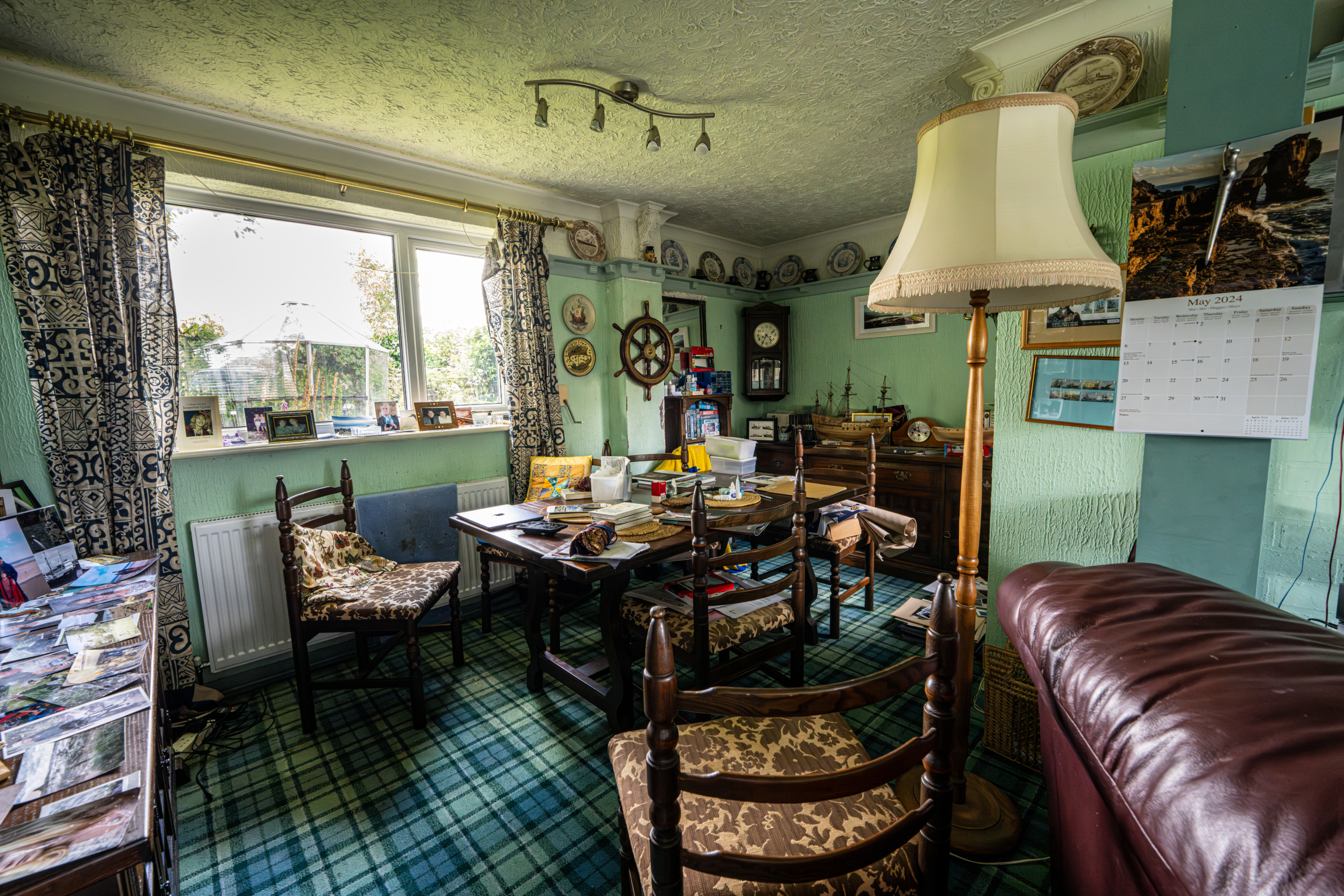
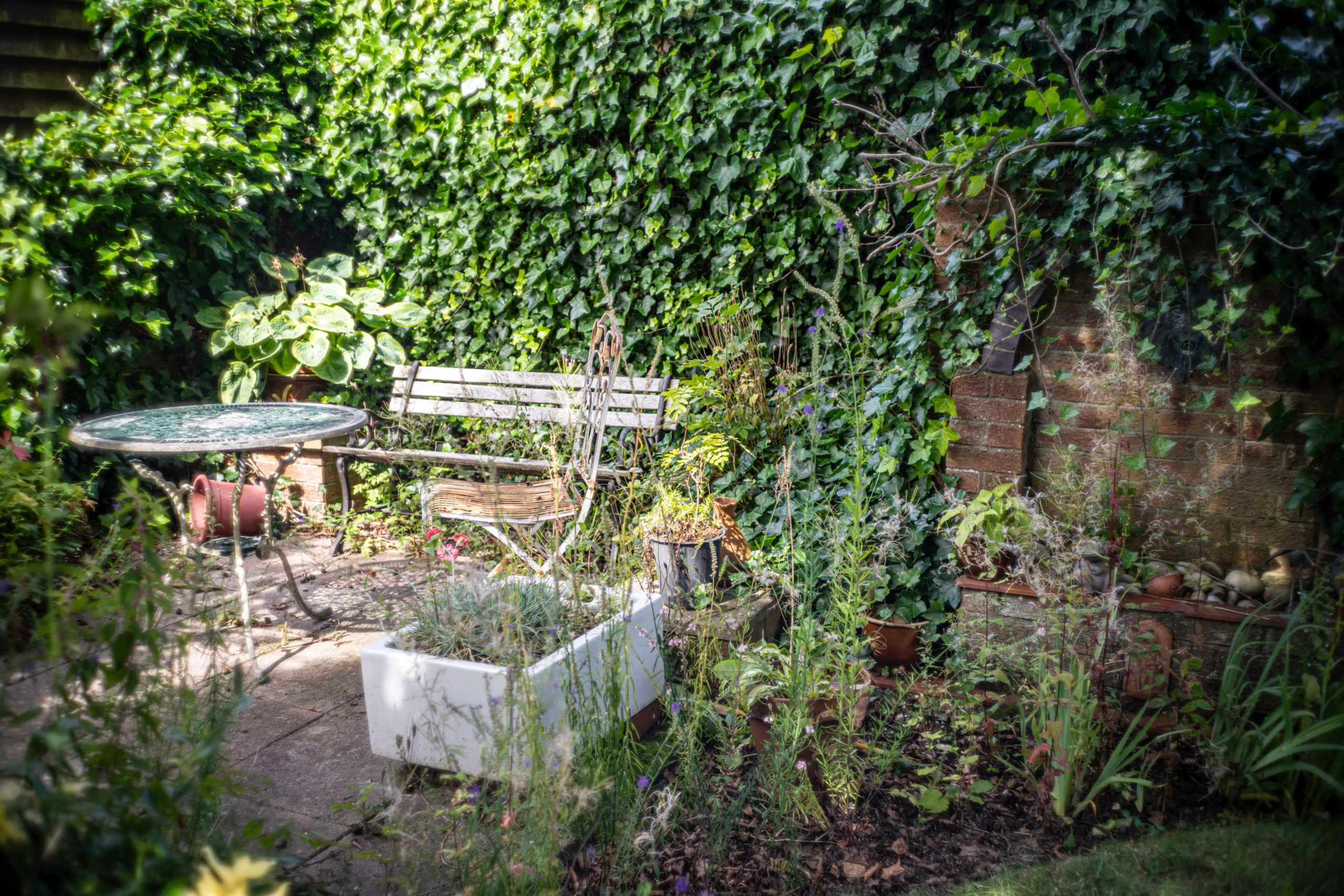
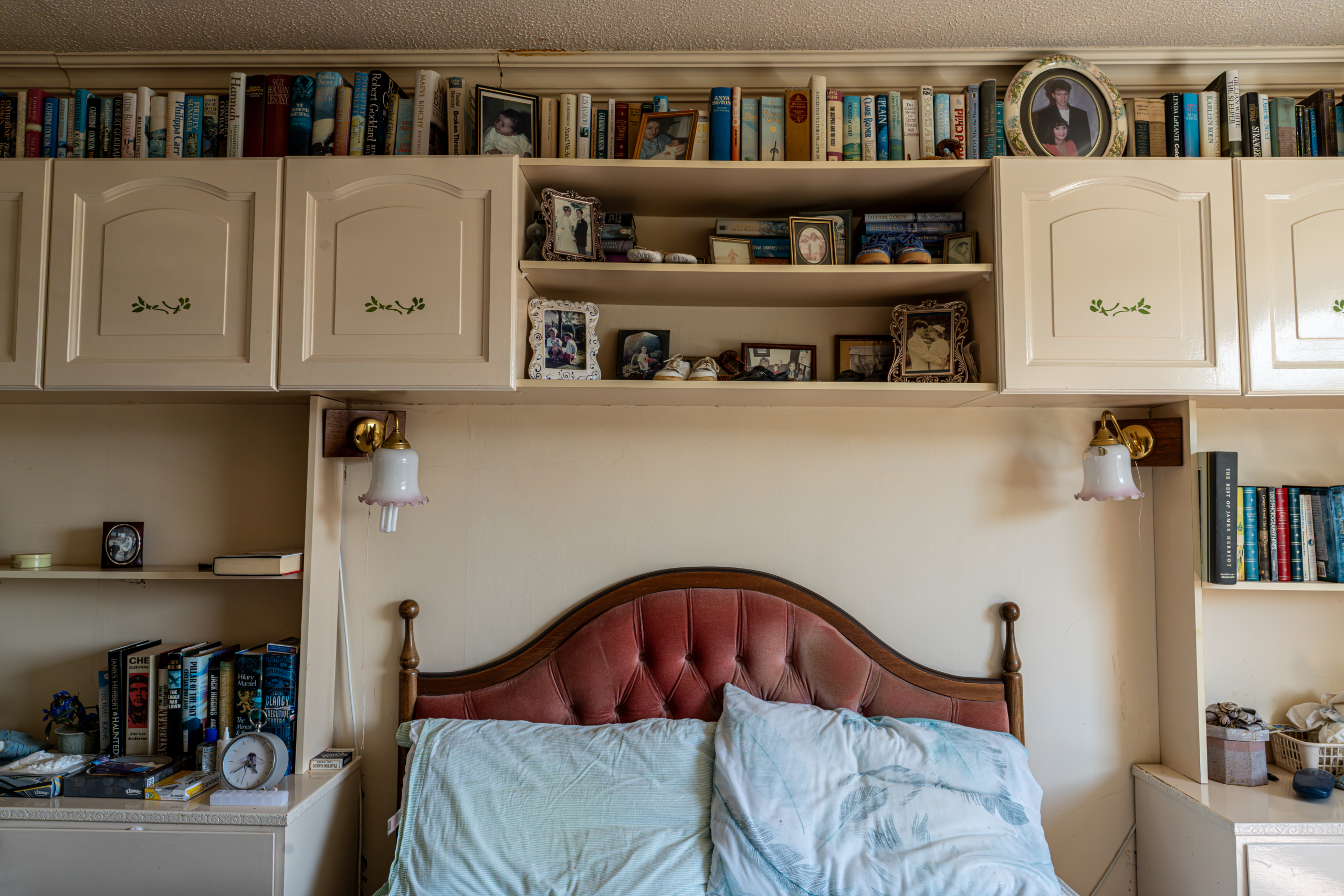
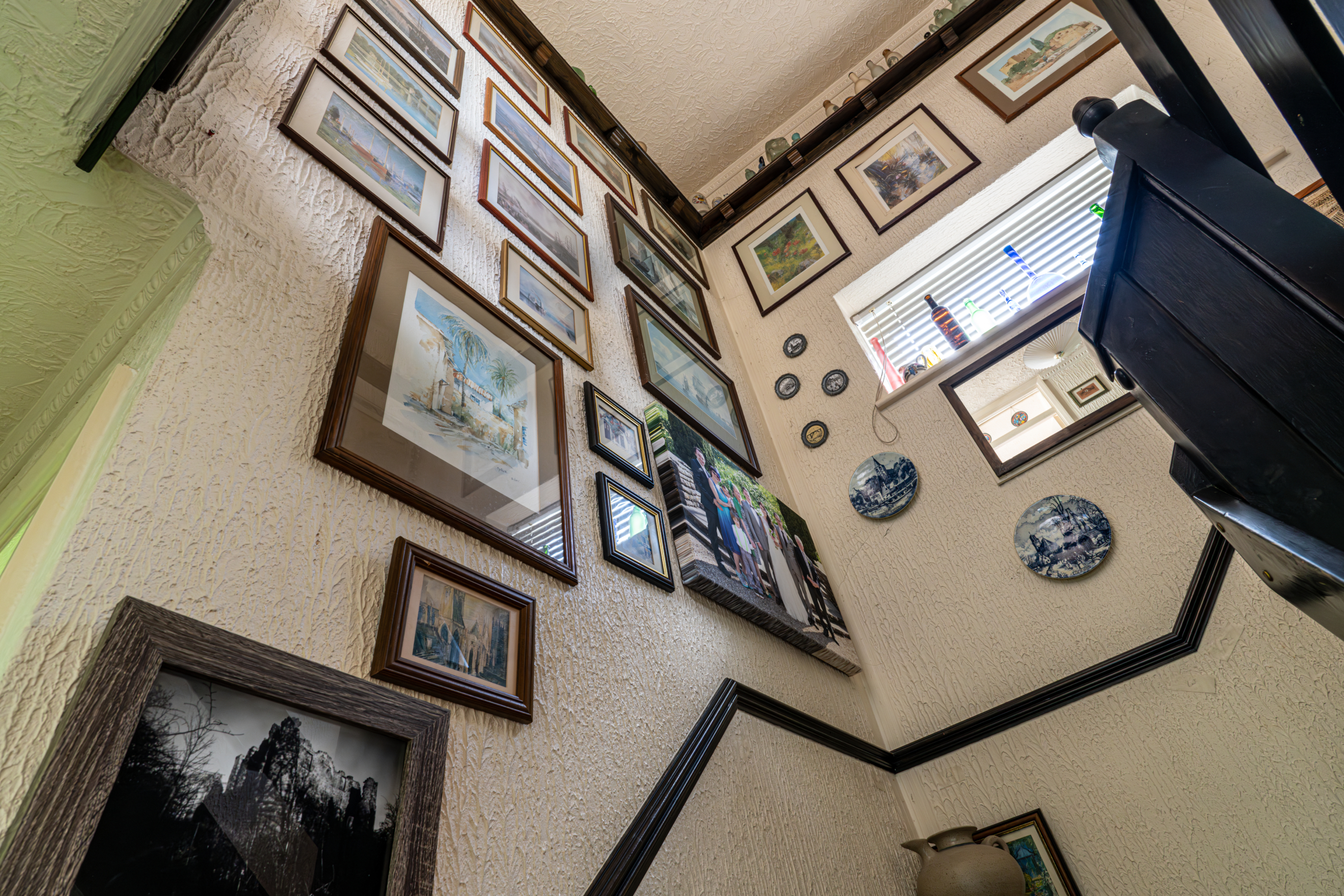
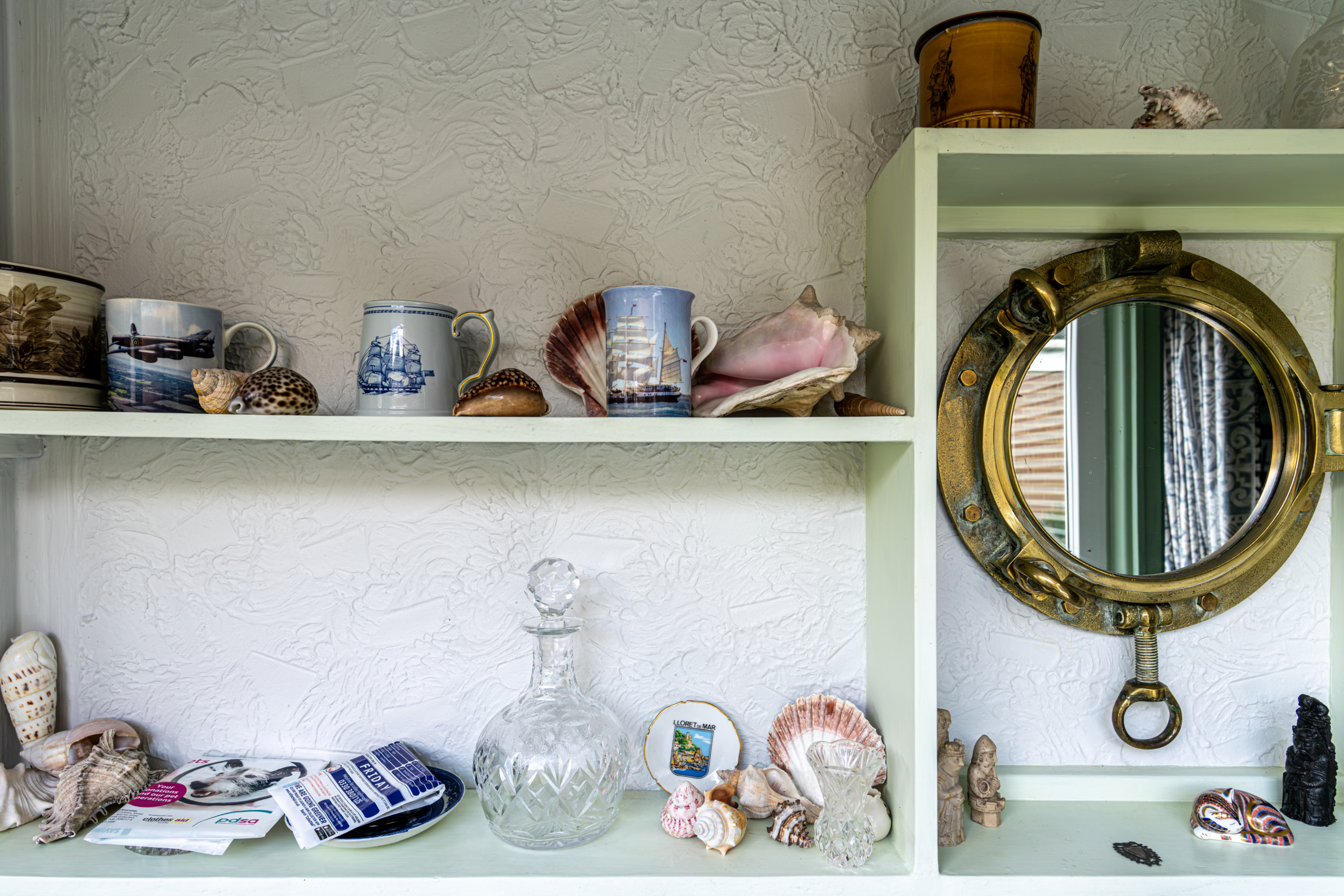
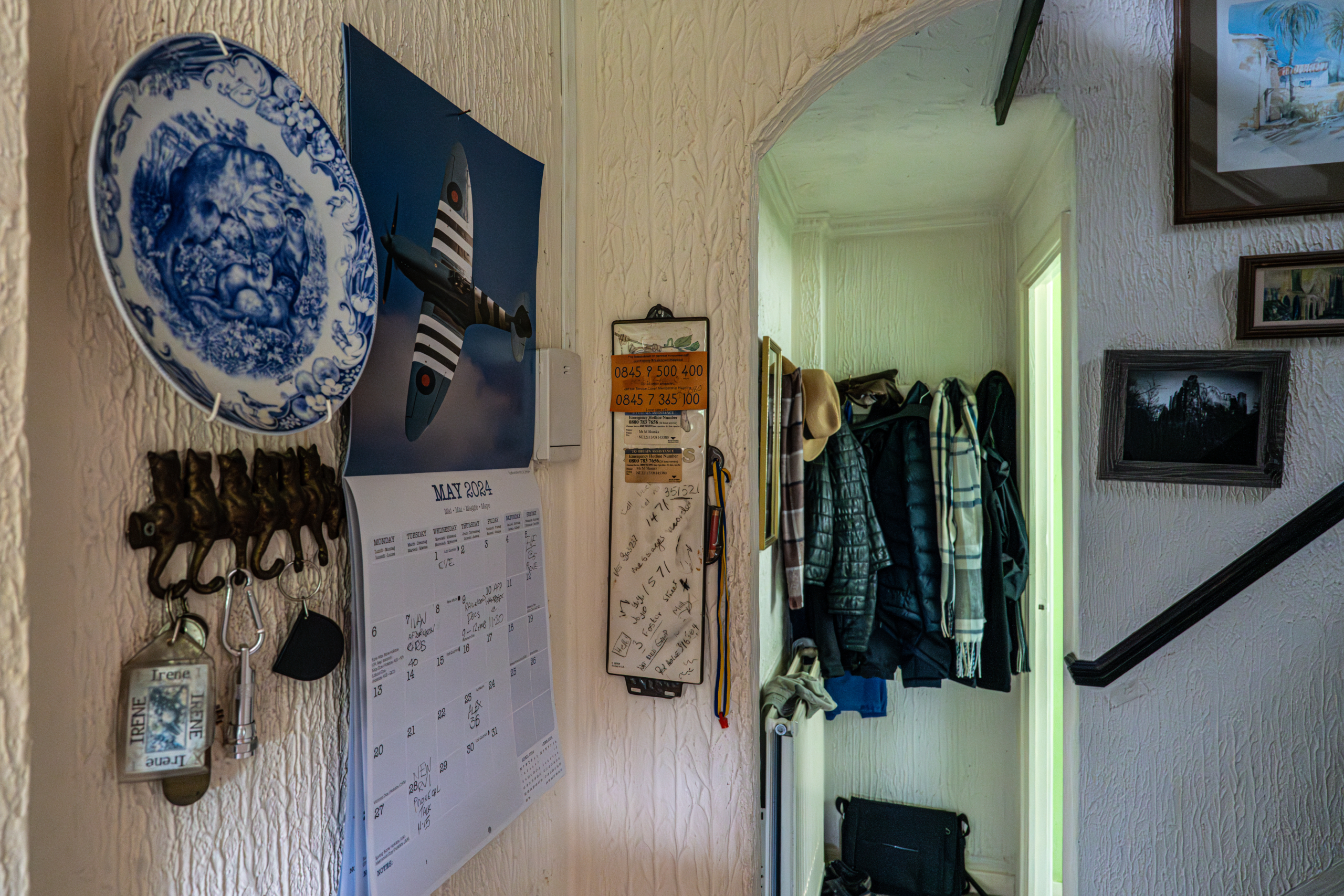
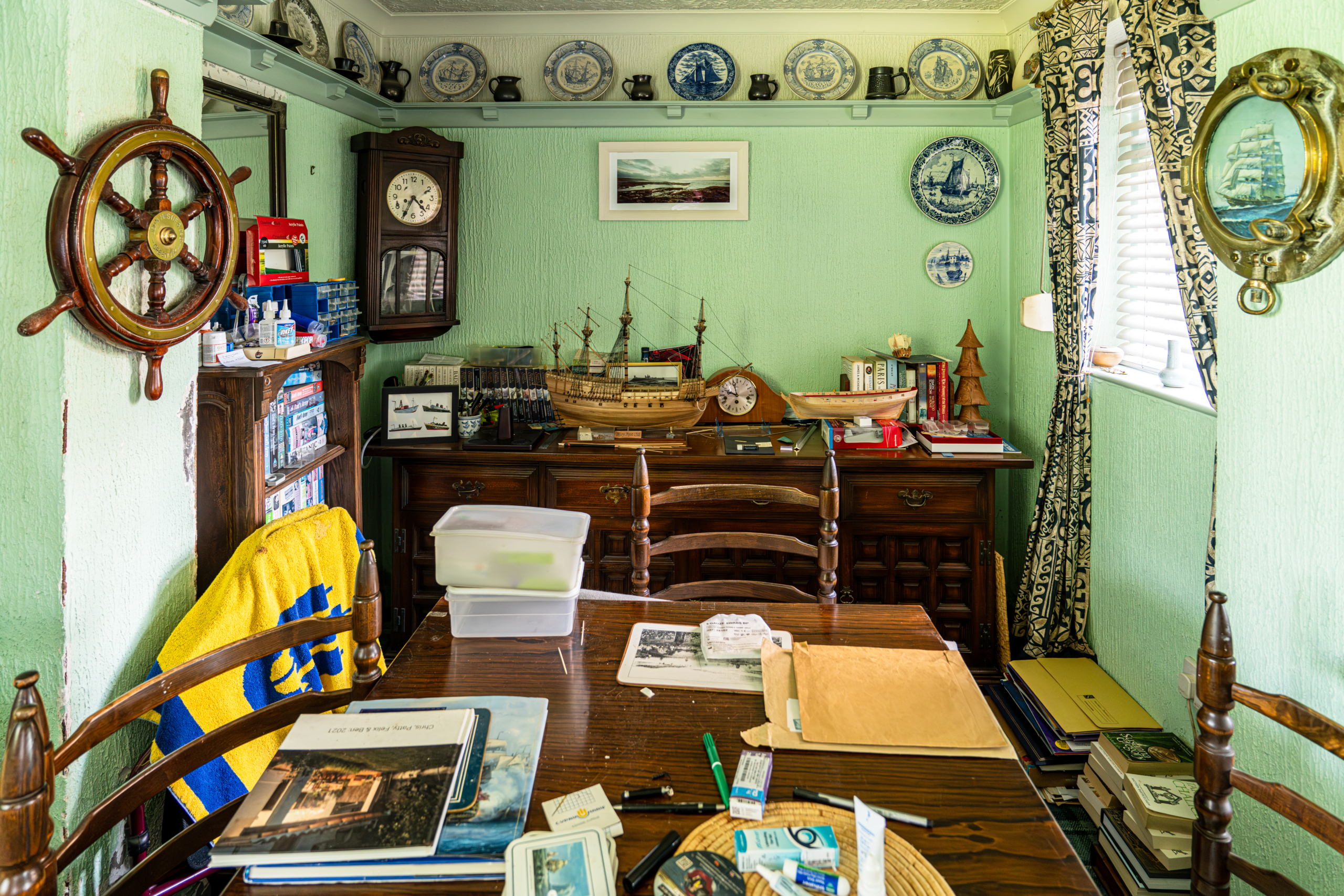
In the rooms of the house left by my father, the gathering of things now prompts. A model-in-the-making and yet to be realized, a care-worn garden with an old vine in a shattered glasshouse, a calendar of anticipated events on the wall, records kept of prescribed medicines, photos of moments spanning decades and many places, curated cared-for memorabilia, upcycled ship’s parts, a standard lamp of style circa 1960s, CDs and DVDs ranging in date of manufacture from the 90s to the present, in music and film from medieval to contemporary 2024. And more. 

I return, and the gathering of things, not unfamiliar to me over the years, and offering many items that connect with my own memories, prompts engagement. That might suggest scenarios — holidays and trips to see us in California; old photos of friends I do not recognize. Time is only incidentally evident here as sequential date (immersed in his home, I actually cared not about exact dates). Instead there is mélange, fluid and bubbling, percolating, intermingling specific temporalities. The ephemeral receipt, the heirloom clock — these are horizons of discontinuous actualities, then AND now. This next to that. And with reference to what? His memories, their associations. My mother’s too, now long gone 25 years since. They are more than he ever made of them; they are not just traces and vestiges of other experiences but things that hold their own pastness and possibilities, potentials and futurity. What becomes of what was.

In this they are more-than-human memory; they are transgressive, unlimited, uncontained. The gathering is irreducible to definitive attribution. It’s an archive of sorts, testament to accumulation and duration, overflowing with potential, if one chooses to pay attention and seek the associations. Vital and animated. And it is fragile, fragmentary, only ever temporary. This is not a past-for-all-time. Nothing lasts in the end. The gathering will disperse, be dispersed — family members have made their choices and have already taken things away; there will be gifts to charity, house clearance, recycling, landfill.

There’s always more

More-than-history. More-than-human. More to say.

Through the archaeological imagination we see into the life of things.

In Archaeology at Home: notes on things, life and time (2022), Hein B. Bjerck writes of archaeology in a contemporary past, an auto-archaeology of three homes and their remains, things and people gathered, as I have been describing.

A highlight of his book, for me, is a glossary list of the humans and non-humans in his book (page xix- xxiv):

Alma Charlotte Liseth (1906–1997), the wife of Nils, my maternal grandfather.
Alpinist, not asked much about what he really saw along the track.
Among Wizards and Cannibals, the title of a book Siv gave her fiance Rolf for Christmas in 1952.
Animal Planet, a TV channel that my father cherished watching.
Animate vs. inanimate, living vs. non-living entities.
Anna and Abraham Terdal, former owners of the farm with our family cabin.
ANT, Actor-Network Theory, demonstrating the active intermingling of humans and non-humans.

Ball-shaped lamp that Karl Ove Knausgård suddenly noticed on his desk as he returned from Denmark.
Bananas, the seven spotless bananas that my father left when he passed.

What a gathering! So heterogeneous, and so comforting in its unexpected familiarity. And indeed surreal — this is reminiscent of Daniel Spoerri’s Anecdoted Topography of Chance, an archaeological exploration of things on his desk, compiled first in 1966, and later re-anecdoted. There is no end to it.

Hein has much to say about such assemblages.

In this book, I will elaborate on three case studies. They are all related to homes that have been near and dear to me, homes that at present are disrupted and abandoned; they are silenced thing-regimes left by their people. ‘Homes’ are thing-regimes that rule over and are ruled by humans, a special and very common human-thing collective – ‘homes’ are ‘machines’. (page 28-29)

Bjerck wants to call these gatherings ‘machines’. He takes this from Levi Bryant, a philosopher who debates ontology, the being of humans and things. Machines are indeed assemblings of discrete parts. But to me this is a poor metaphor because it sidesteps the delicate provisional, dynamic, fragile, incomplete, accidental, incidental character of that gathering in my father’s house.

A machine? No way! My father’s (re)collection was way too complex.

Well, maybe, in a way. Let me qualify this dismissal of Hein and Levi. Lewis Mumford’s account of the evolution of the abstract machinic assemblage of administrative bureaucratic apparatuses comes to mind. I talk about these megamachines in my Stanford class about design, in my case study of ancient Egyptian pyramids, how they were built by regimes of hierarchical and bureaucratic management that could organize thousands of disciplined workers into coordinated and directed application of corporeal competence and energy, and yes, in association with things, with tools, techniques and materialities, of stone and timber.

Here a machine is a particular reduction and rationalization of complex messy relationships between people and things to predictable manageable processes. A regime, yes, of command and control.

My father curated an archive, but it was never reducible to this kind of hierarchical machinic regime (the rule of priesthood, of church and state). That encounter of a return to his home was heterarchical!

A journey around my father — methodological notes

I have been outlining an archaeological sensibility and imagination — its premises, concepts, dispositions.

So how are we to act? How might such a sensibility guide action? When one returns and asks — what am I to do with all these things? What might be a methodology in these archaeological encounters?

I have called it a journey, an itinerary. Wayfinding together, co-presencing. The (old Greek) etymology of method is meta-hodos. Hodos is road, path, way. Meta, preposition with or after, expresses accompaniment and togetherness,  participation or proximity, and transfer or sequence. A journey with and round my father, exploring, navigating. Where we might attempt a map, a deep map as Mike Pearson, Cliff McLucas and I called them in our theatre/archaeology. While we need to be mindful that maps always fail as models of what they seek to represent, we can well appreciate that our encounters with the archaeology of things need aids to navigation.

So my journey through the house left by my father was not about deciphering the stories behind all these things, constructing a coherent history. It was, is about the movements of thoughts, slow and fast association, flickering experiences, sharp and blurred, full and fragmented, evanescent and long-lasting, conflicts and sympathies, advances and retreats, obstacles faced and overcome. The return and encounter comes down to things, the forms of their accumulation and connection, their modes of transformation, the discontinuities that articulate them.

What do others hold forth as the methodology of such encounter, such journeys in an archaeological sensibility?

Bjørnar, Elin, and Hein offer dialectical images in an itinerant field encounter, and in a genre of documentary photography with commentary. I explored this powerful methodology as counterpoint to another itinerary with Mike Pearson through the north of England [Link].

Hein offers descriptive anecdotes and reportage in a contemporary and personalized setting of a kind of auto-archaeology.

Tilley used a transcendental phenomenology conveyed indirectly and elliptically (he never directly describes), to feel his way into affinities between past and present [Link].

Þóra Pétursdóttir is attentive, in a meditative way, to the strangeness of things. Her study of abandonment of the Storage House in the herring works at Eyri on Iceland’s Westfjord peninsula is very instructive (Things out-of-hand: the aesthetics of abandonment. In Bjørnar Olsen & Þóra Pétursdóttir eds. Ruin Memories: Materialities, Aesthetics and the Archaeology of the Recent Past. Routledge 2014.)

She describes her encounters with abandonment via

“… a reclaimed ‘primitive’ perception grounded in direct encounters with the world in its ownness, rather than mediated or disciplined through abstraction or contextualization. Thus, it is also a project committed to restore to things their integrity by seeing and respecting ‘their own native ways’ of manifesting (showing) themselves. These receptive delineations for how to approach things may very well recall what is sometimes condemned as naïve empiricism. But it is precisely because of that relation that this approach also clings to an attitude that is attentive to the surface of things themselves, and which leaves room for wonder and affection.” (page 345)

For Þóra, abandonment is a condition that lets things be, in their own way for-themselves and out-of-hand. In other words, abandonment ceases to be abandonment to instead become, with reference to Heidegger’s concept of Gelassenheit, a way of releasing things or letting them be.

Things in my father’s house, now released, let go, for his last time, but not theirs.

Her aim is to realize not Heidegger’s quality of something being present-at-hand, but being what Þóra calls out-of-hand. Presence-at-hand (Vorhandenheit) is a mode of familiarity with things that comes when our encounters and engagement are interrupted through, for example, malfunction, breakdown, or loss. The dishwasher doesn’t work and we notice it, where we normally take it for granted. When this happens, Heidegger argues, the thing itself, its role, as well as the complexity of the operation or act of doing, is, so to speak, forced to mind. We are driven to consider, fix, replace and relearn (page 346).

Beyond this presence-to-mind of something, Þóra points to the out-of-hand, a mode of being of things separated from human engagement, and realized in meditative thinking, an attitude that is open to the mystery of things and their surroundings (page 347). This is an empirics, an indulgence in otherness, out-of-handness, via attention to physical surfaces, to ‘presence effects’ (Gumbrecht) and the sensations and ‘involuntary memories’ (Benjamin) they provoke on encounter (page 348).

She presents this discussion in academic style, albeit first-person, and with her case supported by orthodox apparatus of scholarship. Elsewhere she has also used photography in documentary mode.

All these approaches mention the significance of attending to things, even seeking sympathy or empathy, though none employ these concepts. Clear also is a reflexive and self-oriented auto- ethnography or auto-archaeology.

Let me add to these methodological insights. I take a broad view of methodology, as indicated above. Most useful and pragmatic, for me, is to associate method with research project management in modes of knowledge production, especially informed by principles of performance design and rhetoric. This is quite a mouthful and too much to detail here, so let me instead point some directions.

It began for me with immanent critique and the non-identity thinking of Benjamin’s and Adorno’s dialectic. Back in 1987 Tilley and I proposed an archaeology conscious of being active and motivated engagement with past things, employing a range of quantitative and qualitative methodologies — pattern finding, sensemaking, socio-cultural modeling. A simple point: archaeologists are part of what they seek to understand.

Things came into more focus in my book Experiencing the Past (1991) where I described archaeology as an expanded cultural field and proposed a rhizomatic method to complement rationalist and reductive methodologies — free-flowing following-connections in an empirical field. A chapter in my report on ten years research into ceramic making in the early Greek city state (Art and the early Greek state, 1998) laid out this rhizomatic methodology of where to start and how to follow the kind of relational and associative, dynamic and changing mélange such as in this journey round my father. What I said above about navigating the saturated space of his home applied here too — slow and fast association, flickering experiences, sharp and blurred, full and fragmented, evanescent and long-lasting, conflicts and sympathies, advances and retreats, obstacles faced and overcome … . This was how I approached a classic question in Mediterranean archaeology concerning the city states in the first millennium BCE. This is not just about archaeologies of the contemporary — my father would love the connections between the colliery villages of Northumberland and the grand stories of ancient Corinth and Athens.

In Experiencing the Past (and elaborated later in a paper written with Randy McGuire for the journal American Antiquity) I proposed archaeology as a mode of cultural production that crafts the past, working on remains. This was when I started drawing on science studies, beyond the sociology of knowledge, as an anthropological and sociological dissection of knowledge engineering, located, situated in the now.

Let me end these comments with work in progress.

In our program of theatre/archaeology, Mike Pearson and I offered performance design as a model, a pragmatics, modus operandi and rigorous methodology for working with remains, and with explicit attention to (re)mediation (under our definition of theatre/archaeology as the rearticulation of remains as real-time event). We presented our work in papers in the 90s [Link], in a book in 2000 [Link] and in a retrospective essay written in 2013 [Link]. A final work, almost complete when he died in 2022, is soon to appear under the title Theatre/archaeology: performing remains. Performance design encompasses dramaturgy, scenography, choreography, and compositional mix, all of which involve methods, tools, techniques, pragmatics. We make explicit the components of rhetoric, conceived as a praxis of media ecology — sourcing and research, composition, production values, stylistics, delivery, scripting and documentation.

An archaeological sensibility. So what?

Taking things seriously — this is how one might express this exploration of an archaeological sensibility that is more-than-history, more-than-the past.

There is common and evident contemporary concern with where we are in history — matters of change, conflict and crisis, climate and environment, and the kind of framing of human history that comes with the concept of the Anthropocene. With an archaeological sensibility comes a unique handle on these concerns, one that gives appropriate acknowledgement to the material and immaterial, to different times and places, to the intimate details of our lifeworld. What is at stake is the very way that we engage with things.

Acknowledgements

I think it so important to acknowledge the vital energy of work done in the archaeology of the contemporary since the pioneering work presented in Richard Gould and Mike Schiffer’s edited collection Modern Material Culture: The Archaeology of Us (1981). Forty years after and I am much influenced by the archaeologies of Bjørnar Olsen, Þóra Pétursdóttir, Tim Flohr Sørensen, Laurent Olivier, Christine Finn, Alfredo González-Ruibal, Chris Witmore, and there are many more in this extraordinary network of thought leaders.


A journey round my father

Funeral

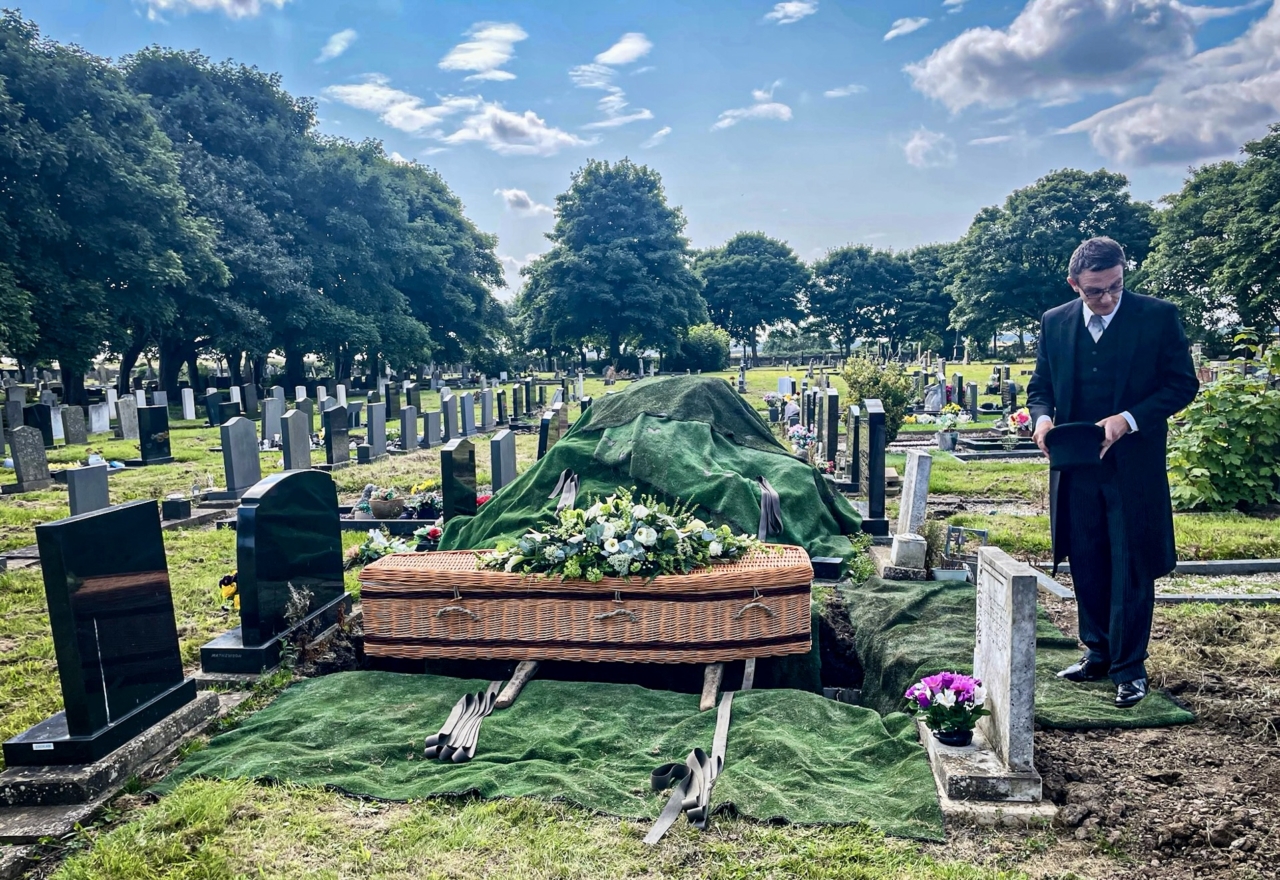
We buried him in the cemetery at Blyth (in the north-east of England) overlooking the beach in the plot where my mother has lain since 1999. It was a bleak place back then. Twenty five years have seen the trees and hedges mature. The watery sunshine of that August morning and the flowers on neighboring graves made the place something of a garden.

In a casket made of wicker. This had been an easy decision guided by his lifelong appreciation of the qualities of materials (MDF — no way!), and by my experience a couple of years ago of Mike Pearson’s moving funeral in a south Wales valley (returning whence we loved, and conscious of the performed event of parting, scattering flowers on the casket lowered into the grave). 

But what was he to wear? Until the 80s they always wore fine tailored suits to go out to “The Duke”, the working men’s social club — no sports casual back then. There were a couple in his wardrobe, hand made by Hardwick of Blyth, a friend of theirs. But it didn’t seem right, even for the last of his generation. On my visit at Easter, he had asked me to bring him a new Stanford baseball cap; he had lost the others, like so many other things in his last years. There was a Stanford sweatshirt out in his bedroom alongside his sports pants and trainers. He loved his visits to see us in California. So that was it — he was buried in his Stanford gear!

He had neither time nor sympathy for organized religion, was always suspicious of church and state. So there was no chapel service, no vicar, who had never known him, to repeat something that held no meaning for him. Instead I spoke at the graveside to a few family members, Marlene, Milly, Liz and Phil, Andy, Chris and Alex Quinn, neighbors, and John Davison, a friend he had met in the 50s and with whom he still visited the city twice a week. And yes, to Connie who came over from Denmark to be with me; she had gotten to know him over two Christmas holidays. Gary the Funeral Director from the Cooperative (those local to the North East of England will know what this means) stood by in his top hat and tails.

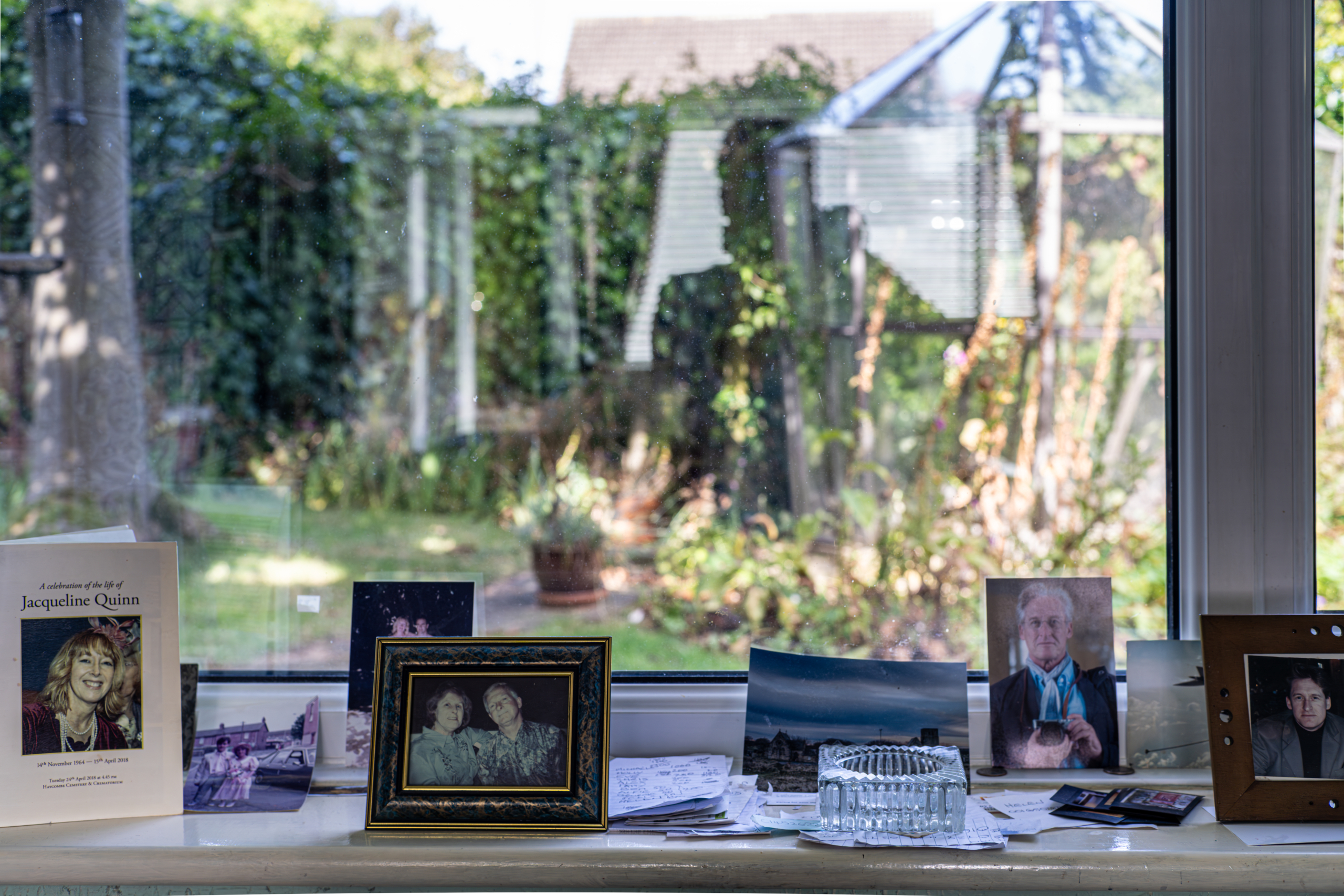
Andy, my brother-in-law, spoke warmly of family connections. We had placed in the casket some of the vitrified ashes of my sister Jacqui, who had died so young six years ago.

I spoke of place. He lived his whole life within three miles of the pit village, the colliery village, Shankhouse, where he had been born. He talked a lot about this, what had changed and what was left of previous times, the industrial landscape, the slag heaps of Amelia pit (closed 1938) in front of his house, all the collieries, the shipyard, gone.

Of his lucky escape from a life down the pit like his father and brothers. Not a coal miner but a ship builder, plater, member of the Boilermakers’ Union (they truly looked after his interests in his old age). A family friend got him the job when his wild dreams of being a professional football player, unrealistic he admitted, ended in a knee injury, and after his national military service (that left him with permanent tinnitus and hearing loss). He spoke with such pride of the shipyard community, with anecdotes of the superb riveting of beautiful ships they built in the 50s, of Geordie Cheetham, pattern maker, Johnny Brooks, “he could make anything”, of Mitchison the yard manager. Gone, and remembered.

With the scandal of the closure of Blyth shipyard in 1967 (callous financial expediency of off-shore owners), they took their skills to the shipyards of the Tyne and then into the lucrative boom in the 1970s and 80s of rig construction for the North Sea oil fields. The money was good. My mother had put herself through college and was a schoolteacher at Malvin’s Close, just up from the old pit owner’s house where I played as a boy. They started regular holidays abroad and bought a house in the new South Beach development of the marshy land in from the harbor (salt pans from the 1100s). Here they lived out their lives.

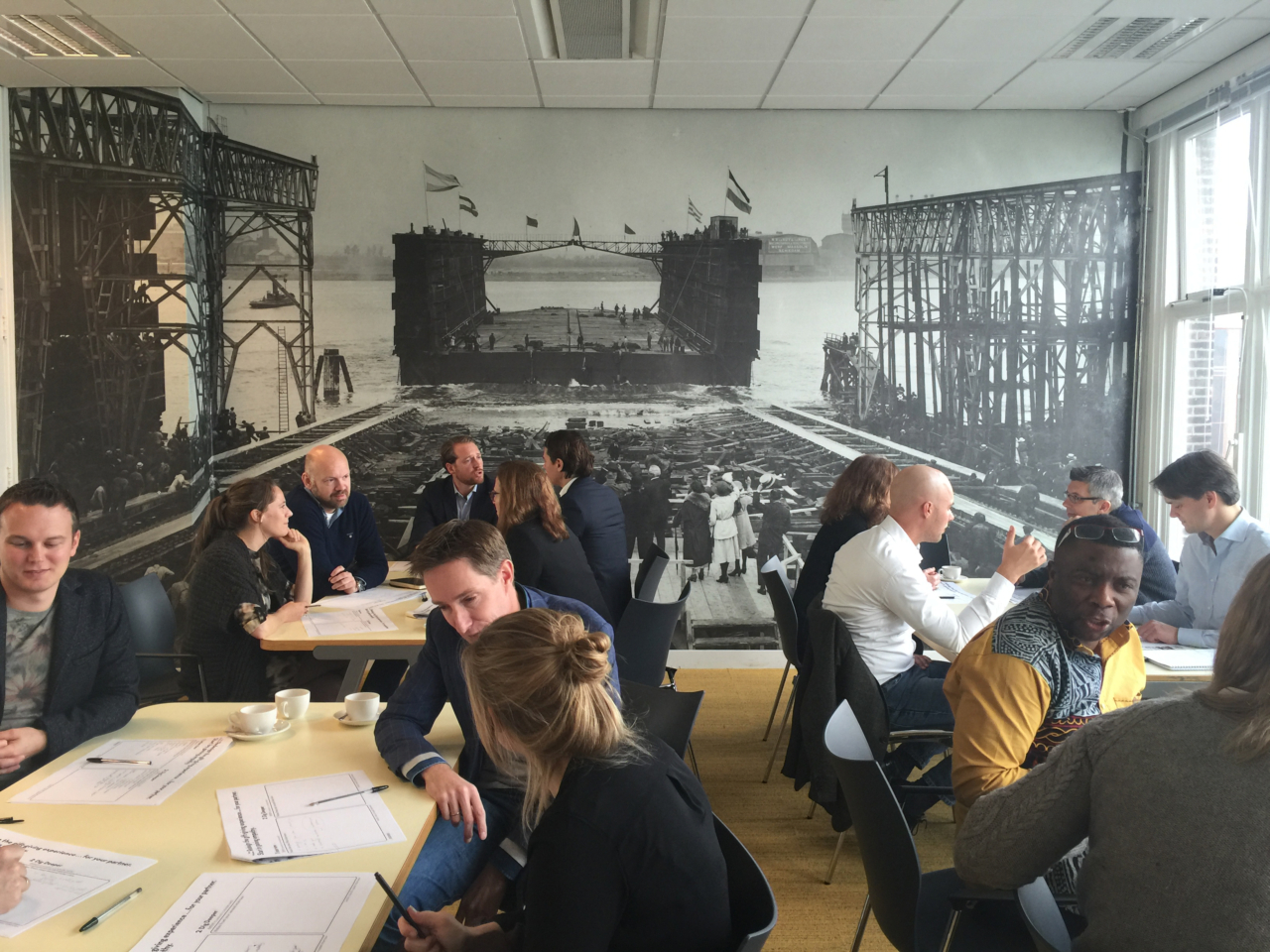
But his was the last generation of ship builders. Press Offshore, bought up by conglomerate Amec, where he worked at Wallsend, made no investment in future skills, no training, no apprenticeships. Why would they? This was post-industrial Britain. End of industry, once the short-lived extraction of oil stopped delivering easy profit. And again, such pride in what they could make. Above his fireplace he had a pewter tankard commemorating a massive 100,000 ton rig module he had helped build (120 feet of ladder climbed several times a day). He sent me a clipping from the Evening Chronicle of the biggest floating crane in the world, from Rotterdam, lifting it onto a barge. He had our name inscribed on a rare alloy nut-and-bolt used in rig construction — “a different kind of high-tech for your lab!”, he told me.

They were planning a retirement focused on family and their love of art and crafts. But my mother died young of pancreatic cancer (as did my sister). He turned to making model ships. Each would take a couple of years to build: extraordinary, perfect-in-every-detail replicas. The eighteenth century in sail: the high-tech of the day. He had me research rigging for him; he figured out how to make wooden blocks to scale. He read and re-read the twenty one Aubrey-Maturin novels of Patrick O’Brian, loved historical novels.

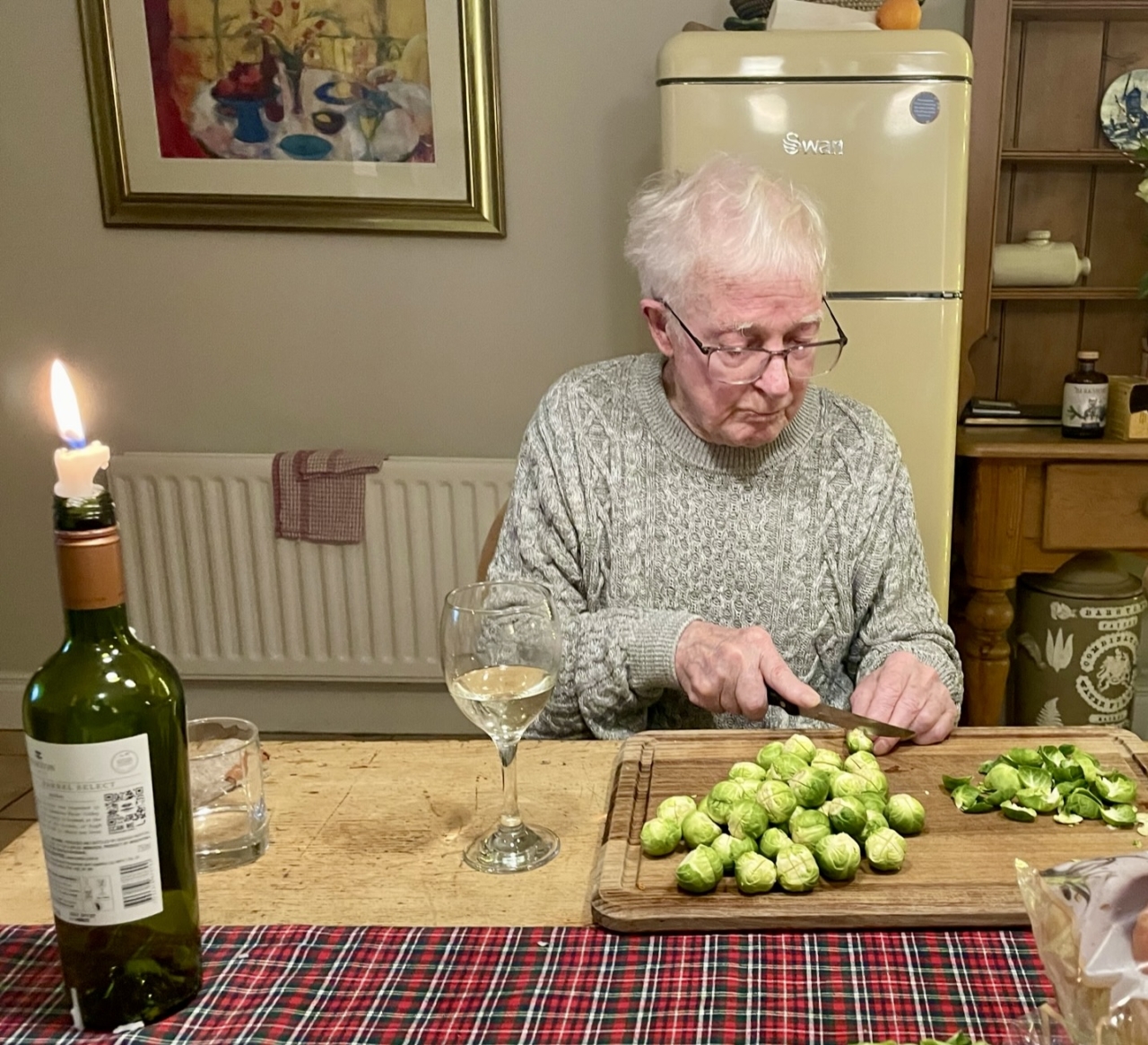
His making was an epistemology of the hand. His workshop at home was first upstairs, then in later years it was the dining room table. Here his making took him to come to know times and places distant. He was model-making into his late 80s, as sure of hand and eye as ever. It was because he found the intensity of attention too demanding that he had to stop a few months before the end. The planked hull of his last project, a Swan-class sloop, a kit this time, was still on the sideboard ready for sanding. 

I had helped him choose this ship on one of the short holidays we often took together in his last years after he could no longer take the long-haul flight to California. I would rent us places familiar from family outings back in the 60s and 70s: a grand cottage on Armstrong’s estate at Cragside, a house by Lutyens on the Holy Island of Lindisfarne, an arts-and-crafts apartment overlooking the cricket pitch in front of the castle at Bamburgh, a Georgian house in Warkworth, where they’d taken me for my first holiday in 1964.

Falling 

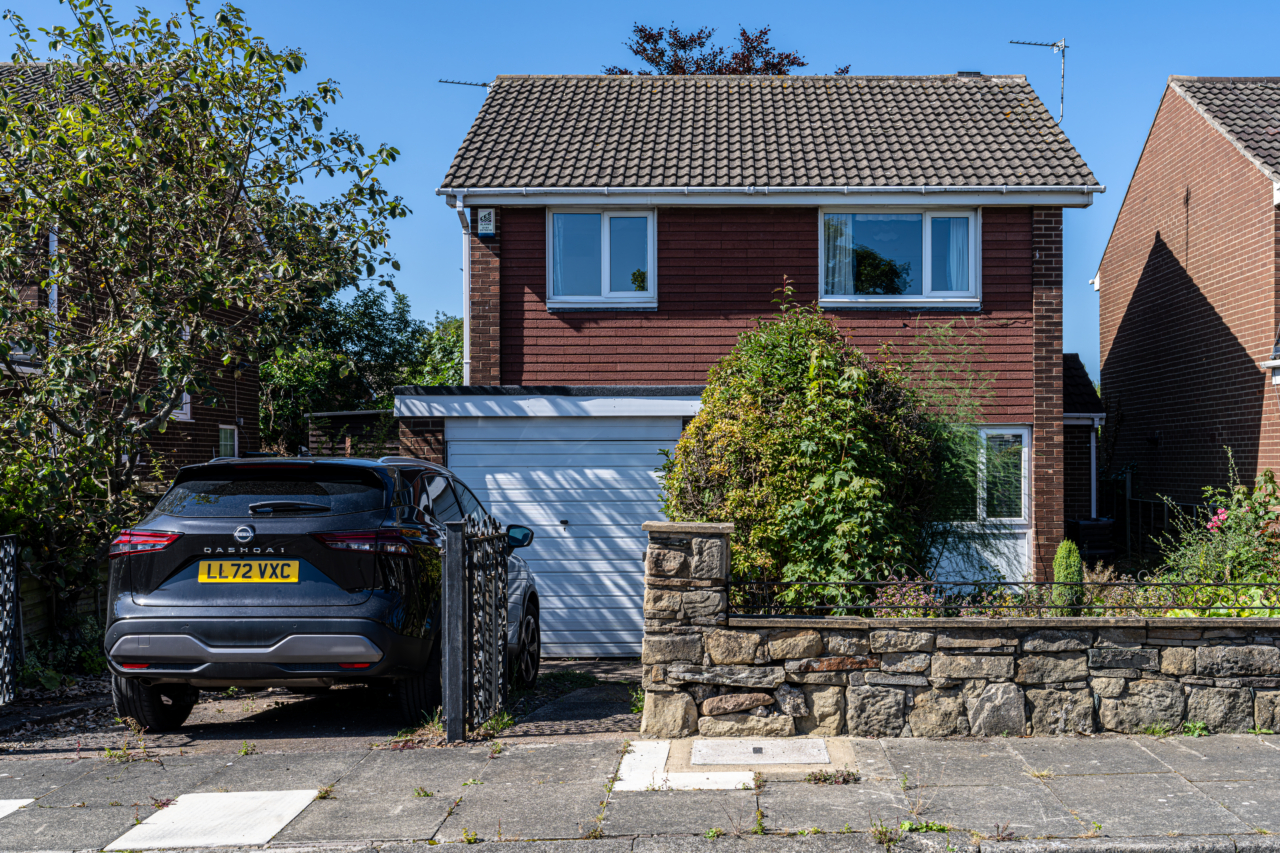
He fell at home, 7 Alconbury Close, Blyth, on May 9 in the evening. He must have pulled the alarm cord given to him by social services. He was taken to Cramlington hospital in a confused state, and then transferred to Wansbeck Hospital at Ashington. His delerium never abated. He knew me when I went to see him, but something was missing. He talked about escaping. He never returned home.

I moved him to a care home, Crofton Court, in the middle of Blyth and with a view from his window that would be familiar to him, out over what had been the railway yard. They were kind; everyone was kind (even with the welfare-state National Health Service deep in crisis). He kept falling and was taken back to Wansbeck on June 29. He was moved from Ward 2 to a private room and died at midnight on July 5, not having woken for two days. I arrived at the hospital at 10am the next morning. I was hoping to catch him at the end, but my flight into Newcastle was delayed.

Home

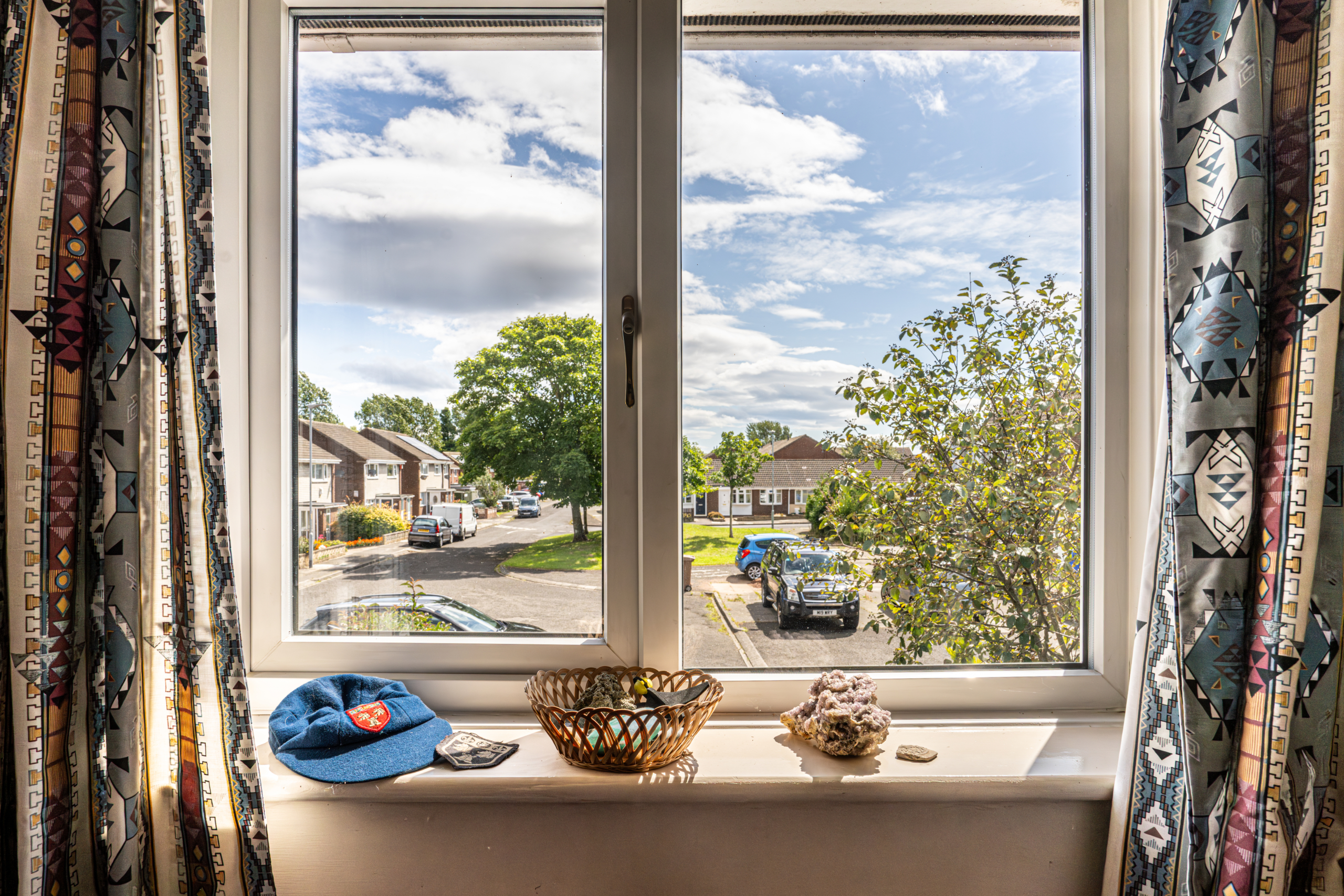
The house was tidy. His cleaners had visited, as had the gardener. Jim at number 9 had been keeping an eye on things. Andy had stayed on a visit to see him in hospital, but the place was as he left it on May 9, and as it had been for many years. And I was returning, with a sense of an ending, whence I had left for college in 1977.

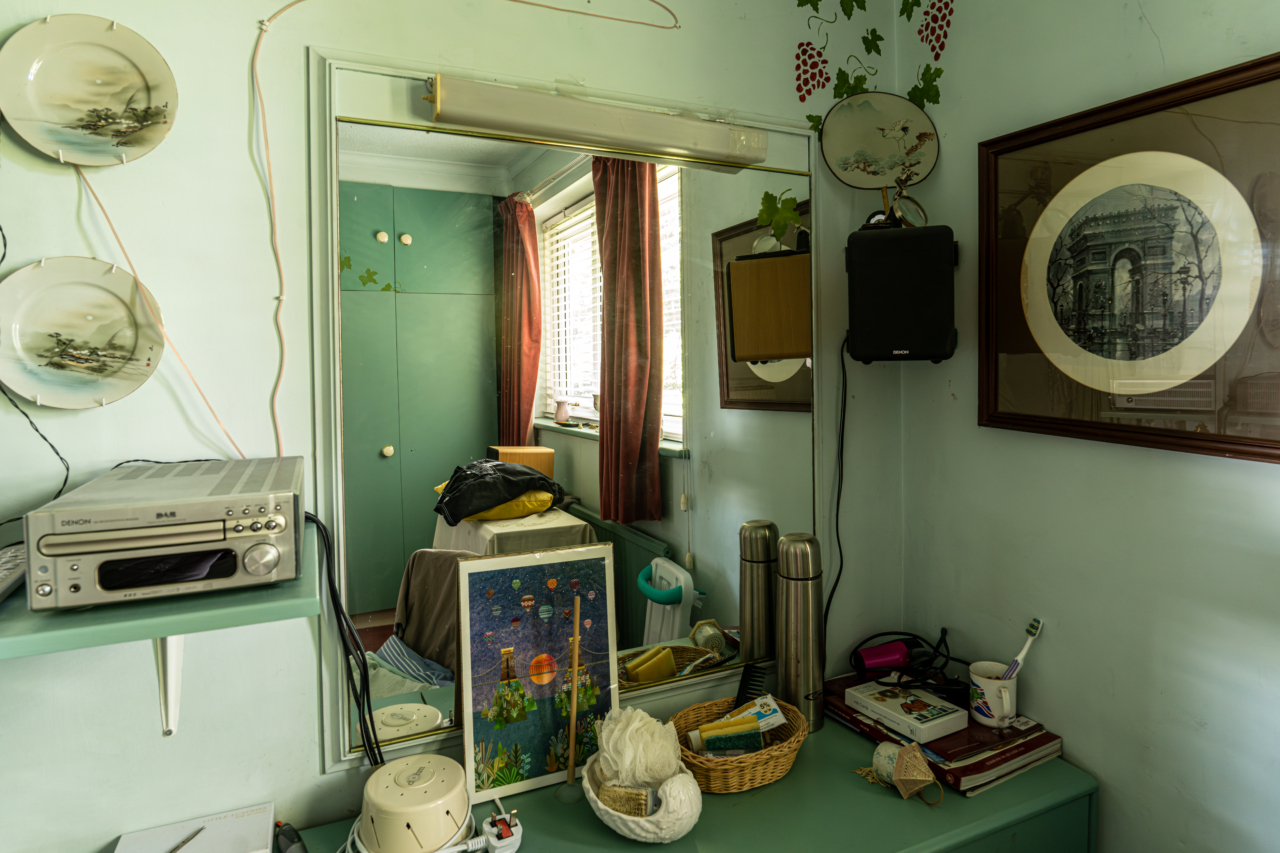
It is, was (I’m not actually sure which tense to use), a saturated space. Full of stuff, of things. Habitat. Milieu. His. And so many traces of others too. Me included (meeting one’s doppelgänger). The things collected, assembled, gathered, carefully curated since my parents moved there in 1977, prompt reflection on what they might say, the artifacts, and my parents themselves. They are not some kind of débris of life lived. They hint, suggest at best, invite speculation, and cannot but withhold. There’s no knowing. There’s no story.

So much stuff. What was to be done? There was just one item of monetary value and his only luxury — a watch. I had taken care of it while he was in hospital, hoping, of course, to return it to him after recovery. I have bought a case to put it in. The rest, the things with which he was surrounded — you cannot give such things away. No one wants them, or can deal with them. I gathered a few items, asked family and friends to come and take what they might like. I have left the rest, the majority, to house clearance and charity. The things might move off, dispersed. Some will live on. People, strangers most likely, will come to live in the emptied house.

Left-overs. 

I took photos.

Memories — in counterpoint

1. Wartime bomb

He kept talking of his memories of a wartime childhood in Shankhouse. Albion Terrace, where he lived, was poor industrial housing, thrown up in the nineteenth century. Damp. Cold. No indoor plumbing. The only water was from a tap at the end of the street. A bomb destroyed the water main, probably in 1942. He went looking for shrapnel in the crater. It was somewhere by the bridge at the edge of the village. He wanted to find the spot, and so we went to look with Eve in summer 2023. And yes, with an archaeologist’s eye you can still make out where the bomb landed as you look towards Bog Houses on the old Plessey waggonway.

2. Miners’ Welfare

The Miners’ Welfare, the village community center, was past the rows of houses. They are all demolished and replaced by one of the housing estates of Cramlington New Town. Except that some of the cultivated flowers from the old gardens spread, migrated into the hedgerows. We found a patch of fine turf on leveled ground — what’s left of the bowling green and tennis courts. He remembered how well-kept they had been. 

3. Edwin

George William Shanks, his father, was decorated with the Military Medal for bravery in action at Ypres in Flanders in 1918. Edwin, who would have been my dad’s uncle, was killed, aged 18, in the same year. He went with John Davison to see the grave in Flanders. He had photo portraits of them both, father and uncle, and my aunt Marlene tells me that he would set them up by his seat in the dining room on Remembrance Day. On the wall by a photograph of Molly aged about six and with a broken arm he hung a letter from the mayor of Ypres; George William had visited in 1964, 50 years after the outbreak of war, to receive the freedom of the town. He was sickening and died soon after.

4. Entrance ticket

Closure of the shipyard in 1967 brought great hardship to Blyth. He found a job in the shipyard at Haifa in Israel, but lasted only a few months away from home, even though there were a good number of his work mates there. In an old wallet tucked away at the back of a cupboard I found an entrance ticket to the crusader castle at Acre. He loved history.

5. Football pitches

We went down into Rothbury for lunch at the Newcastle Hotel, waiting for power to come back on after one of the storms in winter 2021. Over roast lamb he talked about football in the Northumberland coalfields. His village team, Shankhouse Black Watch, famous in their day, was formed in 1883 by the local Methodist Chapel bible class after the Scottish Highland Black Watch regiment, camped nearby, arranged a match against the local miners. He played for Seaton Delaval Juniors and recalled a match he played at Rothbury in the early 50s, with lunch in the very same pub we were now in. As we drove round the old pit villages he would point out where the football pitches had been, sometimes still were. This was his own very particular psychogeography.

6. Local villages

Shankhouse, Bog Houses, East Hartford, Horton, Cramlington, High Pit, Nelson Village, Klondyke, Annitsford, Hartley (New and Old), Seghill, Seaton Delaval, Bebside, Cowpen, Newsham, Bedlington, Cambois (you say “Cammas”).

7. Lightship

Trinity House lightships would come into dry dock for cleaning. Moored permanently out at sea to aid ships’ navigation, they arrived covered in shellfish. All Blyth feasted on mussels, but there were too many. Scraped off the hull into the dock, they rotted quickly. He said the smell was so bad no one wanted to eat them ever again.

8. Pubs and clubs

The Duke of Wellington (in its new premises on Cowpen Road) — up-market working men’s club.

The Duke of Wellington — a favorite in Newcastle for lunchtime chats. I first went there with Gilbert when a high-school student in the 70s.

The Kitty Brewster  — old coaching inn with a great cellar and run by my aunt and uncle. A long walk though.

The Royal Tavern — a convenient walk away and good for chat, though the Vaux beers were not so good.

The Three Horseshoes — another old coaching inn; he remembered US servicemen drinking there before moving south for D-Day. 

Oliver’s — pub at the bottom of Plessey Road, past the Royal Tavern, for regular visits with John Davison in later years.

9. The Blagdon Ridleys

He remembered being taken to see “the beast”, a bull in the care of his uncle. A farmer who could neither read nor write, he worked on the Blagdon estate for the Ridleys, another one of the well-to-do landowning-elite families of the north. Along with regular business interests they sank the pits, developed the ports, drew rent from their land, and ran the county. The fine houses of pit owners are scattered through the landscape.

His cousin, nicknamed “The Major”, though he never was in the army, was the Ridley’s chauffeur and even accompanied them on vacation with his wife. Their accommodations were, of course, fitted to their servile status.

Going through his papers and preparing his house for sale, I found that he had been paying annual ground rent to the Ridleys, even though he owned the free-hold since 1977. Sickening — the old feudal ways where landowners profit from property.

10. Garden

The onions and King Edward potatoes did extraordinarily well in the garden of the new council house (community owned) at Bolam Avenue, named after the Saxon village past Morpeth. Maybe it was because he had double dug the plot. Tough hard work — there was a lot left of the old colliery yard under the topsoil brought in for the gardens. He remembered how rabbits living in the scrub around the closed-off pit head came at night and ate the fresh shoots of his favorite carnations.

11. Peugeot 205 GTi

Working in rig construction on the Tyne was well paid, comparatively, at least. He bought himself a Peugeot 205 GTi for the commute. Several, preferring the original 1.6 liter for performance and handling over the later 1.9. He liked to take the winding back road through Seaton Sluice along Hartley Lane, his brother’s house to the right overlooking Holywell Dene, past the Beehive pub, dodging the foxes at 5.30 in the morning.

12. Woodwork teacher

He spoke with great affection of the school at Cramlington, the fine facilities, gym, playing fields, workshops. He recalled the woodwork teacher, his impressive skills that had helped build Mosquito aircraft in the war, fast and agile because they were wooden-framed. He bought me a plastic model kit of one and showed how to mix the duck-egg green paint for the underside. Curiously, the color is very reminiscent of the green tone of the walls in Alconbury Close.

13. Collieries

They were every few hundred yards. Anne, Isabella, Nelson, Hartford, Hartley, New Delaval, Crofton Mill (part of Cowpen Colliery) (Betty in the canteen kept chips and peas for me when I went to watch the tubs come up to the pit head), and many more. Amelia was across the road from where he lived on Albion Terrace. It closed in 1938 but the works were still used for washing coal. He remembered how you had to take care not to sink into the soft spots on its slag heaps that towered over the village. They were dangerous and constantly burning beneath the surface. Flames could erupt; there was red and white scarring across the slate gray barren surface.

14. The Hoggs of Stickley Farm

Backing onto the slag heaps of Hartley Main Amelia Pit at Shankhouse was Stickley farm, owned by the Hogg family. He remembered helping with potato picking. The waste heaps were landscaped in the 70s when the new spine road cut off the lane past the farm. The tree where he climbed as a boy is still there.

15. Burning the 18th century

It must have been in the ‘74 miners’ strike. Not enough coal for the power stations. Not enough coal to heat our house in a cold winter. The power cuts did give us wonderfully dark night skies. He brought his friends round, Harry Thompson was one, so we could look at the rings of Saturn through my telescope. He took me along the old colliery waggonways (Plessey was one of the first in the world, built by the Ridleys) to look for any coal that had fallen from the trucks over the years. We stoked our fire with the eighteenth century.

16. Face cream

He described his father as a hard man. He had joined the army as a regular in 1912 to escape going down the pit. It was in the army that he developed his life-long interest in photography; my dad remembered the photos he had taken of the trenches in the Great War, but they were lost by his elder brother, my uncle Eddie. He gave me the 1920s folding Kodak and I still run an occasional film through it. The village turned out to celebrate when he won the Military Medal, and the vicar gave him a new wallet containing a ten pound note — quite a sum for the time. But he ended up, like most, a miner. One of the few luxuries he enjoyed, my dad told me, was expensive face cream, bought by and for him, and not my grandmother.

17. High Pit Sundays

We took the red United Bus Company number 405 up to High Pit every Sunday afternoon. All the family on my dad’s side turned up. He remembered the simple kitchen with a musty-cupboard smell and the canned cling peaches in syrup and served with evaporated milk. I remember the wartime Anderson shelter in the back garden, converted into a tool shed, and the lines (not beds) of prize standard roses.

His brothers and sister and their spouses have died. He was the last. All of my cousins died young, except for Gary and David, with whom we lost touch. He liked to hear from his niece Ann, an artist in Norwich.

18. Northern Goldsmiths

It’s a fine looking store, even today, on the corner of Blackett Street. He bought his Rolex watches there, trading them in one after another. His only indulgence. He just loved to call in and talk to the sales staff, checking out new models of his GMT Master II, or alternatives. They would offer him a glass of wine — in Newcastle!

19. Medieval banquets

Seaton Delaval Hall. Visible over the fields south along the coast. The name gives away some of the story. The Delavals came over to England with William of Normandy in the eleventh century and have been landowners since — the right of conquest still valid after a thousand years and more. A new fortune made overseas in the early eighteenth century enabled Admiral George Delaval to have playwright Sir John Vanburgh create this theater-set of a house. Frances Askham makes much of the lifestyle of the “Gay Delavals” in his sycophantic history of the family written in the 50s. They funded the biggest bottle works in England at Seaton Sluice, improved the tiny harbor, competing in the coal trade with Blyth and the likes of the Ridleys, and were behind much local industrial development. The house was damaged by fire in 1822 and was never fully occupied again, though John Dobson, local architect to the well-to-do, reroofed the central corps de logis of this Palladian magnificence.

In the 70s and early 80s the old kitchen was used as venue for re-enacted medieval banquets. My parents loved them. I went along once. It was a laugh — local Geordie humor (in the wake of “little waster” Bobby Thompson), and washed down with Lindisfarne mead.

20. Battleship wharf

In the early 60s Blyth was the biggest colliery port in the world, by tonnage. On the north side of the river Hughes Bolckow broke up and scavenged past-their-time ships at “Battleship Wharf”. He got a teak door to turn into a side table, brass portlights as mirror and picture frames. Upcycling. My mother found him a ship’s wheel at the flea market at Tynemouth station. He cast a brass ship’s bell with Geordie and Johnny. He left it in his will to Ivan, son of his friends of long-standing, Harry and Thelma.

21. Elgar 1974

He loved classical music. I’d hear symphonies blasting out in the background to counter his deafness when I phoned on a Sunday morning. In the 1970s we held season tickets to the concerts at Newcastle City Hall. Jerzy Semkow conducting the Warsaw Symphony Orchestra in Elgar’s Introduction and Allegro for Strings, followed by Tchaikovsky’s Fourth — I found the program from 1974 in his relics.

22. Stealing apples

Along with the Three Horseshoes pub at Horton, Laverock Hall farmhouse stands as a feature on the road from Shankhouse to Blyth. They sell dog food there now. He remembered stealing apples from orchards of which I can find no trace.

23. Town center

He remembered how the town was full of prosperous small businesses in the 60s. Seghini’s cafe that sold gelato and espresso (!), Harper’s the fishmongers (wonderful roll-mop herring), Septimus Mole’s hardware and bicycles, Shy’s the butcher (shepherd’s pie and saveloy sausage). And a wonderfully rich public library (that so featured in my intellectual growth). Albert Bell had an electrical store for radios and gramophones; long after the shop closed, he bought Albert’s stamp collection for me at a car boot sale.

The place is now in a sad state. Most buildings need serious repairs, whether they are in use or boarded up. The new covered mall has been closed down. At Easter we witnessed the market, where once we listened to the smart banter of market traders selling great deals to crowds, now a lonely line of tables on which people had set out for sale a few cans of food they had received from the food banks, desperately seeking some liquid cash.

24. Cypria Maris

They went year after year for two weeks of full board stay at the Cypria Maris, the first five star hotel in Paphos, Cyprus. They took one of the cottages in the garden. Everything laid on. He had placed a towel they had brought home, maybe in the late 80s, on the chair by the dining table where he sat everyday until the end.

Methodological notes on an archaeological sensibility

In the last few years of his life I recorded many conversations with my father that are the basis for what I have to say here. In a future post I will take up some of the thoughts and concepts that have animated this portrait. I have been particularly inspired by Laurent Olivier, Bjørnar Olsen, Þóra Pétursdóttir, and Christine Finn.

[Link]


In Tilley’s garden – a summer long ago

Reflections on the work of Christopher Yates Tilley 1

This is Part 1 of a reflection upon the works of Chris Tilley, prompted by his too-early death in March 2024.

I want to do justice to the range and depth, the significance of his work in anthropology and archaeology. My reflections are based on memories, close collaboration, and deep reading of all his writing. His work, now finished, deserves close attention because it deals with matters of wide concern and in such a sophisticated way, dedicated to careful consideration — relationships with environment; respect and acknowledgement of diverse voices; developing secure foundations of knowledge, in experience, modes of engagement with the world, representation and report.

What follows is not an exposition of his ideas but a reflection upon them, something of an exchange of ideas as I unpack how I react. I do look back with hindsight and wish that the conversation that ended when we parted ways in 1993 had continued. I disagree with much of what Chris came to stand for. I do not think he has the answers. But he always got me to think more carefully.

Part 1 is about our collaboration at Cambridge, two academics provoked to set things right.
In Tilley’s Garden: a Summer Long Ago [this post]

Part 2 presents some allegorical associations in something of a play with the mythmaking that I find quite endearing in Tilley’s anthropological archaeology. 
Mythographic Triptych (annotated) [Link]

Part 3 is based on reading his work since we parted ways in 1993. I offer sketches of some personae in his scenario of experiencing landscape, and some features of a concept map within which his oeuvre might be situated.
In Tilley’s Garden: Figures in a Landscape – [Link]

Part 4 is a celebration of Tilley’s humanism — valuing individual experience and autonomy, grounding in empirics and critical thinking, focus on life and presence, environmental secularism. I find his humanism most considered, even profound. I think this is what he left in most of us, certainly those friends, family, colleagues, students whom I have heard react to his death — quite a passion for life and the qualities of things.
In Tilley’s Garden: Transcendental Experiences – [Link]


It seems appropriate to call it a passing, the death of Chris Tilley in March 2024. We worked together so closely on archaeological theory from 1979, when we met at Cambridge, until he left University of Wales Lampeter in 1993, where we were both faculty elements in an experiment to create a new kind of academic amalgam.

We spoke little after this, parting ways. Nevertheless our diverging paths retained concerns that we shared from the outset of our collaboration. I have been reading again all of his writings. What follows is the beginning of a reflection on these crossings and convergences, as well as the antipathies that led to the parting of ways.

And amalgam, yes — such close collaboration and then a quiet but nevertheless ongoing, implicit conversation.

The home for the rest of Tilley’s career was University College London. He was a key figure there in building up a school, one might describe it, of material culture studies, while pursuing what he called a phenomenology of landscape, and for which he became well-known. His ethnographic scope took in examples of material culture in small-scale non-western communities (he traveled to Vanuatu, for example), but the many case studies, the detailed surveys of prehistoric sites, monuments, and rock art in the British Isles, Ireland, France, and Scandinavia, are the heart of his body of work. 

His methodology of intensely-focused visits-in-person, meticulously documented passing-through perambulations of prehistoric remains-in-the land, always led to observations of previously unnoticed affinities, where he might liken an upland linear construction to a pebble beach visible on the coast below. Such metaphorical affinities were the foundations of scenarios with which he summed up such engagements with prehistory — in-the-footsteps ancestral processions through the land, local and secret knowledges regained, initiation rites, shamanic associations, embodied inhabitations then-and-now.

Looking through his many landscapes studies I am taken back to the summer of 1988, most of which I spent with Chris in Sweden. With hindsight and reviewing the copious photowork I pursued in that field trip, it is clear to me now that I saw him there and then in his element, in a milieu that he cultivated for the rest of his life.

archaeology in the academy

Our fieldwork in Sweden in 1988 was in the wake of the publication in 1987 of two books we had worked on since 1980 — ReConstructing Archaeology (Cambridge University Press) and Social Theory and Archaeology (Blackwell Polity).

These have been taken as part of the roll-out of a post-processual archaeology, a package of theory and methodology that challenged the precepts of a processual “paradigm”. Such a supposed roll-out is regularly now featured in stories of the history of archaeological thought. Tilley and I never saw our project in those terms. 

Both of us had been inspired by David Clarke, Fellow of Peterhouse, the small Cambridge college. He died in 1976 before Tilley and I met there. We both appreciated his open and generous, exploratory and visionary attitude, and his aspirations to improve archaeology as a disciplinary field in a Cambridge of the 1970s that was quite tense and competitive. Well-established interests in an archaeology focused on economy went back to Grahame Clark and Eric Higgs, taking in many younger researchers such as Geoff Bailey, Paul Halstead, John O’Shea, Peter Rowly-Conwy, Marek Zvelebil, Glynis Jones, Jim Lewthwaite — these were just the ones that taught me as an undergraduate. Ian Hodder arrived in 1977 and was supervising the research of, among others, Chris, Mike Parker-Pearson, Henrietta Moore, Danny Miller, Mary Braithwaite. There were many others. Faculty such as Glyn Daniel, John Alexander, John Coles were lost in all the intellectual energy, with nothing to say to us. They seemed small minded, parochial, outmoded, irrelevant in contrast to the vigor of debate over a pint in the Anchor, the Mill, the Little Rose, the Eagle, the Granta, or over dinner in college hall.

Tilley and I benefited from the institutional separation of college and university. This was a critical and dynamic aspect of our experiences of academic community. Socializing and what can be called collegiality came before university department and disciplinary alignment. We both found free space to explore our interests without obligation to curriculum and faculty, or disciplinary norms and expectations. As an undergraduate, I skipped lectures and faculty supervision, actively encouraged by my tutor at Peterhouse. Chris pushed his doctoral research in prehistoric archaeology in new directions.

We were immersed in classic social science debate over theory and methodology, and as applicable to an anthropologically oriented archaeology. Bookstores (Heffers and the radical bookshop on Silver Street), and libraries (Haddon and University) teemed with fresh debate around a turn to theory in the social sciences and humanities.  What concepts for explaining and interpreting prehistoric societies? What role for quantification and (hypo)thesis in building reliable, meaningful knowledge? It was an intoxicating atmosphere.

In 1979, as part of the research for my undergraduate dissertation, I coded a principal components analysis in FORTRAN IV for the Cambridge mainframe computer (I recall it well – an IBM model 370-165!) along with a program to plot results (thanks to Tim Dixon), and ran the copious data from some neolithic mortuary deposits through both. Chris was very taken, as I was, with the patterning and correlations that emerged, and so we expanded the analysis to include sites in Sweden, where he had started his own research. We interpreted the clear evidence for selection and manipulation of body parts in a socio-cultural modeling of power and agency derived from structural-marxist theory, applied to pre-capitalist modes of production, and relying heavily on the concept of ideology. This was the beginning of our research collaboration that lasted for a decade.

A long-postponed and acrimonious confrontation with my examiners Stuart Piggott, Glyn Daniel, and John Alexander over my research dissertation in 1980 threw the end of my undergraduate days at Cambridge into deep shadow. I left to join an archaeological field unit in the north of England. Chris moved to Lund in Sweden for his research into prehistory.

I was angry at what I experienced as exclusion from the academy where I believed I might make valuable contribution, and from a distinctive standpoint, one that had been acknowledged by my college. My background, what in the US we now call first generation low income, prompted me to see this as a matter of class culture. Glyn Daniel’s only comment on my work, as he sipped from a glass of red wine, was “you have a strange accent — where is it from?” — he knew well-enough that I had a north-eastern working class accent. Stuart Piggott looked imperiously out of the window and said “You seem to have a vague interest in the history of archaeology — my history”. To my complaint that the system of examination involving short essays written in response to trite questions was merely a measure of one’s skill at writing short responses to trite questions, John Alexander responded “Then, as a student of the Classics, you should learn to write like Tacitus.” Glyn Daniel, as head of department, had told Chris bluntly that a doctoral dissertation on theory could not qualify as research at all and would therefore receive neither institutional nor financial support. Chris became increasingly combative in his stand for open research rigor and against unreflective disciplinary orthodoxy and academic cronyism. We committed to adversarial research and publication. We would not be marginalized. We would not suffer archaeological fools.

In celebration of Bill Rathje’s and Mark Leone’s notion of an “archaeology of us”, we pursued for a year a study of modern material culture (beer packaging) and associated this with more prehistoric studies, examinations of social science methodology, and of museum curation and the heritage industry, the actuality of archaeology. Chris was taken with hermeneutics (philosophical phenomenology, with which he is so associated, came later). I was fascinated with the New Left as intellectual activism, and rooted in the very twentieth-century experiences of western Marxism. This was what we presented in ReConstructing Archaeology. Another book, Social Theory and Archaeology, written in parallel, was based upon seminars and discussions offered at Cambridge, amplified into a critical review of social archaeology, the project to explain and interpret prehistoric societies and cultures. We received great encouragement from sociologist Anthony Giddens, editor and instigator of a new imprint, Polity Press, dedicated to theory in social science.

Our enterprise was not to create some kind of new archaeological paradigm, post-processual, or whatever. It was to pursue what David Clarke had called a critical self-consciousness in our academic archaeological practice, thoughtful archaeological praxis. The methodology adopted in the case studies of ReConstructing Archaeology was regular social scientific, involving empirical exploration through concept and proposition/thesis, quantification, categorization, accounting for data variabilities and regularities in models of socio-cultural process that especially took agency into account, cognitive structures, and people’s capacity, or lack of capacity, to effect change in their circumstances.

We embraced the “linguistic turn” taken in the humanities — a disposition, ongoing in the 70s and 80s, to identify and make sense of semiotic structuring in acts of communication, in cultural phenomena such as image making, myth making, narrative and performative storytelling, in everyday life, because this was part of an opening up of disciplinary orthodoxy to fresh angles of approach and understanding. Our study of neolithic mortuary practices, for example, involved a model of corporeal signification — body as metaphor, metonym, synecdoche — an archaeology of the body in which people of the past acted on and through their conceptualization and understanding of their material and immaterial bodies. Manipulating bones — in passage graves and long barrows, in feasts and rituals of excarnation.

In one of the first long reviews of our two books in the journal Antiquity Kristian Kristiansen called them “The Red and the Black”. ReConstructing Archaeology had a stark black cover. That of Social Theory and Archaeology was deep red with an image of gothic melancholy and ruin. We took Kristian’s naming as an astute and flattering reference to Stendhal’s critique of class culture in modernizing France — the 1830 novel The Red and the Black. Kristian’s Marxian perspective held that the key to our work was critique. Critique — this is what touched a raw and supporating nerve in archaeology. This is what so rankled some of our fellow archaeologists — our repeated and substantiated claim that we were not sufficiently and critically self-conscious of what we were doing as archaeologists. We are not neutral detached scientists, but embedded, committed, contemporary, even if we pretend otherwise.

Here again our concept of critique was well-founded and long-standing — critique, after Kant, if one wants a genealogy, is reflection upon the conditions under which one might construct sound knowledge. My own standpoint was that of the immanent critique associated notoriously with the Frankfurt Institute of Social Research and after, rejecting the search for a fixed outside from which one might offer critique and correction. Donna Haraway describes this as “staying with the trouble” — there’s no escape from the mess. In contrast, it was on that summer itinerary in 1988 through prehistoric Sweden that I realized Tilley’s was a transcendental critique of contemporaneity. For Tilley the fixed point, the prima causa, was anthropic and thereby shared corporeality, the embodied experience of landscape, of things.

Moreover, with hindsight, Chris increasingly had less and less to say in the way of critique. While there were gestures of broad criticism of the contemporary world in his later writing, and his method stood as implicit critique of much that was claimed to be knowledge building in archaeology and anthropology, it was the transcendentalism that, I suggest, stands out most markedly in the many case studies of being-present-in-the-land. I will have more to say of this in a later reflection on the personae and archetypes in Tilley’s phenomenology.

Our two books drew on the sociology of knowledge after the likes of Kuhn and Foucault to argue that knowledge is a verb, that science is something people do. To reiterate, our enterprise was to further critical self consciousness in social science and the humanities. We wanted better building of knowledge, more secure, edifying, rewarding, enchanting, apposite, pertinent to matters of common and pressing concern. Acknowledgement that archaeology is not the discovery of the past, but the temporal percolation of past, present and future, to use the phrasing of science studies philosopher Michel Serres.
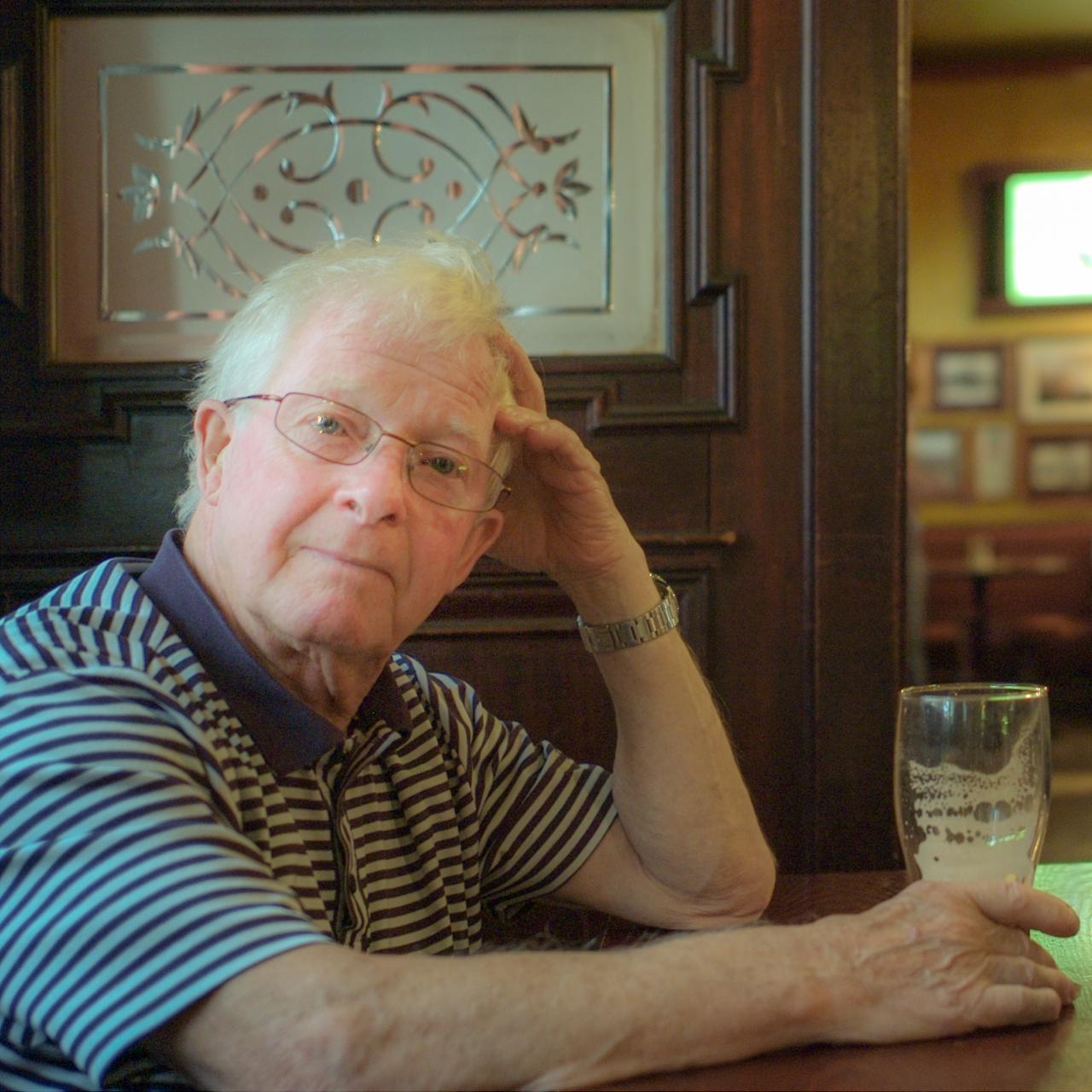
Bruce Trigger, among many others, accused us of corrupting science with politics, claiming that ours was an irresponsible hyper-relativism, whereby everything that can be said of the past was relative to present context, to standpoint, to politics, and thereby groundless. 

Far from this, we were actually seeking more firm foundations for knowledge, accepting that knowledge of the archaeological past is not something revealed to us, discovered, observed in neutral and abstracted detachment, but worked for. This is the all-too-present experience of the academy — seeking funding, dealing with policy and debate, managing projects, navigating career paths, forging networks. This premise that knowledge building is an active process is now well accepted and affirmed through decades of research in the field of science and technology studies. It is commonplace now that science must account for its place and role in society, must deal with proponents and detractors, and not hide behind an argument that the value of knowledge is simply self-evident.

Trigger promoted an essentialist great man account of the progress of archaeological thought in his magnum opus A History of Archaeological Thought, first published in 1989. I suggest that it is his account that is irresponsible, and literally, in his own terms. At best Trigger affirmed that archaeology is affected by ideologies such as nationalism and colonialism. In this regard, in Trigger’s reading, Tilley and I were simply foolish apologists for an ideology of “postmodern relativism”. But actually it is his kind of story of archaeological thought and ideology that absolves archaeologists of their responsibility to account for what they do. This is Trigger’s irresponsibility — to seek and justify a gated community of scientists cut off from the contemporary, absorbed in their fantasies of a past-in-itself.

a summer long ago

1988. We were taking in reactions to the two books. I was planning a return to Cambridge, shifting from prehistory to take up a critique of classical antiquity. I had been traditionally schooled in this bastion of cultural elitism, and had taught classical languages in high school; I needed to work through this legacy.

Our affirmation that archaeology is what archaeologists do nudged us to undertake a field project. I had spent two years in urban excavation in the north east of England. Unit director Barbara Harbottle, such a professional and thoughtful mentor, had encouraged me to build up skills in site and finds photography and drawing, in site and architectural surveying. I was eager to tie these competencies to our theoretical precepts. Tilley was at home in Sweden. We decided I should join Chris there for the summer.

Our itinerary was ambitious — to visit as many as possible of the megalithic dolmens and passage graves in the south and then head up north to the rock carvings of Nämforsen, Näsåker, Västernorrland County, on the Ångerman River. We would explore future possibilities in an immersion in prehistoric landscapes. We would document, debate, discuss in an empirical dialogue with sites and monuments. We had a magnificent meal of crayfish poached in dill with home-grown potatoes from Tilley’s garden. And then we set out.

Chris was completely at home, and literally, with “Allemansrätten”, everyone‘s right in Sweden to camp anywhere for a few nights. And we did. Copious quantities of his exceptional home-brewed ale came with us on this heady exploration. His local knowledge was extraordinary. He knew where to camp, from previous visits. He was an expert in mycology, the mushrooms of the northern forest. He brought rakes for harvesting berries from the forest floor. Chris was at home, in his milieu. This was what he loved doing. This was obvious and it was infectious.

We talked of archaeologies of the body, of consumption and expression as we walked the land. We revisited our readings of our favorite theorists over campfires and smoked fish. We lit candles in cup-marked megalithic slabs in twilight. We clambered over carvings on rocks in dry rapids, examining and documenting every detail.

Tilley was an epicurean of landscape, a foraging connoisseur intent on achieving an intimacy with the land and its prehistory. I recalled afternoon trips we had taken together, driving out in his Hillman Imp to Coe Fen near Cambridge — inspiring escapes to calming vistas of east-Anglian skies. His undergraduate research had been published in 1979 with the title Post-glacial Communities in the Cambridge Region. It was subtitled Some Theoretical Approaches to Settlement and Subsistence. What is striking about the book is less the exploration of predictive economic modeling, mainstream in the Cambridge of Tilley’s undergraduate years, but rather the depth of familiarity with the archaeological sites and finds, and the desire to offer an ecological setting for the foraging and farming communities. He admits that the evidence is so meager that it can sustain no inferences or conclusions at all. The theory and methodology of his study are completely divorced from the fieldwork data. Yet he offers over a hundred pages of description of plants, animals, topographies, geologies, subsistence practices, maps and charts, as well as an introduction to palaeoecology. A labor of love.

For Tilley the concept of landscape was a fulcrum of such an engagement — life-on-the-land and environmental communion. Tilley’s was the ultimate contextual archaeology — situated, connected — being-there. There was a sense of comfort, of being at ease, at one in a milieu. I suggest that this is the ataraxia of the Epicurean. The philosophical Epricurean is not  a hedonist, a devotee of pleasure. The garden of the Epicurean is a microcosm where one might realize a balance in the inexorable and conflicting flows of life energy. Not a resolution of (dialectical) flux, but a cultivated third-space of calm acceptance — ataraxia. Cultivation of the garden involves active intervention in the life of things — this was Tilley’s fieldwork, his gardening. This was Tilley’s humanism. 

Chris and I shared a fascination for the qualities of things (megaliths, mushrooms, carved rock surfaces, berries, lichens, lakeshores, plowed fields) as we moved through vast landscapes (800 miles of forest), simultaneously intimate (a two-person tent pitched in a forest clearing by a 5000 year old dolmen). But I did not feel any sense of ease in that summer of fieldwork. Chris knew where to find the best mushrooms for supper. He had maps and plans of the dolmens, passage graves, rock carvings. I struggled with finding a documentary aesthetic adequate to our purpose, of which I was not at all sure (how were we following up on our years of research, where was this fieldwork leading?). I was more concerned with media and modes of engagement, by whom, for whom — viewpoints, framing, camera lenses, photographic film, and yes, those maps and plans.

I look again now at the photowork from the survey — an archive in my studio/lab of maybe a thousand black and white negatives, some color transparencies. I was experimenting with the genre of landscape photography in relation to landscape art, from seventeenth century to contemporary — matters of gestalt, of texture and resolution, of perspective and vanishing point, and yes, of how to convey, mediate, re-present the qualities of things and of experiences. For me the concept of landscape has always held an awkward and compromised relationship to ownership and inhabitation. I could not associate the concept of landscape with presence, with being-there. And certainly not with authentic insight. 

Such a trope of the authentic witness came to dominate Tilley’s later landscape studies — an insistence that one could only know a set of prehistoric rock carvings by being-there, being co-present. He thought that inhabiting, living in a landscape was a key to understanding. Land, in my upbringing in the north-east of England, was always owned by a petty aristocracy who lived in grand houses that overlooked, in the distance, workers’ housing, colliery pit-heads every few hundred yards, and the ubiquitous slag heaps that came with extractive industry — a different kind of alienated engagement with land, mediated through property ownership and somewhat in tension with Tilley’s immediacy.

Chris never discussed mediation such as photowork with me. He wasn’t at all interested in the craft of image making, of documentation — as part of experience, in the wake of experience, or indeed as its precursor. We never discussed the history, the genealogy of engagement contained in the concept of landscape. This topic bugged me more than the evening mosquitos of the Swedish forest.

UT PICTURA POIESIS — this aphorism, from Horace’s Ars Poetica, takes us to the heart of these matters of mediation. “As in a picture, so too is poetics.” The question is of the character and relations of image, text, and, by extension, referent, that to which imagery and text refer, to experiences. Poiesis is not merely poetry; it is making, doing, acting, creating — a broader concept of poetics. Horace is maintaining that text and imagery are connected through acts of making, constructing, composing, building. Horace saw himself as an inspired poet, VATES, reading the signs of life around him in ways that encompass futurity, possibility, revealing hidden meanings, building futures.

Was Chris taking the role of a reader of signs, immersed in presence-to-hand, unmediated connection through attention to local detail? What of the words and images, maps and diagrams that were integral to this experience, this media ecology? 

These matters were on my mind as I looked through the camera viewfinder, as I took up pen, paint, and notebook in a Swedish landscape.

In the wake of odyssey — what came after?

We took a final trip on the ferry to Denmark across the Øresund between Helsingør and Helsingborg, with a wonderful picnic of Danish cheese and beer on the beach beneath Hamlet’s castle.

Tilley went on to organize a handbook of theory — Reading Material Culture: Structuralism, Hermeneutics and Post-Structuralism. He wanted me to write a chapter on Adorno to accompany the other introductions to philosophers and theorists. I had had enough of abstract -isms and great thinkers. Much more interesting to me was his extraordinary multi-voiced bait-and-switch account of the carvings we had visited and studied at Nämforsen (Material Culture and Text: The Art of Ambiguity, 1991) — river rapids and rock art as allegory of the swirling waters of past-presents.

I returned to Cambridge to take up doctoral research in classical antiquity with Ian Hodder and Anthony Snodgrass, before moving to the Maison des sciences de l’homme in Paris, under the sponsorship of Alain Schnapp and the Centre d’archólogie classique, Paris 1. This brought such invigorating exposure to science studies in the intellectual circles around Bruno Latour as well as quite different currents in French archaeology.

Much later (not published until 1999) Chris compiled a guide to the dolmens and passage graves of Sweden that we had visited in 1988. This book is an extraordinary curiosity in Tilley’s body of work. It is the most conventional of treatments, a gazetteer with a short descriptive introduction, and makes no reference to any debate about explanation and interpretation, least of all his own work. What it does show is the deep knowledge of the antiquarian connoisseur, immersed in material remains and detached from contemporary concern, other than that afforded by visit; in this regard he had been so impressed, on our own visit to Nämforsen, by the meticulous documentary work of Gustav Hallström and its capacity to help us see the rock carvings. 

What we continued to share, albeit in very different ways, was focus on the concept of experience. Tilley pursued the quest for an immediate experience of the past that I witnessed in our Swedish odyssey and tied it to Merleau-Ponty’s phenomenology. His case studies of monumental landscapes in Wales and on the chalkland downs of southern England appeared in the book Phenomenology of Landscape (1994) and were followed by many others. Tilley was very insistent that this great project, suitably titled phenomenology of landscape and ongoing upon his death in 2024, was rooted in traits that all humans share, irrespective of cultural difference. Such transcendental corporeality, he claimed, involves embodied experience (of what he continued to call landscape), and connects all humans, past and present, because we share the same experiential apparatuses of cognition, sensory engagement, and emotional evaluation that precede local cultural or temporal difference or variation. This universal basis of experience was the heart of his humanism. You can walk in the footsteps of prehistoric inhabitants and, with appropriate phenomenological attunement and sensitivity, connect with what they too had experienced, bridging time through local spatial immersion, losing cultural and psychological selfhood in corporeality. This was not empathy for Tilley, but rather arose out of close attention to one’s own corporeal engagement with the landscape — not a bridge present-past created by an act of empathic imagination, but empirical observation of one’s present experience.

Tilley was drawn to experiences in the land. I was drawn through science studies to examine the experiences of doing archaeology. In 1990 I finished Experiencing the Past — an exploration of all things archaeological, a first venture in exploring what I came to call the archaeological imagination, with archaeology taken only partially and even incidentally as a disciplinary field. Instead, adverbial or adjectival — archaeological things and experiences, things done archaeologically in an archaeological sensibility. We were both dealing with remains. While Tilley centripetally found ever more intimate communion with traces of the past, ethnographic immersion as he called it, I was conveyed centrifugally into all manner of archaeological associations with detective and horror fiction, with cultural archetypes, modernist metaphors, and archaeological tropes in contemporary art.

Much of the book was written in unspoken conversation with Chris. In contrast to his focus on immediate experience, following those awkward concerns with photographic genre that had troubled me in Sweden, I offered more experiments in experience-always-mediated and politically-motivated, mediating past and present with text and image, including eidetics (action-oriented, performative mediation against mimetics), simulation, narrative, instrumentalities, graphics, concept-maps, montage and collage.

Looking back now it was our dispositions towards temporality and mediation that took us in different directions. Tilley bridged past and present with consistent empirical rigor and method over decades, while never claiming that what he said of the past was anything other than of his own making. He didn’t need to take into account the genealogies of our concepts and practices that are taken to build the bridges; he didn’t need to question concepts of landscape and ownership, or of mediation and representation, the way he wrote the past, rather than experienced it. I was finding inspiration in Deleuze and Guattari, Nietzsche, in Adorno’s negative dialectics and immanent critique, in Benjamin’s dialectical images. And much more in modern and contemporary art — Klee, Nash, Anselm Kiefer, Goldsworthy, in conceptual and performance art — all of which led me, from 1992, to my long collaboration with theater company Brith Gof (Welsh for dappled memories). I have only ever found temporary passages in messy and turbulent waters that involve no essential separation of past and present, and therefore no ground for building secure bridges. In what are like memory practices, workings with remains, archaeologists are prompted by things now, in the flow of experience, to recollect, to make fresh connections with indeterminate remains. And then the waters shift and we navigate anew.

I lodged for a couple of months with Chris, Karin and border collie Moa in his farmhouse over the hill outside Lampeter in 1992. We sat out in the evening to drink and talk amongst vegetable beds punctuated by megalithic miniatures. His newly diagnosed type one diabetes concerned him.  I recall the way he expressed it — “this body will be the death of me”. He was unsettled by the institutional structures of hierarchy and decision making in the college. This was a deeply personal matter to him. He told me how he found collaboration to be a challenge and that he only tended towards leadership or apprenticeship. He became convinced that I was implicated in his antipathy to institutional authority. By the end of the year he had found a new academic home at University College London. He never mentioned again our decade of collaboration. He even denied that we had spent that wonderful summer of 1988 together in pursuit of prehistory.


Update: December 2022 – slow archaeology

“Our brains aren’t designed for multitasking”, my dear friend Cliff Nass, mathematician, cognitive scientist and psychologist, warned me a good long while ago – and he’d written a book about it! “It will slow you down and cloud your reasoning.” OK — I’m still working on the same big three projects as back then. But I am quite sure that my research and thinking have evolved most significantly and in ways I could not have anticipated because I have run the three projects in parallel, letting the frictions and unexpected contrasts throw up insights and prompt new lines of reasoning. And what’s wrong with slow research, when one is obliged to explore new territory, follow diversions, smuggling concepts across disciplinary borders? All this takes time, especially when you learn the lay of the land and change your mind about where you want to go.

Greece and Rome began as a project with Gary Devore to write a text book. It will still be able to act as one when Gary and I finish, but it is very different from what we set out to write. We deal with challenges to the field of classics, most notably the shape of the great grand narratives, busting some old myths. We employ a well-evidenced model that accommodates the social and cultural dynamics of antiquity, the dramaturgies, choreographies and scenographies (our model draws on performance theory), with focus on the actuality of the past. Ours is not another “reception” of antiquity, but work performed on and by the remains of the past, presences now, entanglements in matters of contemporary concern.

And then we started up a book club, Reading Antiquity. Just about every week for the past 18 months we have read books with club members enrolled through Stanford Continuing Studies, watched movies, discussed fictional works that deal in ancient Greece and Rome — Gore Vidal, Madeline Miller, Federico Fellini, Alice Oswald, Anne Carson and many more. Gary’s smart insights as a novelist of antiquity himself, my own experiences in research creation and arts practice as research (ongoing work in theatre/archaeology and performance design), and especially the wonderful engagement of our book club members have prompted us to rethink our project. How might we work with what is left of antiquity so as to witness voices and agencies beyond those who remain so familiar in their constant and unchanging retelling? Our answer is to embrace conjecture, to pursue speculative fabulation in a kind of ironic and anachronistic amalgam of David Hume and Walter Scott, two prominent figures in the Scottish romantic enlightenment at the beginning of the modern historiographic project, with contemporary  inspiration from Donna Haraway and Ursula Le Guin. So now the load-bearing skeleton of the book comprises characters fleshed out in fictional scenarios, with characters, some well-known, alongside commoners and outsiders, long hidden from history, accessed through archaeology. A current favorite of mine is our story of druid Diviciacus visiting Rome in the political turmoil of the end of the Republic, reflecting on the lifestyle of his community compared with that of his host at dinner, the politician Cicero. 

Last academic year, 2021-2022, I spent a sabbatical leave in northern Europe. The objective was to pull together another long running project, Borderlands, that has involved fieldwork and research focused on the northern edge of the Roman empire (including excavation of the outpost at Binchester), extended back into prehistory and forward through to the present. I knew from the outset that I needed to take in wide angle and long-term perspectives as well as microscopic detail to understand, in a fractal way, this extraordinary archaeological landscape. The challenge here is to find a form, a chorography, that can handle the richness, the heterogeneity of senses of place, genius loci. Experiences involving the pandemic, of mobility, of traversing borders and territories, have sharpened my appreciation of how important is the concept of bordering. I am finding the concept to be surprisingly under theorized.

Viking ship burial, Ladby, Denmark – exploring the connectivity afforded by the North Sea in the wake of the Roman empire

Greece and Rome and Borderlands are both projects that center upon a quest for a form that is adequate to their subject matter. They involve the media experiment at the heart of another ongoing project, Theatre/Archaeology.

The publication more than 20 years ago of my book with Mike Pearson, Theatre/Archaeology, prompted satisfying ripples of discussion to run through the fields of performance studies and performance design. Defined as the rearticulation of remains as real time event, the project of theatre/archaeology seeks to generate insights and creative practices in both performance and archaeology by foregrounding shared concepts of temporality (actuality and encounter, metamorphosis and archive), and design (the pragmatics of theatre production and building archaeological knowledge). For devised performance this involves archaeological sensibility to the materiality of media and performance, its scripting and representation. For archaeology this involves focus on the production of knowledge, the performance of research in specific contexts, especially those associated with cultural heritage.

Becoming stone – effigy of an unknown knight, St Aidan’s Bamburgh Northumberland UK

Our experiments in theatre/archaeology didn’t stop with the book in 2000. Greece and Rome has involved a model of the working and experiences of antiquity using concepts of performance and performativity. And now Gary and I are employing speculative fabulation as retelling, as metamorphic transcription of what remains of antiquity with a view to contemporary concerns. Critique of the components of the metanarratives of antiquity (characters, agencies, emplotment, and scenographies) has taken me into media experiment around figuration, myth and archetypes, reconfiguring components of the archaeological imagination — how we work to recollect and reimagine the past. This has included my long-standing fascination with photography as a fundamentally archaeological medium — photowork as performance, archaeography as theatre/archaeology. In Borderlands I am compiling portfolios, assemblages that articulate the performance of itinerary, of visiting, of the archaeological dérive. In all – the performance of research.

Mike’s works of performance in the last couple of decades have also pursued themes of theatre/archaeology and more. In a series of performance works and publications Mike delved deeply into the performative dynamics and cultural politics of place-making in rural and urban environments, especially Cardiff and Lincolnshire, an extraordinary exploration of temporality and spatiality, memory and recollection, encounter and engagement — an environmental aesthetics, as Connie Svabo would put it. And Mike took up a senior role with National Theatre Wales. From 2010 Mike has designed and directed site specific productions of Aeschylus (Persians), Shakespeare (Coriolanus, with Royal Shakespeare Company), restagings of Ovid (Metamorphoses) and Homer (Iliad). Mike’s theatre/archaeology taking up the actuality of classical works of theatre and poetry.

At the end of 2016 Mike and I were artists in residence at Bard Graduate Center in Manhattan. We presented a series of works under the heading “Staging Evidence”. The location of this theatre/archaeology, an exhibition of the works of Charles Percier, architect-designer to Napoleon, forced us to directly and uneasily address the katachestic synchronicities, the deviations, transgressions, the border-crossings in our research creation. In the wake of this perturbing experience we made a visit to the northern borders of England together in 2017 and started planning a new summary account of the praxis of theatre/archaeology.

The legacy of a perturbing experience – with Mike Pearson in “Staging Evidence” five performances in theatre/archaeology, Bard Graduate Center

The overlap with the Borderlands project helped us complete the bulk of the new book during my sabbatical leave last academic year. The heart is the presentation of an annotated portfolio and a dialogue through our works in theatre/archaeology since 2000. This is organized in five parts centered on five key processes: fieldwork and visiting; assembling and gathering; worldbuilding between past and present; working with things; metamorphosis and entropy. These lead to an outline of a pragmatics, a more-than-representational methodology of theatre/archaeology as a paradigm of research creation, a transdisciplinary practice suited to contemporary troubled precarity. Introductory sections deal with theatre and performance, the archaeological imagination, and especially with the philosophical foundations of theatre/archaeology in pragmatism, performativity, science and technology studies, process and relational philosophy, design foresight.

And then Mike died. It’s not possible to express the sorrow, loss, and impact. It’s enough to say that I’m working with friends and colleagues to get our book out as a a case study in transdisciplinary daring and collaboration.

There are two other noteworthy features of this last year. 

The first concerns what may be called applied archaeology, extending the reach of a transdisciplinary humanities beyond the arts/science siloed boundary. H-Star and mediaX, industrial affiliates and research programs at Stanford under leadership of Martha Russell and Keith Devlin, closed business in March 2022. I worked with them for many years, applying the scope and insights of anthropological archaeology to interests and needs beyond the academy. How can archaeology inform design-actionable visions of the future, mobilizing long-term hindsight for creative future building in businesses, communities, organizations? Rooted in the mission of Stanford Humanities Lab, directed with Jeffrey Schnapp and Henry Lowood until 2009, and through my ongoing connection with the design group and d.school in the School of Engineering, much of this effort overlaps with what Riel Miller at UNESCO is promoting as futures literacy – skills and competencies needed to imagine better futures, indeed to decolonise the future, preventing things from becoming an extension of the inequalities and incompetencies of the present. This year I helped organize two workshops with mediaX and Tamara Carleton exploring futures literacy with partners from industry. And while I will miss contributing to their visionary agenda, I have found myself working more and more on applied archaeology and humanities. This year I joined Kimi Iwamura’s Valley Breeze Consulting in projects with Nissan Motor Company (on human values in future mobility design – research managers Takashi Fukushige and Jun Tamura), with Aisin (imagining the future of a major industrial corporation refocused on human values and social innovation – Vice President Kenji Suzuki and General Manager Sadafumi Shirai), and with Biprogy, formerly Nihon Unisys (the concept of Digital Commons – CEO Akiyoshi Hiraoka). Extraordinary intellectual adventures in business archaeology addressing a critical challenge of the academic humanities to justify their research, learning and pedagogy and to extend their skills and insights beyond the academy in the service of public good.
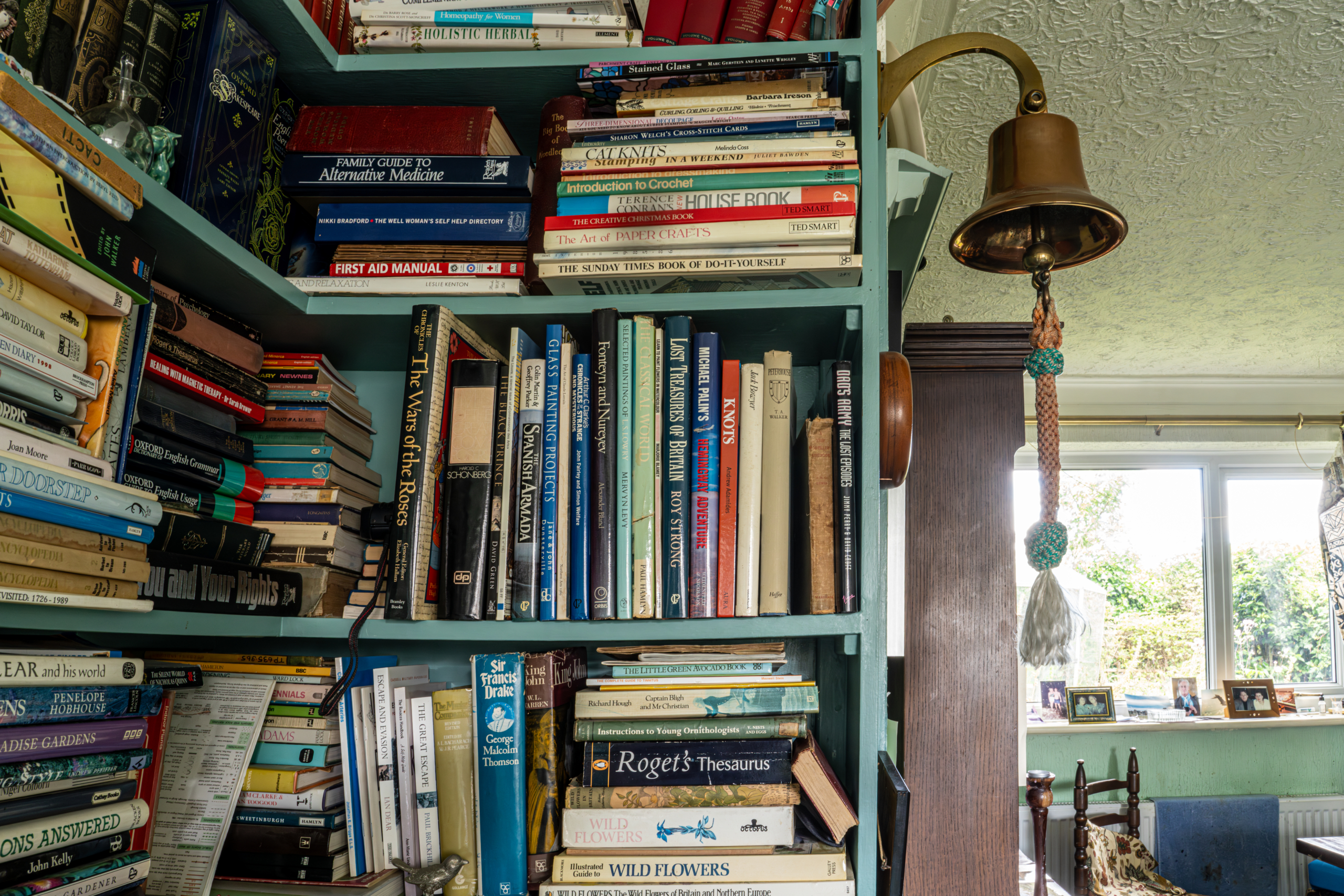
Professional learning community – a workshop in design foresight in Rotterdam

While I call this applied archaeology, it is not a one-way knowledge transfer. I have used the tools and techniques of design foresight in building the socio-cultural model that is the core of our book on Greece and Rome. Mike and I have made much of the pragmatics of project management that is design foresight in developing the principles of site-specific performance design.

In all this I am finding inspiration in collaboration with Connie Svabo and her Research Center for Science Education and Communication at SDU (Syddansk Universitet – University of Southern Denmark), with its mission to bring the arts and creativity to STEM education, connecting technology and experience design in education and training, in the academy and beyond. Drawing on science and technology studies, key concepts include scholartistry and research creation, creative pragmatics (the subject of a forthcoming book from Springer we are editing with Chunfang Zhou, Tamara Carleton and Jesper Simonsen) and eco-literacy, 360 degree understanding of complex adaptive living systems. This year a research team from SDU (with Tina Maria Brinks and Kean Najmeddini Gindesgaard) worked on the projects in experience design with Nissan and Aisin. We also helped a mediaX project run by Janet Carlson offer advice in the creation of a school in China centered upon design thinking and experiential learning.
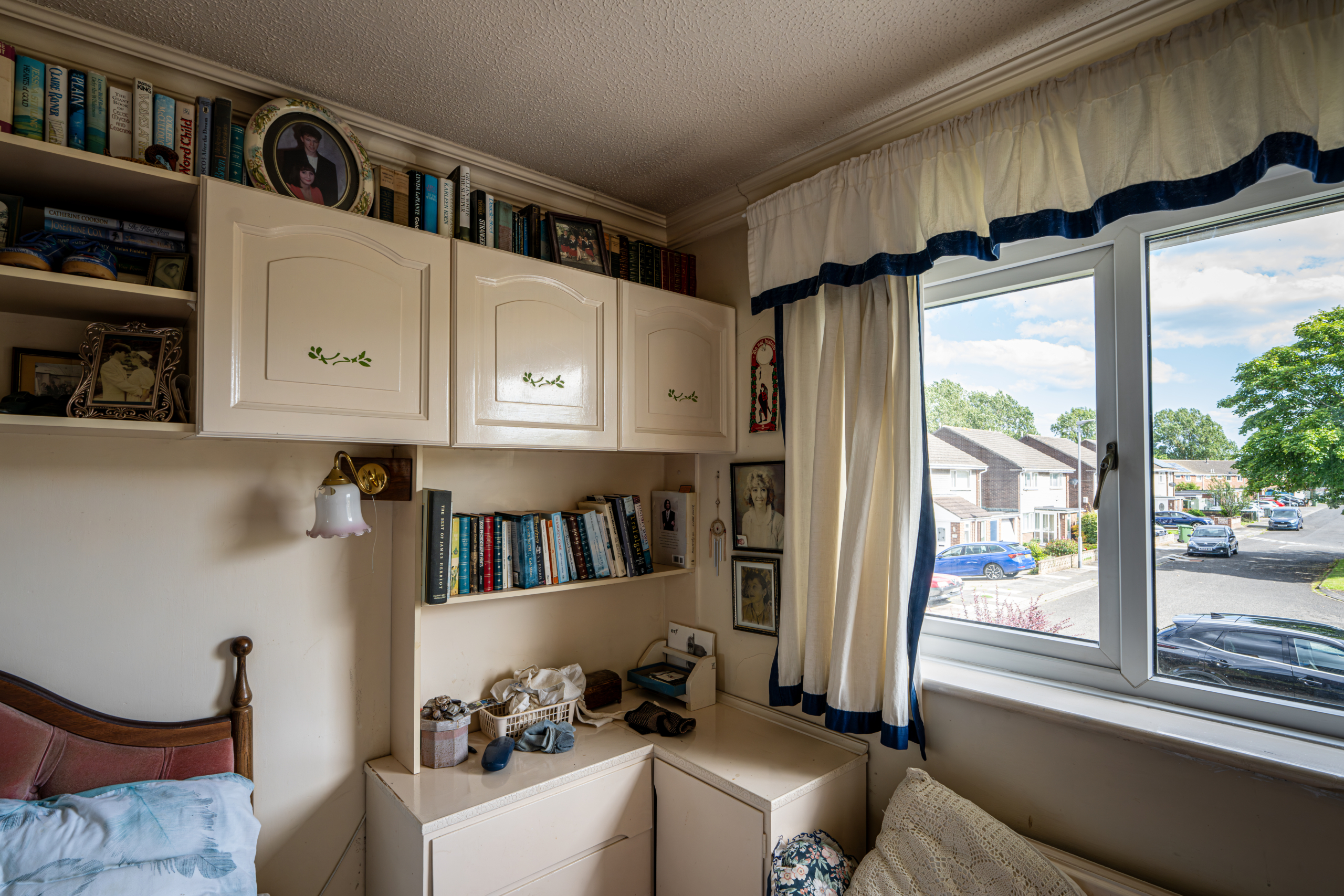

This work draws upon my long-standing commitment to student-centered pedagogy and project-based experiential learning, learning by making and doing, a commitment activated in these projects with University of Southern Denmark, Roskilde in Denmark (where I hold an honorary doctorate), going back beyond Stanford Humanities Lab, though Larry Leifer’s Learning Lab at Stanford, a precursor to H-Star, to learning programs in archaeology that we pioneered at University of Wales Lampeter back in the 90s, and indeed back to my work in the 80s to develop a new curriculum for high school Classics. My classes at Stanford continue to be a testing ground for such pedagogical practice. This last term of Fall 2022 I ran a new seminar in environmental aesthetics, exploring perceptions, experiences and engagement with the environment, surely a critical component of eco-literacy, of any sustainable environmental policy. 

Sophia Colello’s fabulous seminar project in environmental aesthetics – Ikebana meets the metaphysical principles of Zoroastrianism

Uniting research and learning, for we are all life-long learners, reaching beyond the academy, focusing on the needs and interests of learners, means we should surely endeavor to get to know our learning communities, whether they are associated with an academic institution or a corporate concern. The core of the design projects with corporate communities is deep ethnography of organizational culture. And this year I joining Ng Humanities House, an undergraduate residence at Stanford, as resident faculty. I am learning so much in the way of refreshing insights into these wonderful and talented young people. A personal mission – to do what I can to help them deal with the challenges that come with the legacy of the contemporary past.